
The Independent National Electoral Commission (INEC) has raised concerns over “unnecessary litigation” and leadership crises within Nigeria’s political parties, warning that these issues threaten the nation’s democratic consolidation.
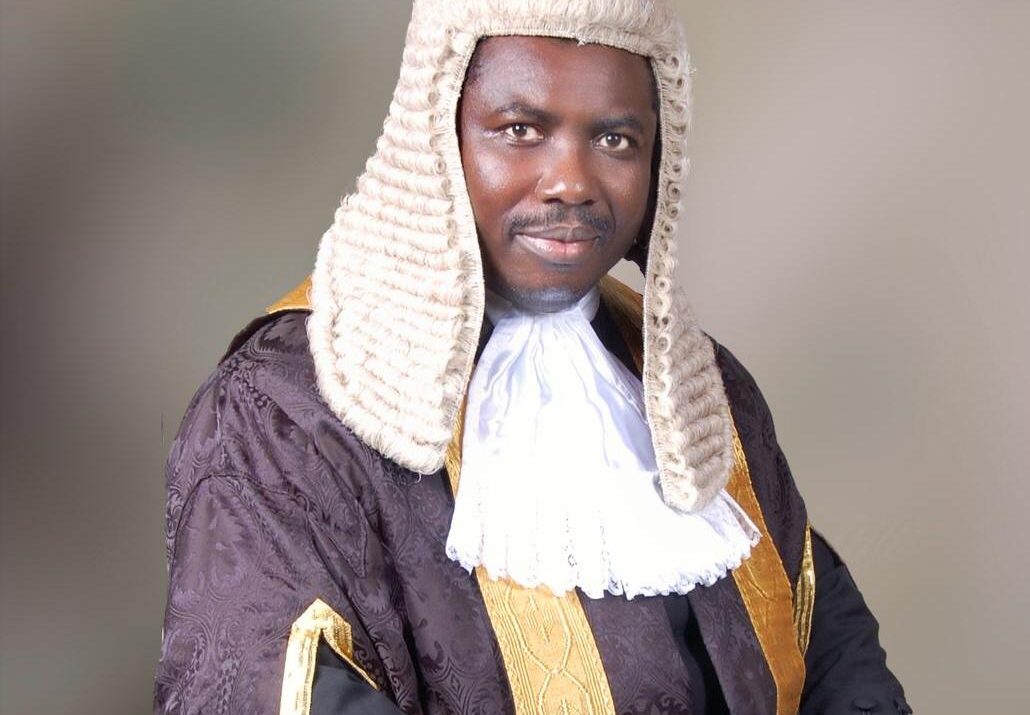
INEC Chairman Joash Amupitan, SAN, sounded the alarm on Wednesday at a Technical Workshop on the Revision of INEC Regulations and Guidelines for political parties, held in Ikot Ekpene, Akwa Ibom State. The event was organised in partnership with the Westminster Foundation for Democracy.
Leadership Squabbles Threaten Party Function
Amupitan lamented that instead of acting as engines of national transformation, political parties have increasingly become arenas of internal conflict. He highlighted that frequent leadership tussles have resulted in a surge of court cases, diverting INEC’s attention from its core election planning duties.
“Our collective commitment is being challenged by leadership squabbles and judicialised politics. In the last cycle alone, INEC was joined in scores of suits that could have been avoided by simple adherence to party constitutions,” he said.
He emphasised that internal democracy within parties directly affects the quality of elections, noting:
“Political parties in Nigeria face the crisis of internal democracy. Of grave concern is the quality of party primaries. As we move towards the primary window of April 23 to May 30, 2026, we must enforce a level playing field. Each day spent defending intra-party disputes is a day diverted from our primary mandate of election planning.”
Revising Regulations for Practical Impact
The workshop seeks to systematically analyse key provisions of the new Electoral Act 2026 and identify amendments needed to INEC’s existing Regulations and Guidelines for political parties.
Delivering a goodwill message, Westminster Foundation Country Director Adebowale Olorunmola stressed the importance of updating guidelines to bridge the gap between the letter of the law and the practical realities of party operations.
“The 2022 edition of the INEC Regulations and Guidelines served us well in the conduct of the 2023 general elections and other subsequent elections. However, current realities are no longer what they were four years ago. Today, we are tasked with ensuring that the 2026 Act is effectively implemented at party level,” he said.
Resident Electoral Commissioner for Akwa Ibom State, Obo Efanga, described the workshop as timely and strategic, noting that political party regulations govern registration, statutory compliance, administration, and monitoring of party activities — making the review crucial ahead of upcoming primaries and elections.