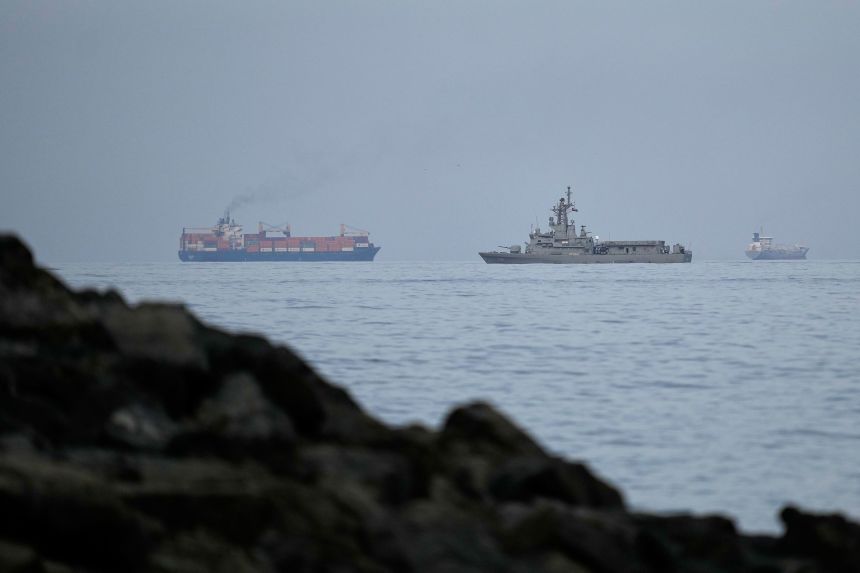
Tensions in the Gulf have surged after Iranian leadership warned it could take forceful control of the Strait of Hormuz, a vital global shipping route, escalating fears over energy security and international trade stability.
The warning comes amid shifting diplomatic dynamics following the postponement of peace talks in Islamabad and a reported extension of a ceasefire arrangement by US President Donald Trump, alongside continued restrictions affecting Iranian ports.
Tehran reacted strongly, describing the ongoing measures as “continued hostility” and accusing Washington of acting unilaterally despite what it views as a temporary ceasefire agreement.
State-linked Tasnim news agency quoted Iranian officials as saying the country would not relinquish control of the Strait of Hormuz and could “break the blockade by force if necessary,” intensifying concerns over possible military escalation in the region.
The Strait of Hormuz is one of the world’s most strategic maritime chokepoints, through which a significant portion of global oil shipments pass daily, making any disruption a major international concern.
Further heightening tensions, Mahdi Mohammadi, an Iranian national security analyst and adviser to Parliament Speaker Mohammad Bagher Ghalibaf, urged Tehran to take a more aggressive stance in response to the evolving situation.
In a post on X, Mohammadi dismissed the ceasefire extension as politically meaningless, arguing that it reflected pressure tactics rather than genuine diplomatic progress.
He claimed the continuation of restrictions amounted to sustained aggression and insisted Iran should respond militarily if necessary, framing the situation as one requiring decisive action.
Mohammadi also suggested the ceasefire could be a strategic delay designed to enable a surprise strike, warning that Iran should not remain passive under current conditions.
The comments reflect growing hardline sentiment within segments of Iran’s political and security establishment, even as international actors continue to call for restraint and renewed negotiations.
With both sides trading accusations and strategic positions hardening, concerns are mounting that the standoff could further destabilise one of the world’s most sensitive maritime corridors.