
BUA Chairman Abdul Samad Rabiu Becomes Africa’s Second Richest Man — Bloomberg
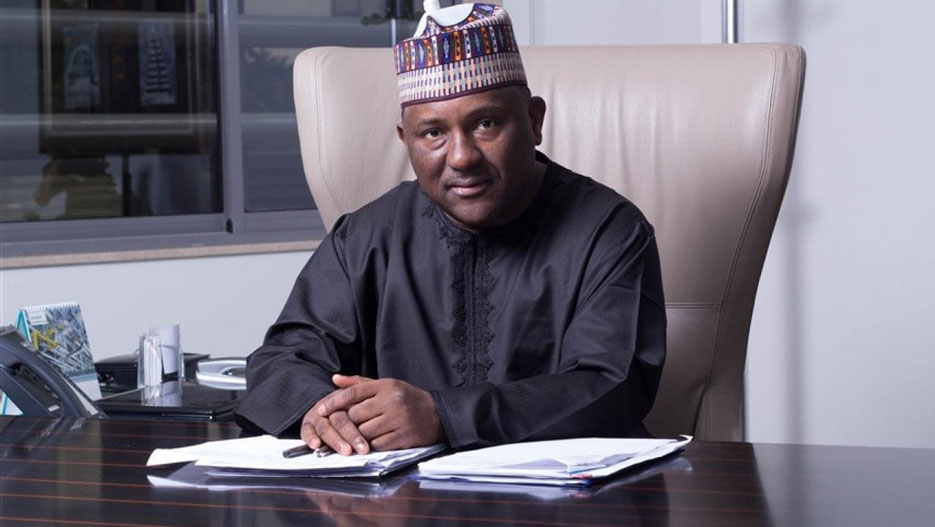
Nigerian industrialist Abdul Samad Rabiu has climbed to become Africa’s second-richest person following a massive surge in the market value of his business empire.
According to Bloomberg’s Billionaires Index as of May 7, 2026, the chairman of BUA Group now has an estimated net worth of $19.1 billion, placing him behind only Africa’s richest man, Aliko Dangote.
The latest ranking sees Rabiu overtake South African billionaire Johann Rupert, whose fortune reportedly declined to $17.7 billion during the same period.
Rabiu’s wealth has experienced remarkable growth this year, driven largely by strong performances from his publicly traded companies, BUA Cement and BUA Foods, both listed on the Nigerian Exchange (NGX).
Business Insider reported that the billionaire added approximately $8.88 billion to his fortune in 2026 alone, pushing his global billionaire ranking to 138th in the world.
BUA Group, founded by Rabiu, has grown into one of Nigeria’s largest industrial conglomerates with major investments in cement production, food processing, sugar refining, and infrastructure.
Its flagship subsidiary, BUA Cement, remains Nigeria’s second-largest cement producer and generated revenues of about ₦1.2 trillion in 2025.
BUA Foods, another key arm of the conglomerate, is currently Nigeria’s second-largest pasta producer and has become one of the strongest-performing consumer goods companies on the stock market.
The company’s financial performance in recent months played a major role in Rabiu’s wealth surge. Unaudited first-quarter results for 2026 showed that BUA Foods recorded a 14 percent increase in profit after tax, rising to ₦142.32 billion from ₦125.28 billion recorded during the same period last year.
Analysts say the strong earnings growth reflects improved operational efficiency, disciplined cost management, and sustained demand across the company’s food products.
Interestingly, the profit increase came despite an 11 percent decline in revenue to ₦394.6 billion — a development linked to moderated pricing, easing inflationary pressures, and relative foreign exchange stability.
Rabiu’s rapid rise in global wealth rankings further highlights the growing influence of Nigerian industrialists on Africa’s business landscape, particularly within manufacturing and consumer goods sectors.
His latest position also strengthens Nigeria’s dominance on the continent’s billionaire rankings, with both the first and second richest Africans now coming from the country.