
Nigeria Moves to Evacuate Citizens from South Africa as Xenophobic Attacks Escalate, Sparks Diplomatic Tension
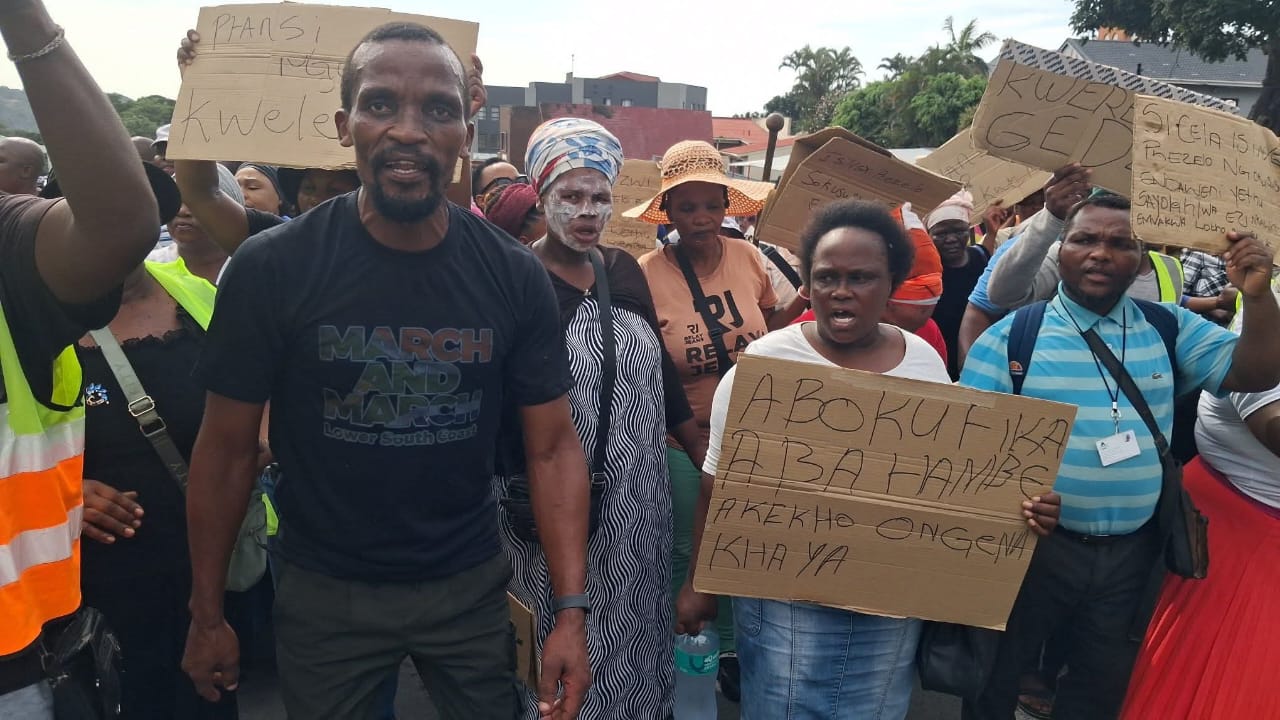
Nigeria has begun plans to evacuate its citizens from South Africa who wish to return home voluntarily, following rising concerns over renewed attacks targeting foreign nationals.
The move comes amid fears that growing anti-immigrant sentiment and recent violent incidents could further endanger Nigerian citizens and other African migrants living in the country.
Foreign Affairs Minister Bianca Odumegwu-Ojukwu confirmed that 130 Nigerians have already registered for voluntary repatriation, with expectations that more will join the evacuation process in the coming days.
She said the initiative reflects the concerns of President Bola Tinubu, who has expressed alarm over reports of violence, hate speech, and xenophobic rhetoric directed at foreigners in South Africa.
Nigeria has also summoned South Africa’s acting High Commissioner to address the situation directly, as diplomatic engagement intensifies between both countries.
A foreign ministry statement confirmed that Nigeria will formally present its “profound concern” at a scheduled meeting, warning that the situation could strain bilateral relations if not urgently addressed.
Discussions are expected to focus on recent anti-immigrant marches, as well as documented cases of attacks on Nigerian citizens and destruction of foreign-owned businesses.
Odumegwu-Ojukwu stressed that Nigeria would not tolerate continued threats to its nationals, noting that efforts are underway to compile data for organized evacuation flights.
She also referenced the killing of two Nigerians in separate incidents involving local security personnel, insisting that Abuja is demanding justice and accountability.
Reports from South Africa indicate that tensions remain high, with attacks also affecting other African nationals, including Ethiopian migrants in recent weeks.
Some residents say fear has disrupted daily life and business operations, forcing many migrants to shut down or scale back activities.
A Nigerian businessman, Peter Odike, told the BBC that insecurity has significantly affected livelihoods, with many foreigners unable to operate safely.
South African President Cyril Ramaphosa has condemned the attacks, while also urging foreign nationals to respect local laws amid growing tensions.
However, anti-immigrant groups continue to accuse foreigners of contributing to unemployment and crime, leading to protests and confrontations in several communities.
In some areas, reports suggest migrants have been stopped and asked to present identity documents, while foreign-owned businesses have been forced to close temporarily due to safety concerns.
South Africa, Africa’s most industrialised economy, hosts about 2.4 million migrants, though officials believe the actual number may be higher due to undocumented migration.
While many migrants come from neighbouring countries such as Zimbabwe, Mozambique, and Lesotho, Nigeria also has a significant diaspora community in the country.
The Nigerian government says it remains committed to protecting its citizens while pursuing diplomatic solutions to ease tensions and prevent further escalation.