
WHO Confirms Fatal Hantavirus Outbreak on Atlantic Cruise Ship as Death Toll Rises to Three
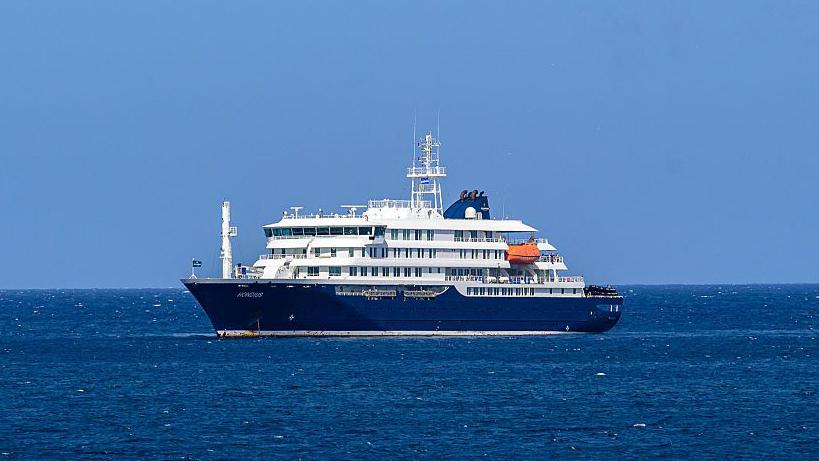
A suspected hantavirus outbreak aboard a cruise ship in the Atlantic Ocean has left three people dead, with health authorities confirming one case and investigating several others.
The World Health Organization (WHO) said the outbreak occurred on the MV Hondius, a vessel travelling from Argentina to Cape Verde, prompting urgent laboratory testing and ongoing epidemiological investigations.
Officials say five additional cases are currently under review, while the confirmed infection has intensified concerns over how the virus may have spread in a confined maritime environment.
The WHO noted that “detailed investigations” are ongoing, including further laboratory analysis to determine the source and scale of the outbreak.
Hantavirus is a group of viruses carried mainly by rodents and is typically transmitted to humans through inhalation of particles from contaminated droppings, urine, or saliva. In some cases, infection can also occur through bites or scratches.
Health experts warn that once rodent waste dries and becomes airborne, it can easily be inhaled in enclosed or poorly ventilated spaces, increasing the risk of infection.
The virus is known to cause two severe illnesses: Hantavirus Pulmonary Syndrome (HPS), which affects the lungs, and Haemorrhagic Fever with Renal Syndrome (HFRS), which impacts kidney function and can lead to internal bleeding and organ failure.
HPS often begins with flu-like symptoms such as fever, fatigue, and muscle pain, but can rapidly progress to respiratory distress. According to the US Centers for Disease Control and Prevention (CDC), the fatality rate for respiratory cases can reach about 38 percent.
Globally, hantavirus infections are considered rare but are not new. Health data estimates around 150,000 cases of HFRS occur annually, with a significant proportion reported in Asia, particularly China.
In the United States, 890 cases were recorded between 1993 and 2023, highlighting the virus’s low but persistent presence in certain regions.
There is currently no specific cure for hantavirus infections. Treatment is primarily supportive, including oxygen therapy, mechanical ventilation in severe cases, and intensive care monitoring for patients with respiratory or kidney complications.
Health authorities continue to stress prevention as the most effective defence, recommending strict rodent control measures, sealing entry points in buildings, and using protective equipment when cleaning contaminated areas.
The outbreak has also revived public concern over recent hantavirus-related deaths, including the February 2025 case of Betsy Arakawa, wife of actor Gene Hackman, who died from a respiratory illness linked to the virus after exposure in rodent-contaminated structures.
Investigations aboard the MV Hondius remain ongoing as health officials work to determine how the outbreak began and whether additional passengers may have been exposed.