
Orji Kalu: ‘I’ll Quit APC If Tinubu Ever Disrespects the Catholic Church’
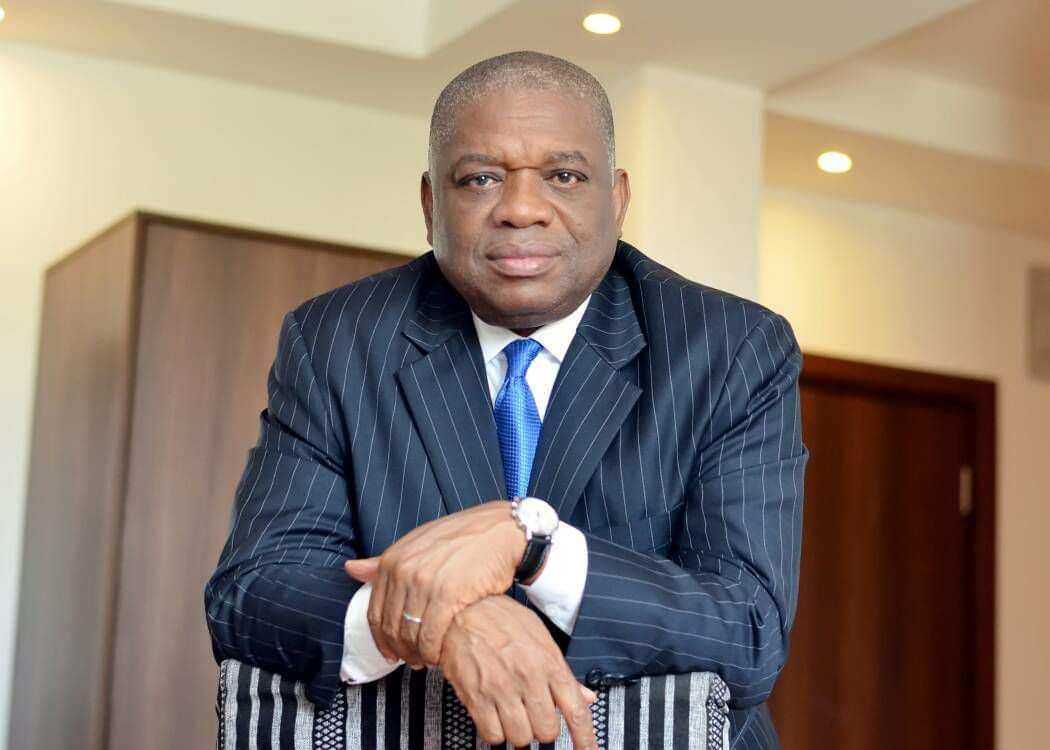
Senator Orji Uzor Kalu has declared that he would resign from the All Progressives Congress (APC) if President Bola Tinubu ever disrespects the Catholic Church, while defending the President over the controversy surrounding his recent meeting with Catholic bishops.
Speaking on Channels Television’s Politics Today on Wednesday, the senator representing Abia North dismissed claims that President Tinubu had shown disrespect to the Catholic Bishops’ Conference of Nigeria (CBCN) following their meeting at the Presidential Villa in Abuja.
The controversy began after the CBCN leadership, led by Archbishop Matthew Ndagoso, met with the President and expressed concerns over Nigeria’s economic hardship and worsening insecurity. Days later, Cardinal John Onaiyekan, former Archbishop of Abuja, suggested that Tinubu was displeased with the bishops’ remarks, while presidential adviser Daniel Bwala accused the Catholic Church of sympathising with the opposition.
Reacting to the debate, Kalu defended the role of Catholic bishops, describing them as the nation’s moral compass. He said the clerics had every right to speak honestly about the country’s challenges, regardless of who occupies the presidency.
“The Catholic bishops were right. If they had said anything less than what they said, they would no longer be the conscience of this country,” Kalu said.
The former Abia State governor also argued that comments made by presidential aides should not automatically be interpreted as President Tinubu’s personal position. According to him, the President has maintained a cordial relationship with the Catholic Church, adding that those working at the Presidential Villa do not always speak for him.
Kalu insisted there was no basis for calls demanding an apology from the Presidency, stressing that Tinubu had committed no offence against the Church. He added, “Any day President Tinubu disrespects the opposition, or the Catholic Church, I will resign from the APC.”
Beyond the Church controversy, the senator defended the Tinubu administration’s economic reforms, saying the country’s macroeconomic indicators were gradually improving. He pointed to stabilising exchange rates, easing fuel prices and growing investor confidence as signs of progress, while admitting that many Nigerians were yet to feel the benefits.
Kalu acknowledged that insecurity remains a major obstacle to economic recovery, arguing that improved security would allow farmers to return to their communities and help reduce food inflation. Looking ahead to the 2027 general election, he expressed confidence that President Tinubu would secure re-election, insisting the opposition remains too divided to mount a serious challenge against the APC.