
Kenyan Court Sentences Doomsday Cult Leader Paul Mackenzie to 200 Years in Prison Over 191 Deaths
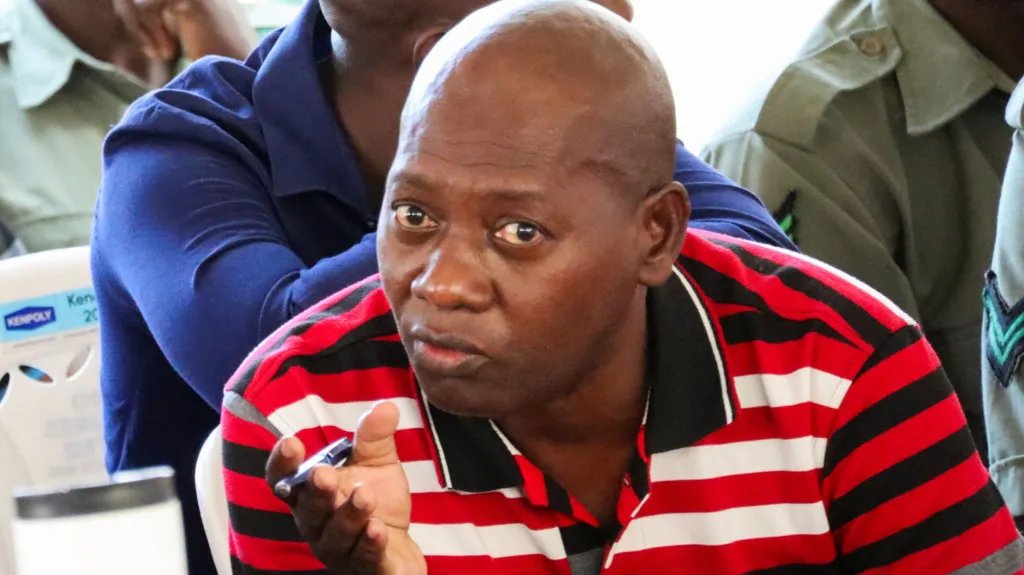
A Kenyan court has sentenced doomsday cult leader Paul Mackenzie to 200 years in prison for his role in the deaths of 191 people, most of them children, in one of the country’s deadliest religious cult tragedies.
Mackenzie was convicted alongside 28 others after the court found that they participated in a scheme that involved ordering followers to starve themselves and their children to death in the belief that they would meet Jesus.
Justice Diana Mochache, who delivered the sentence, said Mackenzie bore the primary criminal responsibility for directing his followers to undertake the deadly fasting.
She described the punishment as appropriate, saying it was intended to send a clear message that such atrocities deserved the maximum penalties permitted by law.
Mackenzie received 100 years in prison for homicide and another 100 years for offences connected to starvation. Although the sentences within each category will run concurrently, the two categories will run consecutively, resulting in a total prison term of 200 years.
The court also sentenced his 28 co-defendants to varying prison terms of up to 160 years. They included individuals accused of enforcing the fasting orders and helping to bury victims in mass graves.
Prosecutors had requested the death penalty, arguing that the scale and circumstances of the killings justified capital punishment. However, Justice Mochache declined to impose it, despite acknowledging that the case met the threshold for considering the sentence.
She said imposing the death penalty would eliminate the possibility of rehabilitation and disengagement from the beliefs associated with the crimes.
Mackenzie was arrested in 2023 after authorities discovered mass graves in Shakahola Forest near Kenya’s coastal region. More than 400 bodies were eventually exhumed from the area, attracting international attention and prompting widespread outrage across Kenya.
The 191 deaths covered by the latest convictions involved a group of victims whose deaths the court linked to the organised fasting system. According to the prosecution’s findings, most died from starvation, while others suffered suffocation, strangulation or fatal head injuries.
The court heard that Mackenzie’s followers regarded him as a messenger of Jesus. Justice Mochache also described how those who resisted the fasting instructions were allegedly beaten, while burials in the forest were presented as celebrations of followers’ union with Jesus.
Mackenzie established Good News International Ministries in 2003, building a following through church branches and a television station that broadcast his sermons. His teachings reportedly portrayed formal education, healthcare and digital identity cards as contrary to religious doctrine.
After the church’s main operations closed in 2019, Mackenzie moved to Shakahola Forest and encouraged followers to join him there.
The case has also raised questions about the response of Kenyan authorities to the cult’s activities. Investigations by the Kenya National Commission on Human Rights reportedly found that local administrators and law enforcement officials had repeatedly failed to act on warning signs.
Francis Wanje, who lost eight relatives, including two grandchildren, in the tragedy, said he had reported the situation to police in March 2023 and hoped the court would impose a sentence reflecting the scale of the crimes.
Mackenzie and his co-defendants had pleaded not guilty before their conviction on October 19, repeatedly maintaining that nobody had been forced to die. The cult leader also faces separate manslaughter and terrorism charges, which he denies.
Although the latest convictions represent a significant development in the Shakahola investigation, they account for only 191 victims, while more than 400 bodies were recovered from the forest.