
Obi, Kwankwaso’s Exit Rocks ADC Coalition as Party Admits Setback Ahead of 2027 Race
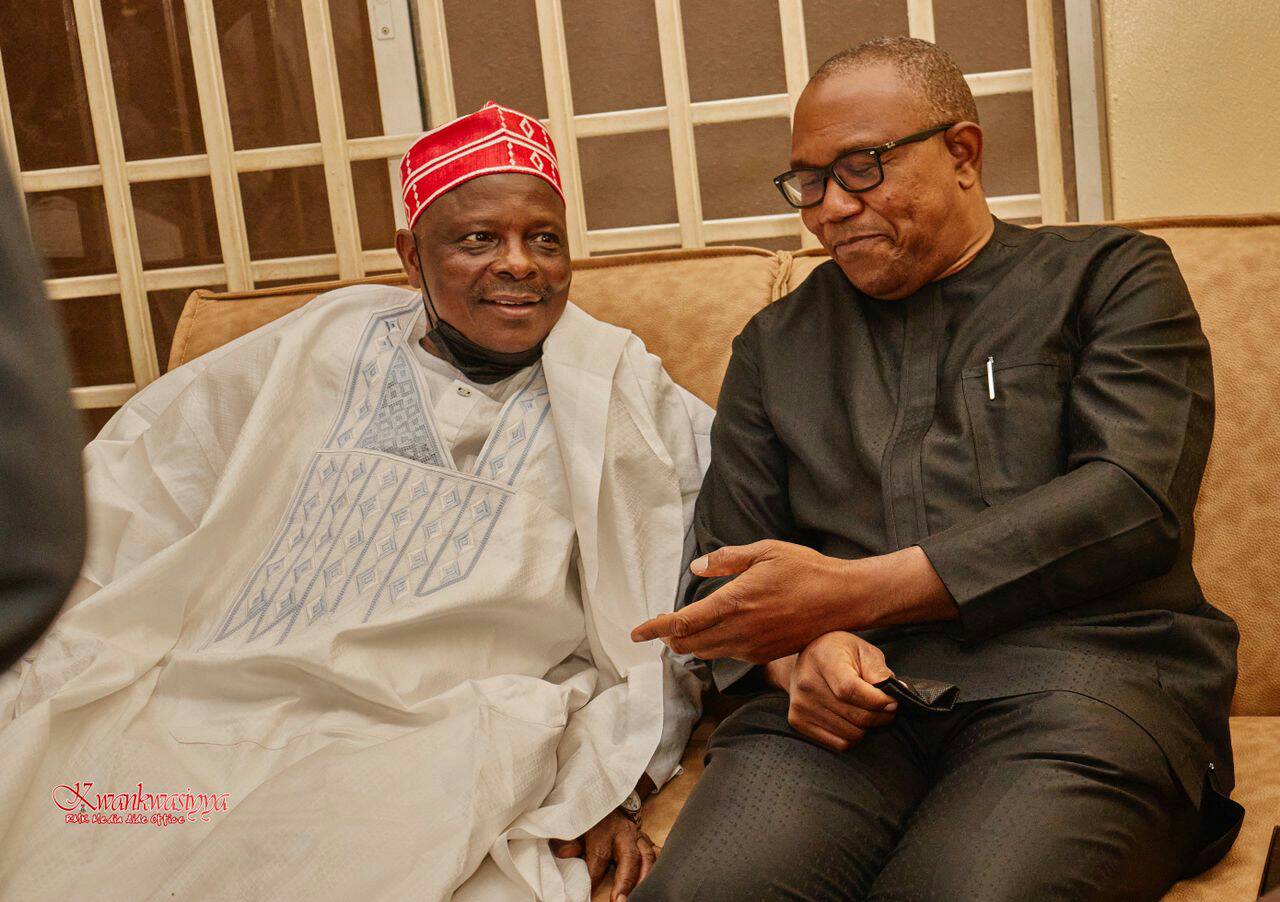
Nigeria’s opposition landscape has been thrown into fresh uncertainty following the exit of former presidential candidates Peter Obi and Rabiu Kwankwaso from the African Democratic Congress (ADC), a move that has triggered internal debate over the party’s strength ahead of the 2027 general elections.
The ADC has acknowledged the political weight of their departure but insists the development will not derail its long-term ambitions. Party spokesman Bolaji Abdullahi said the exit represents a setback, but not a collapse of the coalition’s structure or vision.
Speaking during a television interview, Abdullahi admitted that losing two high-profile politicians naturally affects the party’s momentum. However, he stressed that the ADC remains focused on building a viable opposition platform capable of challenging President Bola Ahmed Tinubu in 2027.
He also revealed that the coalition’s earlier plan to present a unified opposition candidate has been disrupted by the development, signaling early cracks in efforts to consolidate anti-government forces.
Obi and Kwankwaso reportedly moved from the ADC to the Nigeria Democratic Congress (NDC) just days ago, a shift Abdullahi described as premeditated rather than spontaneous.
According to him, Obi’s engagement with the ADC was not fully rooted in party-building efforts, suggesting instead that the former Anambra governor viewed the platform as a potential electoral vehicle for his presidential ambitions.
Abdullahi dismissed Obi’s explanation that internal legal disputes influenced his decision to leave, arguing that the issues cited were either overstated or not sufficient to justify the exit.
He pointed to ongoing court cases involving leadership and internal party disputes but insisted they were not severe enough to destabilise the party’s operations or direction.
The ADC spokesman also rejected claims that the party’s internal structure was biased toward specific aspirants, stating that no presidential hopeful had been given preferential treatment within the organisation.
He argued that Obi himself had benefited from internal arrangements, referencing key roles occupied by his associates within the party’s structure.
Despite the controversy, Abdullahi maintained that the ADC would not treat the departing politicians as adversaries, saying the party remains open to political engagement rather than confrontation.
He further downplayed the electoral impact of the exits, questioning assumptions that previous vote strength automatically guarantees future dominance in Nigeria’s evolving political environment.
Meanwhile, Senator Victor Umeh, who also left the ADC for the NDC alongside Obi, defended the move, citing unresolved internal conflicts and leadership struggles within the party.
Umeh said the ADC lacked the cohesion needed to conduct a credible internal primary process, describing ongoing disagreements among aspirants as a major obstacle to stability.
He contrasted this with the NDC, which he described as more structured and stable, pointing to its leadership under former Bayelsa State Governor Seriake Dickson as a key factor in his decision.
Dickson, on his part, moved to counter claims questioning the legitimacy of the NDC, releasing documentation from the Independent National Electoral Commission (INEC) to support the party’s registration process.
He dismissed criticisms of the party’s legal standing as misinformation, insisting that the NDC has followed due process since its initial application years ago.
As realignments continue, Nigeria’s opposition bloc appears increasingly fragmented, with analysts suggesting that the latest defections could reshape early calculations ahead of the 2027 elections.