
Imo Kidnapping Crisis Deepens as Killings Turn Brutal, Raising Fears of Social Breakdown
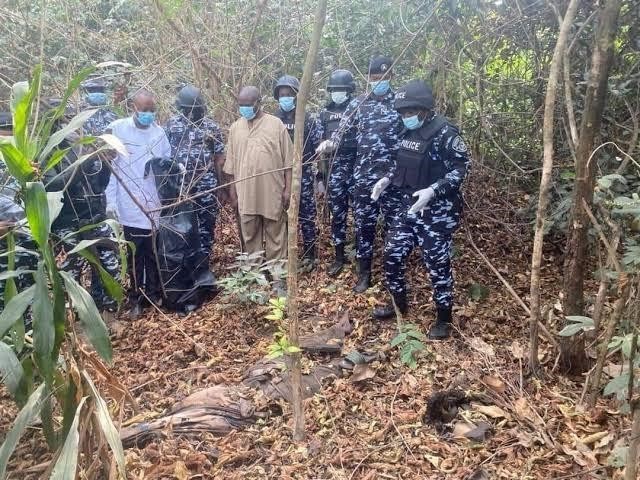
A wave of violent kidnappings in Imo State is taking a darker turn, with victims increasingly killed and their bodies burned — a pattern now raising urgent questions about security, justice, and the survival of community life.
The 2023 murder of traditional ruler Chief Victor Ijioma remains one of the most chilling examples. Gunmen ambushed him at Umuamaka Junction in Izombe, shot him inside his vehicle, and set both his body and car ablaze — a calculated act that erased critical evidence and shocked residents across the state.
Recent incidents suggest the trend is far from isolated. A student of the Federal University of Technology, Owerri was abducted after the motorcyclist transporting her was killed, reinforcing fears that kidnappings are no longer driven solely by ransom but increasingly end in fatal violence.
Imo State’s legal framework appears tough on paper. The Imo State Prohibition of Hostage Taking and Related Offences Law of 2009 prescribes the death penalty for kidnappers and even those who aid them. The law was designed as a strong deterrent, but critics argue it may be producing unintended consequences.
Human rights organisations, including Amnesty International, have long warned that capital punishment in kidnapping cases could push perpetrators to eliminate victims and witnesses entirely, knowing the penalty remains the same. The growing pattern of executions and burned bodies is now fuelling debate over whether that warning is becoming reality.
Enforcement remains another weak link. Despite investigations and occasional rescue operations — such as recent efforts in Ohaji Local Government Area — many perpetrators continue to evade arrest. The destruction of evidence through burning further complicates forensic analysis, making prosecution more difficult and reducing the chances of justice for victims.
Beyond the violence, the impact on Imo’s social fabric is severe. Traditional leaders, like the late Ijioma, play key roles in conflict resolution and cultural stability. Their targeted killings create leadership gaps, leaving communities vulnerable and increasingly distrustful.
Fear is reshaping daily life. Residents are limiting movement, economic activities are slowing, and entire communities are retreating inward. Farmers and traders are avoiding key routes, while businesses struggle under the weight of insecurity and uncertainty.
The breakdown is also psychological. In some cases, communities have resorted to mob justice, lynching suspected criminals in retaliation — a dangerous shift that weakens the rule of law and fuels further violence.
Security experts argue that a purely punitive approach is no longer enough. They point to the need for intelligence-driven policing, faster judicial processes, and deeper community engagement to rebuild trust. Addressing unemployment and poverty, particularly among young people, is also seen as critical to breaking the cycle of crime.
With pressure mounting on Governor Hope Uzodimma’s administration, the challenge is no longer just about stopping kidnappers — it is about preventing a wider collapse of public confidence and restoring a sense of safety across Imo State.