
Nigeria Moves Closer to State Police as IGP Olatunji Disu Inaugurates Reform Committee
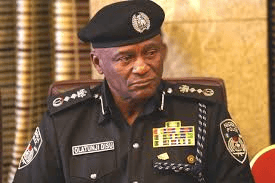
Nigeria has taken a decisive step toward restructuring its internal security system as the Inspector-General of Police, Olatunji Rilwan Disu, inaugurated a high-level Committee on State Policing in Abuja.
Describing the assignment as “significant and timely,” the police chief said the country’s changing security landscape demands bold reforms and strategic collaboration to make law enforcement more responsive to local realities.
“Nigeria’s evolving security challenges require innovative thinking, strategic collaboration and bold reforms to make policing more responsive to local realities,” Disu stated during the inauguration ceremony.
Framework Without Weakening National Security
The newly formed committee has been tasked with developing a practical framework for state policing that strengthens grassroots security without undermining Nigeria’s central security architecture.
According to the IGP, members will:
- Review policing models within and outside Nigeria
- Assess community-specific security needs
- Identify potential risks
- Propose an operational structure for coordination between federal and state systems
Key issues such as recruitment procedures, training standards, funding mechanisms, accountability structures and oversight safeguards will also be examined to ensure professionalism and sustain public trust.
“If properly designed and implemented, state policing could bring law enforcement closer to the people, enhance local knowledge of security dynamics, and enable quicker responses to emerging threats within communities,” Disu added.
“Synergy, Not Competition”
The police chief stressed that decentralising certain responsibilities would allow state governments to respond more effectively to local threats, while the Federal Government maintains focus on national priorities.
“The vision we seek is one of synergy, not competition; partnership, not duplication,” he said, urging committee members to approach the task with diligence and patriotism.
The committee, chaired by Prof. Olu Ogunsakin, has four weeks to submit its report. Members include CP Emmanuel Ojukwu (Rtd), CP Bode Ojajuni, DCP Okebuchi Ogora, ACP Ikechukwu Okafor, CSP Tolulope Ipinmisho and others.
Governors’ Control Concerns Addressed
Amid longstanding fears that state police structures could be politicised by governors, Disu assured Nigerians that such concerns would be carefully considered. He noted that Nigeria would draw lessons from countries already operating decentralised policing systems.
Uncertainty Over Senior Officers’ Status
Meanwhile, senior officers of the Nigeria Police Force, including Deputy Inspectors-General who served under former IGP Olukayode Adeolu Egbetokun, attended a strategic meeting convened by Disu in Abuja.
Among those present were DIGs Frank Mba, Sadiq Abubakar, Basil Idgwu, Bzigu Kwazhi, Gumel, Fayoade and Adeola Hamzat.
The Police Service Commission is yet to make a formal decision on the status of these senior officers, many of whom outrank the new IGP. By longstanding tradition within the Force, officers senior to a newly appointed IGP are expected to retire.
As of the time of the meeting, however, no official retirement announcement had been made — leaving uncertainty hanging over the top hierarchy of the police command.
Nigeria’s renewed push toward state policing marks one of the most consequential security reform efforts in recent years, with implications for federalism, governance and grassroots security nationwide.