
Senate Sounds Alarm Over Deadly North-East Attacks, Orders Military Audit and Urgent Security Overhaul
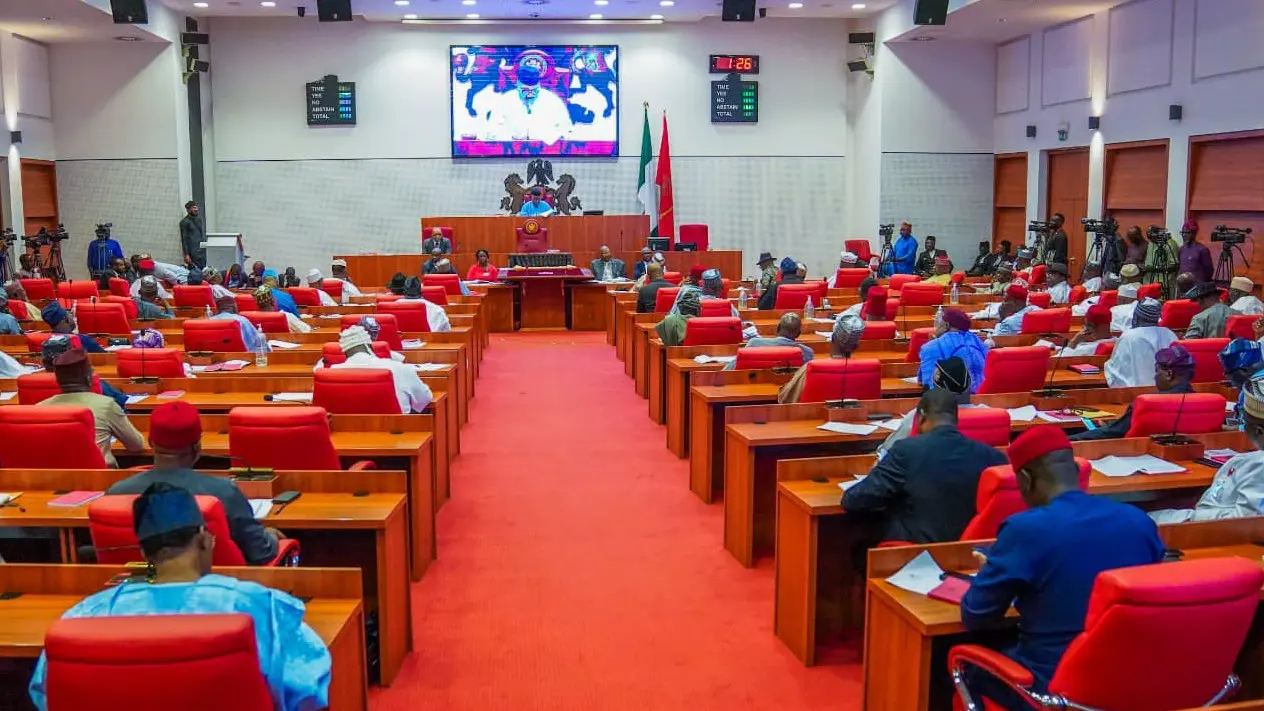
Nigeria’s Senate has issued a stark warning over rising casualties from renewed terror attacks in the North-East, pressing the military to act fast and decisively to stop the growing assaults on its formations.
Lawmakers condemned the recent attacks on military bases in Monguno and Benisheikh, describing them as a dangerous escalation. In a solemn moment, the chamber observed a minute of silence for fallen soldiers and civilians caught in the violence.
At the centre of the Senate’s response is a directive to the Chief of Defence Staff and service chiefs to carry out a full operational and logistical audit of the incidents. The review is expected to examine equipment gaps, troop readiness and rules of engagement, with the aim of closing vulnerabilities exposed by the attacks.
Beyond battlefield strategy, the Senate stressed the need for stricter compliance with international humanitarian law. Lawmakers called for improved training on civilian protection and demanded thorough investigations into any claims of civilian harm, warning that accountability is critical to maintaining public trust.
Communities in affected areas were also urged to play a more active role. The Senate emphasised that timely intelligence from residents remains a key factor in counter-insurgency efforts, particularly in regions where insurgents are adapting their tactics.
Humanitarian concerns featured prominently in the debate. Federal agencies, including the Ministry of Humanitarian Affairs, NEMA and regional development commissions, were directed to deliver urgent relief to victims and displaced persons across Niger, Kwara, Borno and neighbouring states.
The chamber praised troops under Operation Hadin Kai for their resilience but insisted that more must be done to support them. Lawmakers urged the Federal Government to prioritise troop welfare, provide better equipment and boost morale. They also demanded intensified efforts to rescue 416 women, elderly individuals and children reportedly held captive in Borno South since early March.
Leading the debate, Senator Mohammed Tahir Monguno warned that the attacks reflect a deliberate strategy by insurgents to weaken military operations and disrupt key supply routes, particularly along the Damaturu–Maiduguri corridor. He noted that repeated strikes on strategic locations highlight the need for urgent operational reassessment.
Concerns extended beyond the North-East. Lawmakers warned that continued attacks on both military facilities and civilian communities could reverse gains made in the fight against insurgency, threatening national security, food production and the resettlement of displaced populations.
Some senators pushed for more drastic measures. Abdul Ningi proposed a temporary suspension of political activities in violence-prone states, arguing that security must take priority. Others, including Abba Moro, called for deeper legislative oversight and a more coordinated, intelligence-driven response to restore stability.
The Senate also turned its attention to escalating violence in Benue State, urging security chiefs to intensify operations and bring perpetrators to justice. It called for new security formations in vulnerable areas and demanded long-term solutions to farmer-herder conflicts, including ranching policies and land reforms.
Deputy Senate President Barau Jibrin acknowledged the scale of the crisis but noted that the threat is part of a broader regional challenge affecting several West African countries. He assured lawmakers that the Federal Government is working to strengthen military capacity through increased funding and improved logistics.
Despite those assurances, the Senate’s message was clear: without urgent action, the resurgence of attacks risks deepening insecurity, undermining public confidence and destabilising already fragile communities.