
2027 Elections: South-East Votes by Conscience, Not Defections — Nwodo Tells Governors Backing APC
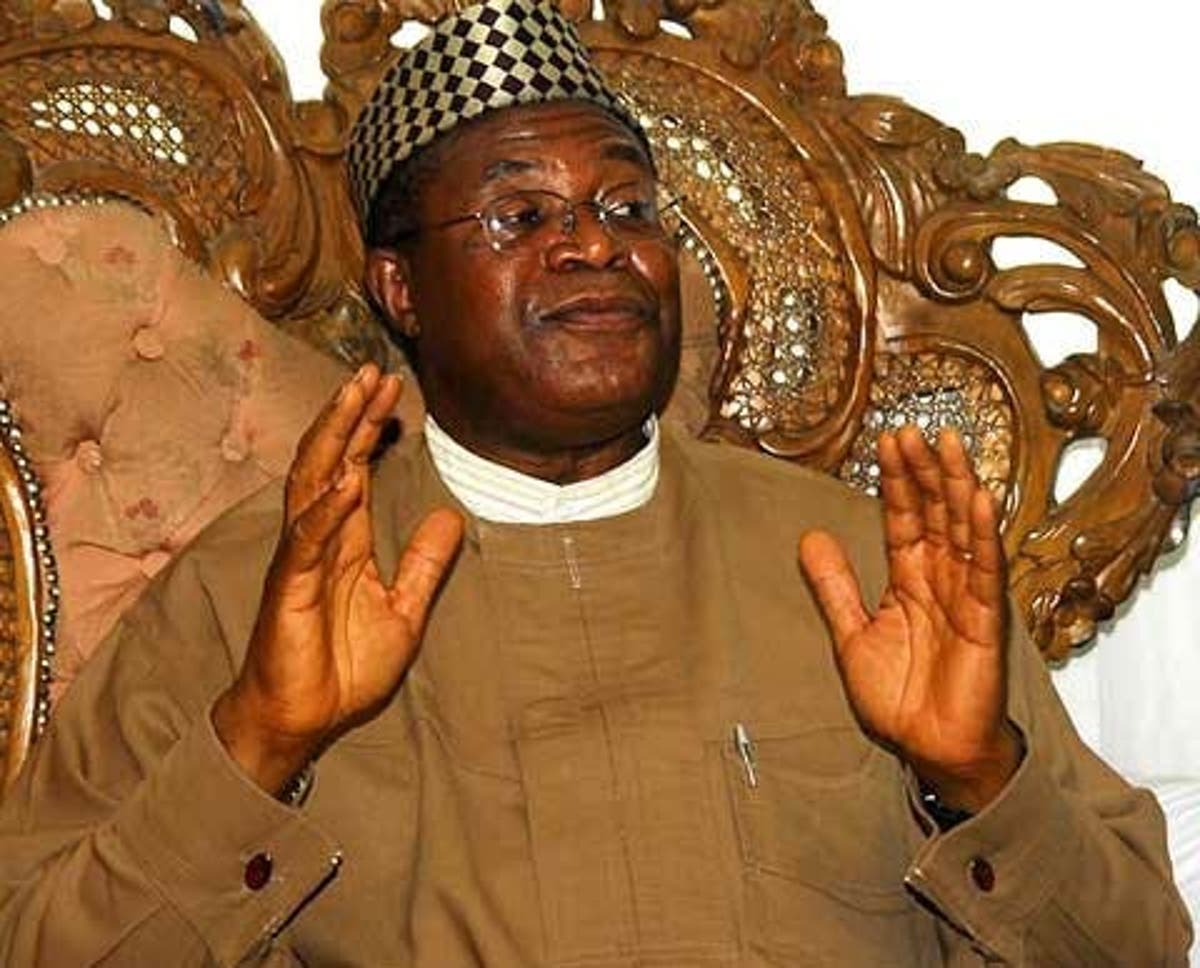
Former Enugu State Governor Okwesilieze Nwodo has dismissed growing declarations of support for the ruling All Progressives Congress (APC) in the South-East, insisting that voters in the region will decide the 2027 general election based on conscience, not political defections.
Nwodo made the remarks during an interview on Arise News on Monday, amid a wave of high-profile defections by South-East politicians to the APC and public endorsements of President Bola Tinubu’s re-election bid.
According to the former governor, elite political alignment does not translate into electoral control in the South-East, where voters have developed a strong culture of independent decision-making.
“The people of the South-East cannot be swayed by what leaders of thought or influential politicians choose to do,” Nwodo said, stressing that electoral outcomes in the region are driven by conviction rather than directives.
He was responding to questions on why some political leaders from the zone are not backing former Anambra State Governor Peter Obi, who remains a key opposition figure following the 2023 presidential election.
Nwodo said he would not speak for politicians who have chosen to support President Tinubu, but clarified that his party, the African Democratic Congress (ADC), is focused on interrogating governance and policy delivery.
“Our approach is to engage the president and his party on their policies, the effectiveness of implementation, and promises made to Nigerians,” he said. “We want Nigerians to compare that with the alternatives being offered by Peter Obi.”
The former governor questioned the rationale behind the mass movement of governors into the APC, noting that similar defections are occurring across the country.
“Many Nigerians are asking what exactly is attracting governors to the APC,” he said. “We don’t see it in the structure of the party, and we don’t see it in the performance of the central government.”
Nwodo also warned against what he described as a creeping drift towards a one-party state, arguing that the trend is not being driven by ideology or proven governance success, but by reasons that remain unclear to the public.
While acknowledging that governors have a constitutional right to defect, he maintained that such decisions do not necessarily reflect the will of the electorate.
Reflecting on the 2023 presidential election, Nwodo said the South-East had already demonstrated its independence by overwhelmingly supporting Peter Obi, despite resistance from some sitting governors.
He recalled how several incumbents failed to deliver their states — or even secure their own senatorial ambitions — due to the surge of support for the Obedient Movement.
With economic hardship worsening nationwide, Nwodo predicted that voter sentiment in 2027 could be even more decisive.
“People are living in poverty, and it is increasing at an alarming rate,” he said, suggesting that growing hardship could trigger a stronger protest vote across the South-East and beyond.