
Wike Defends Tinubu’s Economic Reforms, Says Fuel Subsidy Removal Was a Bold Decision
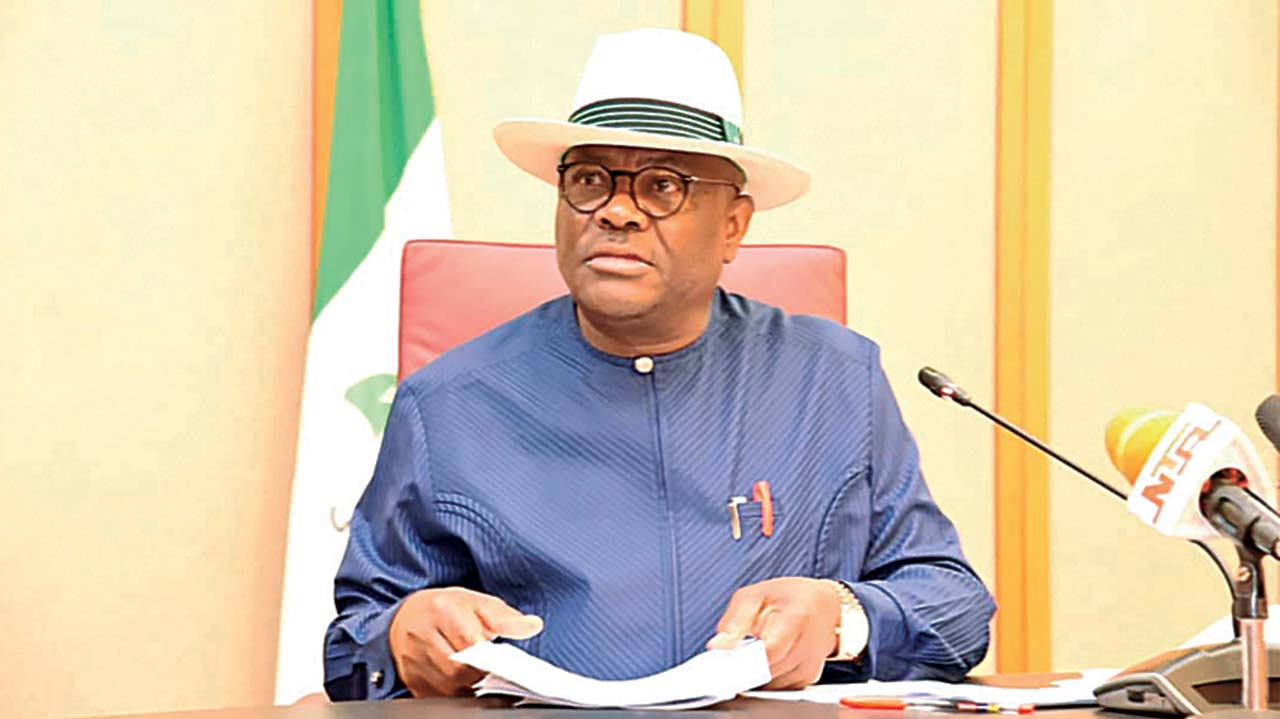
Federal Capital Territory (FCT) Minister, Nyesom Wike, has defended President Bola Tinubu’s economic reforms, saying the removal of the petrol subsidy was one of the boldest policy decisions taken by any Nigerian leader in recent decades.
Speaking during his monthly media briefing in Abuja on Tuesday, Wike acknowledged that the reforms had brought short-term hardship to many Nigerians but insisted they had strengthened the finances of state governments and created more room for development spending.
According to the minister, President Tinubu demonstrated the political courage that previous administrations lacked by implementing reforms many leaders had long admitted were necessary but avoided for political reasons.
“Asiwaju is the only person we have now. He has not done everything, and nobody says he has, but he has shown the courage to take decisions others refused to take. Give him credit for that,” Wike said.
The former Rivers State governor argued that Nigeria’s economic challenges were built up over many years and could not be reversed within a short period. He urged Nigerians to be patient, saying meaningful reforms require time before their full benefits become visible.
Wike described the former fuel subsidy regime as financially unsustainable, recalling that during his time as governor, many state governments struggled with declining federal allocations and were often forced to obtain bank loans just to pay workers’ salaries.
He maintained that the removal of the subsidy has significantly increased allocations from the Federation Account Allocation Committee (FAAC), allowing states to pay salaries and pensions more consistently while investing more in infrastructure projects.
“The fuel subsidy consumed over ₦3 trillion at a time. Today, states receive more money. Pensioners are being paid, governors no longer queue before bank managers to borrow money just to pay salaries, and there are more resources for infrastructure,” he said.
Wike added that leadership is defined by the willingness to make difficult decisions in the national interest, even when such policies attract public criticism. He insisted that while no policy is perfect, President Tinubu deserved recognition for taking responsibility where previous governments hesitated.
The remarks come as debate continues over the impact of the fuel subsidy removal, with supporters pointing to improved government revenues and critics highlighting the rising cost of living and persistent inflation affecting households across the country.