
2027 Elections: Peter Obi predicts credible polls as Hashim attacks INEC timetable, Tinubu camp reveals Atiku outreach
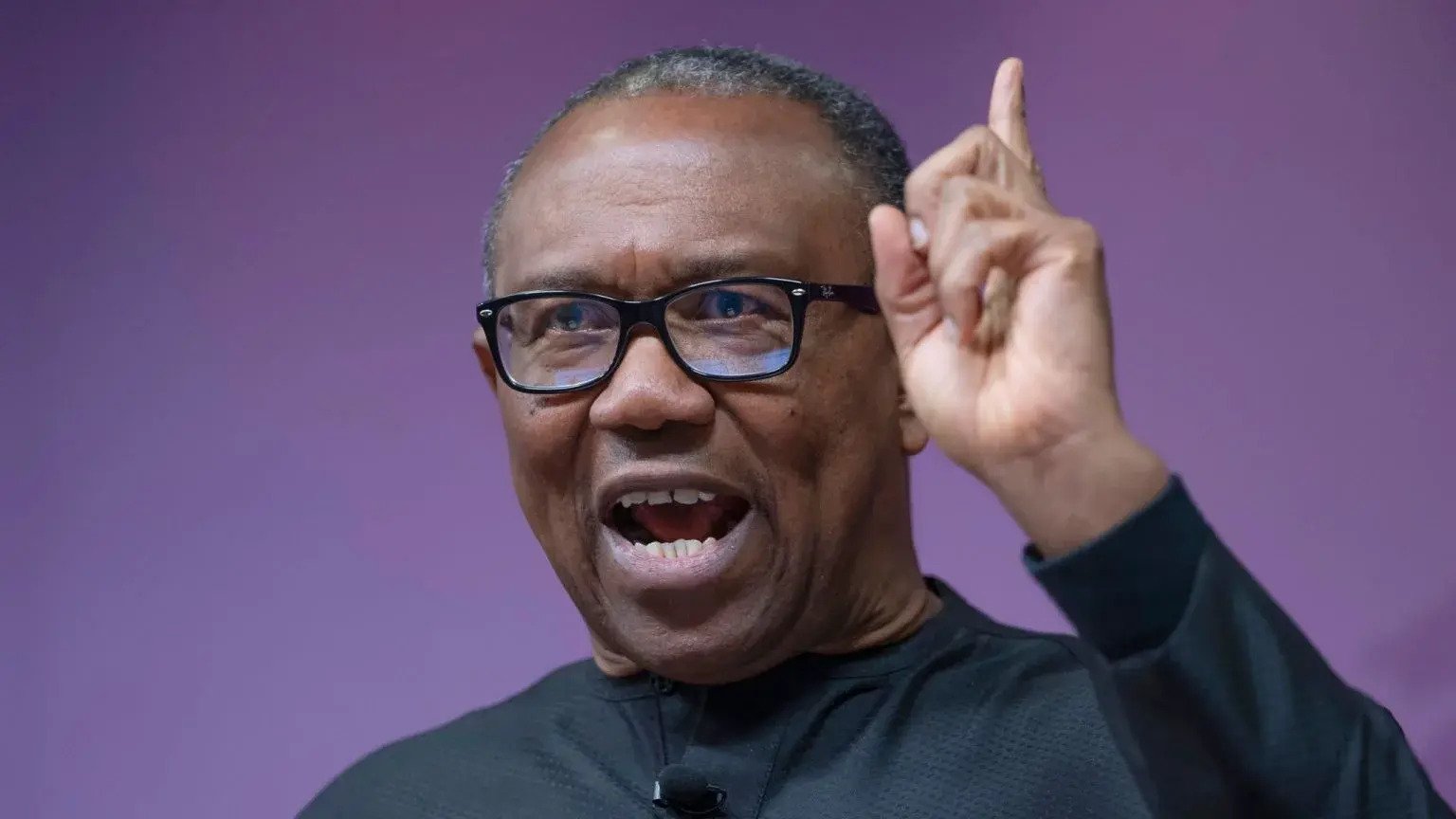
Political activities ahead of Nigeria’s 2027 general elections are beginning to intensify, with former presidential candidates Peter Obi and Gbenga Olawepo-Hashim raising fresh concerns over governance, electoral credibility and tensions within the political system.
Peter Obi expressed confidence that Nigerians would witness free, fair and credible elections in 2027, insisting that the country’s worsening hardship was the result of years of corruption and poor leadership rather than a lack of resources. Speaking at the national convention of the Nigeria Democratic Congress (NDC), Obi said Nigeria had been “looted into poverty” despite its enormous economic potential.
The former Labour Party presidential candidate painted a grim picture of the nation’s economy, citing rising poverty, unemployment and insecurity across the country. According to him, more than 140 million Nigerians are trapped in multidimensional poverty, while over 80 million youths remain unemployed or underemployed. He argued that Nigeria must urgently shift from a consumption-driven economy to one focused on production and job creation.
Obi also dismissed fears that the 2027 elections could be manipulated, declaring that Nigerians would have the freedom to choose their leaders. “Those who think we will not have free and fair elections in 2027 should rethink now,” he said, adding that accountable leadership remains key to national recovery.
Defending his decision to join the NDC, Obi said his political choices have always been guided by principle rather than convenience. Quoting former British Prime Minister Winston Churchill, he stressed that his alliance with the party was aimed at working with leaders committed to rebuilding Nigeria ahead of the next elections.
Meanwhile, former presidential candidate Gbenga Olawepo-Hashim criticised the timetable released by the Independent National Electoral Commission (INEC), describing it as unlawful, impractical and capable of creating unnecessary political tension. He warned that the compressed schedule could destabilise political parties ahead of the 2027 polls.
Hashim argued that the timetable does not provide enough time for political parties to conduct credible primaries and internal democratic processes. He also faulted INEC for scheduling politically sensitive activities around religious periods such as Hajj and Ileya, warning that combining political primaries with major religious events could worsen security and logistical challenges across the country.
The debate around 2027 politics also widened after Presidential Adviser Daniel Bwala claimed President Bola Tinubu made attempts to engage opposition leaders shortly after assuming office. Speaking during a television interview, Bwala alleged that emissaries sent to former Vice President Atiku Abubakar were denied access to his residence. He added that Tinubu also maintained communication with other opposition figures, including former Kano State governor Rabiu Musa Kwankwaso.
Atiku, however, dismissed speculation surrounding his recent visit to Morocco, insisting the trip had no political motive. In a statement issued by his aide, Phrank Shaibu, the former vice president said he travelled to Marrakech solely to attend and preside over a wedding ceremony involving the family of longtime associate Okey Ezeibe.
Amid the growing political conversations, the Grassroots Mobilization Initiative (GMI) called on Nigerian universities and political leaders to study Tinubu’s political career as a model for leadership and coalition-building. The group described Tinubu’s rise from pro-democracy activist to president as a “masterclass in political engineering,” citing his role in building the APC and implementing major economic reforms.