
Tinubu Sacks Wale Edun as Finance Minister, Appoints Taiwo Oyedele in Surprise Cabinet Shake-Up
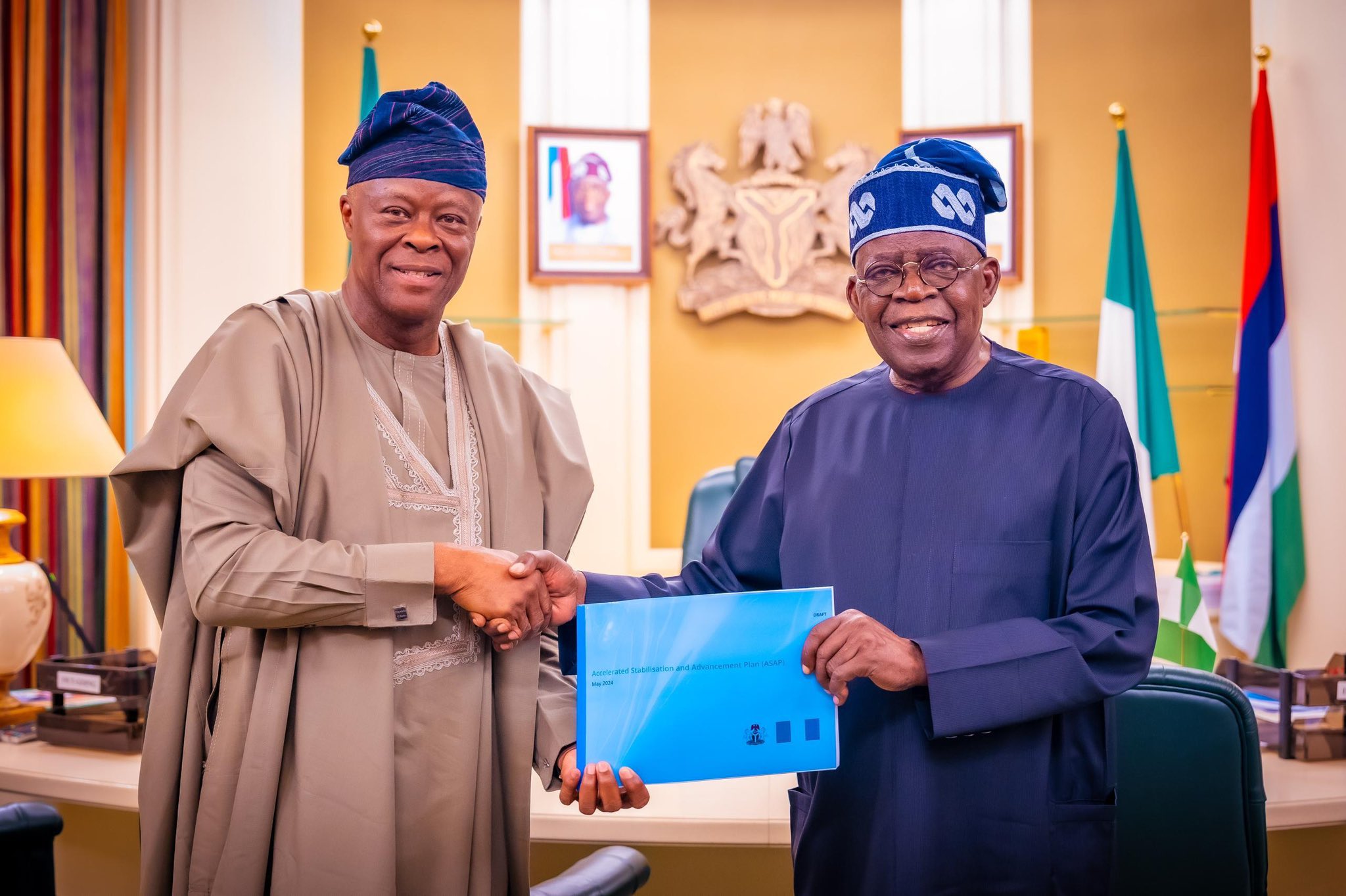
Nigeria’s economic leadership took a dramatic turn Tuesday evening as President Bola Tinubu removed Wale Edun as Minister of Finance and Coordinating Minister of the Economy, triggering widespread reactions across political and financial circles.
The decision, announced in a statement by George Akume, forms part of a minor cabinet reshuffle that also saw Ahmed Dangiwa relieved of his role as Minister of Housing and Urban Development.
In a swift replacement move, the president elevated Taiwo Oyedele from Minister of State for Finance to the top economic position, while naming Muttaqha Darma as minister-designate for housing.
Edun’s removal comes less than three years after his appointment in August 2023, a role that reunited him with Tinubu following their earlier working relationship during the president’s tenure as Lagos State governor.
Despite being widely regarded as a key figure in the administration, insiders say cracks had been forming behind the scenes, driven largely by dissatisfaction over fiscal performance and budget execution.
At the centre of the tension were persistent complaints about low capital budget releases and delays in budget implementation, issues that disrupted Nigeria’s traditional January-to-December fiscal cycle.
Lawmakers had earlier intensified pressure on the finance ministry, accusing it of recording “zero implementation” of the 2025 capital budget despite the approval of over ₦1 trillion for infrastructure and development projects.
Ministries, departments, and agencies also raised concerns over funding shortages and unpaid contractors, further amplifying criticism of the government’s economic management approach.
Edun, however, defended his record, arguing that the administration had deliberately halted what he described as the “unsustainable” practice of printing money to meet obligations, choosing instead to prioritise debt servicing and fiscal discipline.
Sources within government say the relationship between the president and his finance minister deteriorated significantly following a tense exchange at a Federal Executive Council meeting in December 2025, marking a turning point in their working dynamic.
Subsequent decisions, including the redistribution of some of Edun’s responsibilities and the eventual appointment of Oyedele as Minister of State for Finance, were seen internally as early signals of an impending leadership change.
Efforts by Edun to repair the relationship reportedly failed to reverse the situation, with insiders indicating that his influence within the administration had gradually declined in the months leading up to his removal.
The appointment of Oyedele is now expected to usher in a new phase in Nigeria’s economic management, as the administration seeks to address fiscal challenges and restore confidence in budget execution.