
Senate Orders Probe Into Fresh COVID-19 Case in Cross River as Chinese Worker Tests Positive
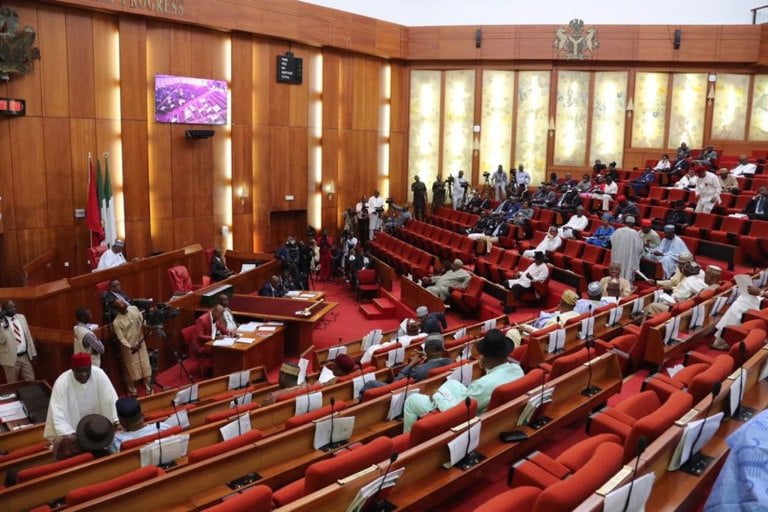
The Nigerian Senate has directed its Committee on Health to immediately investigate a newly reported COVID-19 case in Cross River State, raising fresh concerns over possible transmission risks and public health preparedness in the country.
The directive was issued on Thursday during plenary by Senate President Godswill Akpabio, who urged lawmakers to treat the matter with urgency and ensure swift findings are submitted.
Akpabio stressed the importance of proactive monitoring to prevent any potential spread of the virus beyond Cross River State, warning that early containment remains critical to national health security.
The development follows confirmation earlier in the week by the Cross River State Commissioner for Health, Henry Ayuk, that a Chinese national working with Lafarge tested positive for COVID-19.
Ayuk said the patient arrived in Nigeria on March 17 but later developed symptoms after falling ill. According to him, the individual’s condition worsened while receiving treatment at a government facility before being transferred to the University of Calabar Teaching Hospital for specialised care.
The Senate’s intervention signals renewed attention to COVID-19 surveillance in Nigeria, several years after the country’s initial outbreak in 2020.
Nigeria recorded its first confirmed case on February 27, 2020, in Lagos State, involving an Italian national, an incident that triggered nationwide containment measures.
At the time, the federal government introduced strict lockdowns across major cities including Lagos, Abuja and Ogun State, alongside border closures, school shutdowns, and restrictions on public gatherings to slow transmission.
Health agencies such as the Nigeria Centre for Disease Control (NCDC) led large-scale testing, contact tracing, and public awareness campaigns, while isolation centres were established nationwide.
Vaccination efforts later began in 2021 following global vaccine availability, prioritising frontline health workers and vulnerable groups.
Although restrictions have since been eased, health authorities continue to emphasise surveillance and rapid response systems to manage any resurgence or imported cases.
The Senate committee is expected to investigate the circumstances surrounding the latest case and recommend preventive measures to strengthen national preparedness.