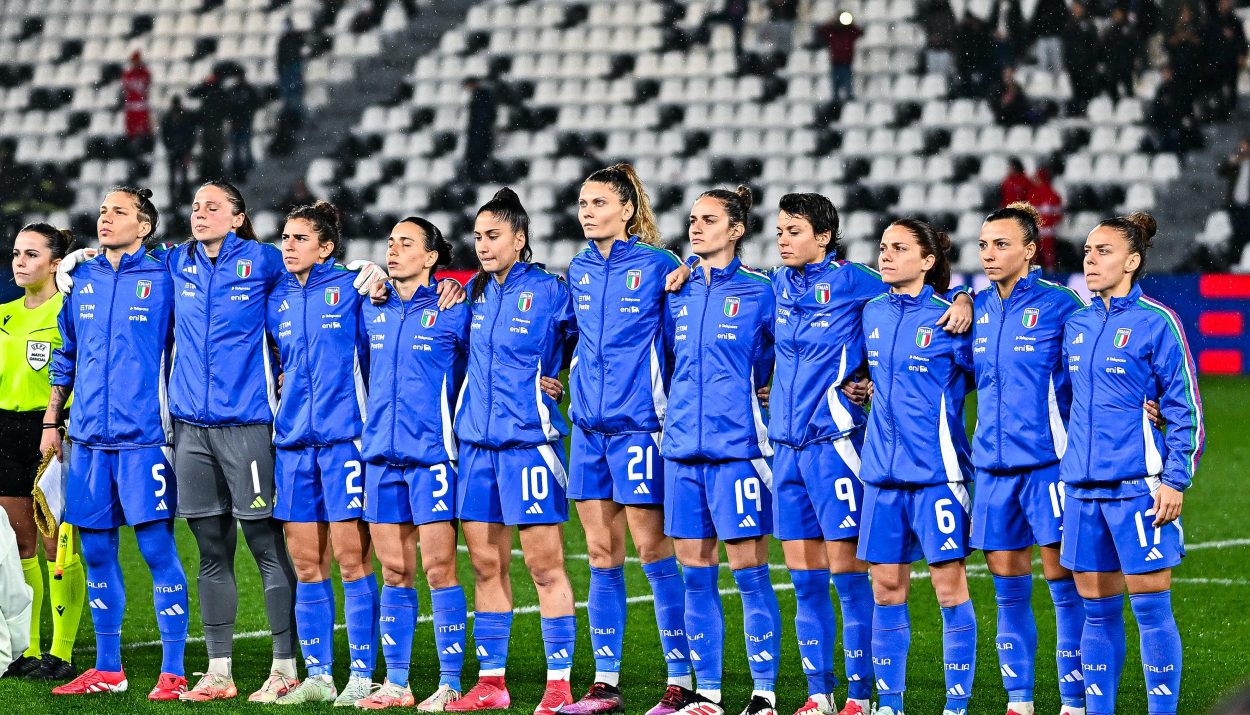
Fresh controversy has emerged around the 2026 FIFA World Cup after reports claimed that four-time champions Italy could be considered as a replacement for Iran, despite both the sporting rules and FIFA’s official stance on qualification.
The speculation gained attention following a report by the Financial Times, which stated that a special envoy of former US President Donald Trump floated the idea of Italy taking Iran’s place at the tournament amid rising geopolitical tensions linked to the Middle East conflict.
The proposal was reportedly made by Paolo Zampolli, a close associate of Trump with Italian heritage, who described the suggestion as “a dream” during remarks cited by the publication.
Zampolli also claimed he raised the idea directly with both Trump and FIFA President Gianni Infantino, arguing that Italy should be considered despite failing to qualify after their play-off elimination.
Italy were knocked out in the qualification play-offs by Bosnia and Herzegovina, meaning they did not secure a place at the tournament under the official sporting format.
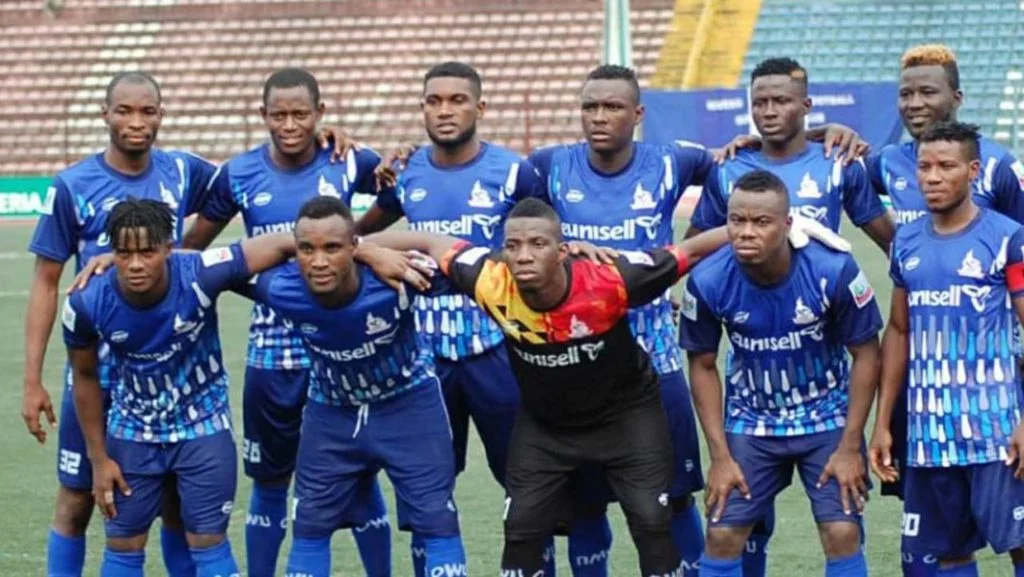
Iran, meanwhile, have already qualified for the World Cup and are scheduled to compete in Group G, with matches planned in Los Angeles and Seattle, and a training base set in Tucson, Arizona.
FIFA President Gianni Infantino has previously reiterated that Iran will “definitely” participate in the tournament, which will be jointly hosted by the United States, Mexico and Canada between June 19 and July 11, 2026.
The report adds a political dimension to the speculation, linking it to broader diplomatic tensions and efforts to repair strained relations between Trump and Italian Prime Minister Giorgia Meloni.
However, under FIFA regulations, World Cup qualification is determined strictly through sporting performance, making any suggestion of replacing a qualified team highly unusual and without precedent.
For now, the idea remains speculative, but it has already sparked debate across football and political circles due to its unusual intersection of sport and international diplomacy.