
Ruto Sparks Outrage After Mocking Nigerian Accent, Social Media Erupts Across Africa
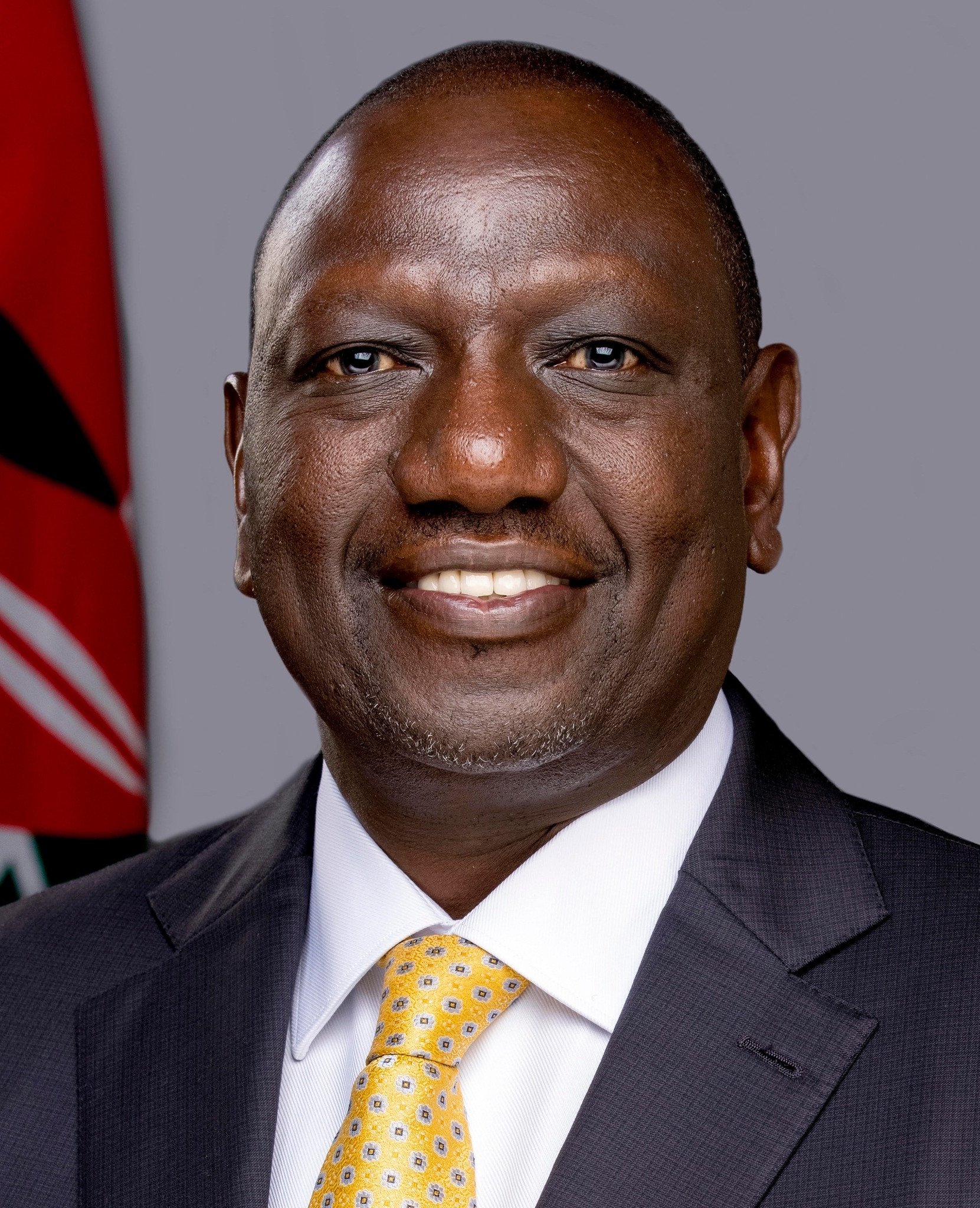
Kenyan President William Ruto is facing widespread backlash after remarks suggesting Nigerian-accented English is difficult to understand ignited criticism across Africa.
Speaking to Kenyans in Italy, Ruto praised his country’s command of English while taking a swipe at Nigerians. “If you listen to a Nigerian speaking, you don’t know what they are saying — you need a translator,” he said, drawing laughter from the audience.
The comments quickly triggered strong reactions online, with many Nigerians and Africans accusing the Kenyan leader of belittling a fellow nation over linguistic differences shaped by history and culture.
Zimbabwean journalist Hopewell Chin’ono was among those who pushed back, writing that English is a colonial inheritance and not a measure of intelligence, competence, or national development.
Both Nigeria and Kenya share English as an official language due to their colonial past, but each country has evolved its own distinctive accent. Nigeria’s spoken English reflects the influence of over 500 indigenous languages, while Kenya’s accent draws from Bantu, Nilotic, and Cushitic linguistic roots.
Ruto, however, used the moment to highlight Kenya’s education system, arguing that it produces strong English proficiency. “Our education is good. Our English is good. We speak some of the best English in the world,” he said, reinforcing his earlier remark.
The reaction from Nigeria was swift and pointed. Former senator Shehu Sani criticised the statement, referencing Nigeria’s literary legacy, including Nobel laureate Wole Soyinka and acclaimed authors Chinua Achebe and Chimamanda Ngozi Adichie.
Others argued that the remarks reflected a deeper issue tied to colonial-era thinking, where proficiency in Western languages is often wrongly equated with superiority.
The controversy also revived ongoing online rivalries between Nigerians and Kenyans, where social media exchanges frequently blend humour, nationalism, and sharp criticism.
Some users linked Ruto’s comments to recent remarks by Bola Tinubu, who faced backlash earlier this month after claiming Nigerians were better off than citizens of some other African countries, including Kenya.
Despite the backlash, there has been no official statement from Ruto’s government. However, some Kenyan voices online have defended the president, suggesting his comments were meant humorously and taken out of context.
The episode highlights how language, identity, and politics continue to intersect in Africa’s digital space, often turning casual remarks into continent-wide debates.