
Nigeria is once again grappling with grief after two separate attacks in Plateau and Borno states left dozens dead within 48 hours, exposing the fragile state of security across the country.
The first tragedy unfolded in Jos, Plateau State, where a Palm Sunday evening turned into chaos. Gunmen stormed the Angwan Rukuba community, killing at least 28 residents in what survivors described as a calculated and brutal assault.
Eyewitnesses said the attackers arrived on motorcycles, dressed in military-style clothing, and moved from house to house, opening fire indiscriminately. The scale and method of the attack have raised fears that urban areas are no longer insulated from the kind of violence once limited to rural communities.
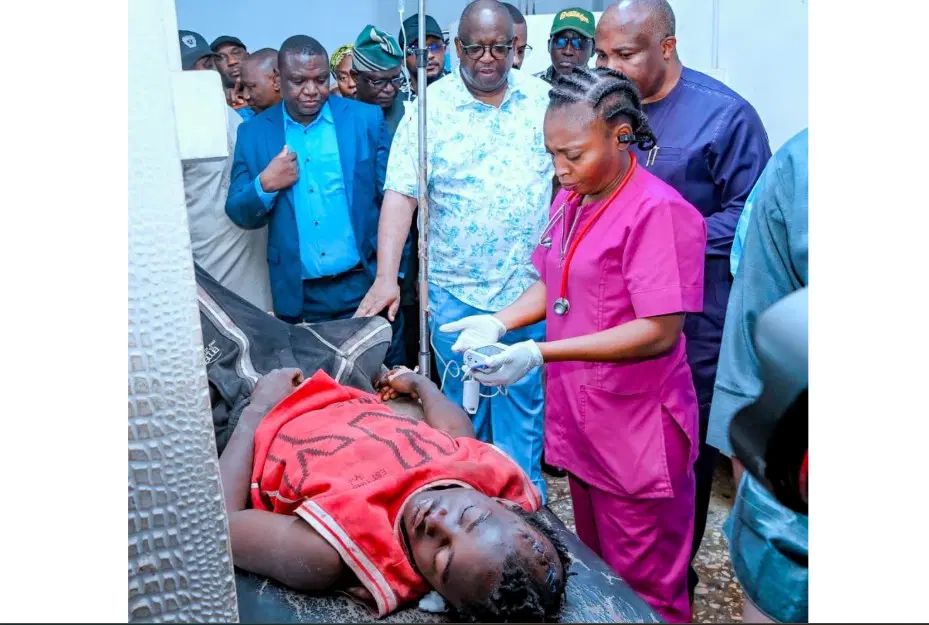
Amid the horror, stories of loss emerged quickly. Families were torn apart, with victims including residents going about their normal evening routines. Hospitals in Jos were overwhelmed as survivors rushed the injured for treatment, while others searched desperately for missing loved ones.
Barely a day later, another attack struck in Borno State. Suspected Boko Haram fighters invaded Kautikari village in Chibok, killing at least 22 people, including a local hunters’ commander.
Among the victims was a man whose wedding was just days away—an incident that has come to symbolise the personal tragedies behind the statistics. Residents said the attackers looted food supplies and livestock, forcing many to flee into surrounding areas for safety.
What makes the Borno attack more troubling is the absence of security presence at the time. Survivors reported that the attackers operated freely, meeting little resistance as they carried out the assault.
The twin attacks have triggered strong reactions from both government and stakeholders. President Bola Tinubu visited Plateau to commiserate with victims, while Governor Caleb Mutfwang imposed a curfew and promised justice for those responsible.
Security experts and political leaders, however, are pushing for more than condolences. Senator Mohammed Ali Ndume warned that the military lacks the advanced equipment needed to decisively confront insurgents, calling for urgent investment in modern warfare tools and intelligence systems.
Despite increased deployments and arrests, fear remains widespread. In Jos, fresh tension erupted even after the curfew was relaxed, with reports of mob attacks and renewed violence in parts of the city.
The deeper issue is clear: Nigeria is not just dealing with isolated attacks—it is facing a pattern.
Communities are being hit repeatedly. Responses are often reactive. And for many residents, the question is no longer if another attack will happen—but where.
Until that cycle is broken, the mourning may continue.