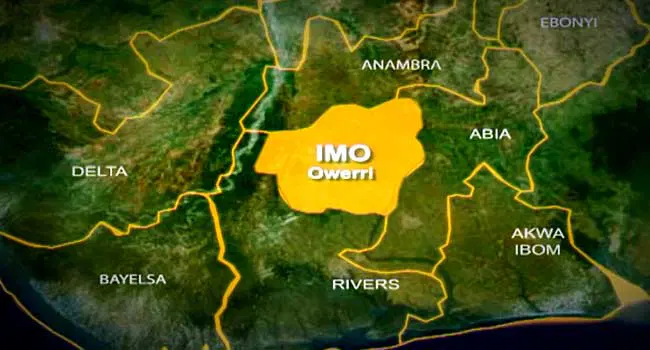

While Imo State made global headlines for honouring its Super Falcons heroines with ₦30 million and land gifts, a damning new report has simultaneously branded it the most dangerous place in Nigeria for journalists. Released by the Centre for Journalism Innovation and Development (CJID) on Thursday, the 2024 Openness Index placed Imo 37th out of 36 states and the FCT, scoring a dismal 40.70%—a statistic that has reignited national outrage over media suppression.
The CJID report, unveiled in Abuja by Prof. Victor Ayedun-Aluma of the University of Jos, highlights systemic hostility against journalists, citing harassment, intimidation, restricted access to public information, and political interference. It positions Imo below Bauchi (42.69%) and Lagos (48.93%), both of which also rank poorly. In stark contrast, Cross River—once a hotspot for journalist clampdowns—now leads the country with a 70.40% openness score.
Reacting to the ranking, the Imo State chapter of the Nigeria Union of Journalists (NUJ) described the findings as a “disturbing validation” of the dire conditions media professionals face. NUJ Chairman, Precious Nwadike, accused the state’s Commissioner for Information, Mbadiwe Emelumba, of fostering division within press bodies, blocking media access, and backing the attempted illegal sale of NUJ property. “This is not just about journalists; it’s an assault on the public’s right to truth,” Nwadike asserted.
Amid this damning report, Governor Hope Uzodimma hosted a lavish reception at Government House Owerri on August 2 to honour seven Imo-born Super Falcons players who helped Nigeria defeat Morocco to win the 2024 WAFCON title. Each was rewarded with a plot of land in Owerri and ₦30 million, with the governor hailing them as national icons and role models for young girls across the state.
The players celebrated include Chiamaka Nnadozie, Jennifer Echegini, Tochukwu Oluchi, Chinwendu Ihezuo, Osinachi Ohale, Michelle Alozie, and Ifeoma Onumonu. Uzodimma praised them as “Imo’s pride” and vowed to deepen support for women in sports. The ceremony was attended by top officials, including the Commissioner for Sports, Hon. Obinna Onyeocha, who described the event as a “reflection of the governor’s unmatched investment in youth and sports.”
Observers, however, have questioned the timing and optics of the event. “You can’t reward excellence in football while stifling excellence in journalism,” one political analyst tweeted. International bodies, including the Netherlands Embassy, have also weighed in. “A free and independent press is the backbone of any democracy,” said Ambassador Bengt Van Loosdrecht at the CJID report launch. “That backbone is under pressure.”
The CJID report calls for urgent reforms, including legal protections for journalists, transparent access to information, and an end to state-enabled repression. While Uzodimma’s reward to the Falcons may inspire the next generation of athletes, the CJID’s revelations demand a reckoning with how the state treats its watchdogs—the journalists risking their lives to hold power accountable.