
Proposed Fuel Tax Sparks Anger as Nigerians Accuse Tinubu Government of Deepening Hardship
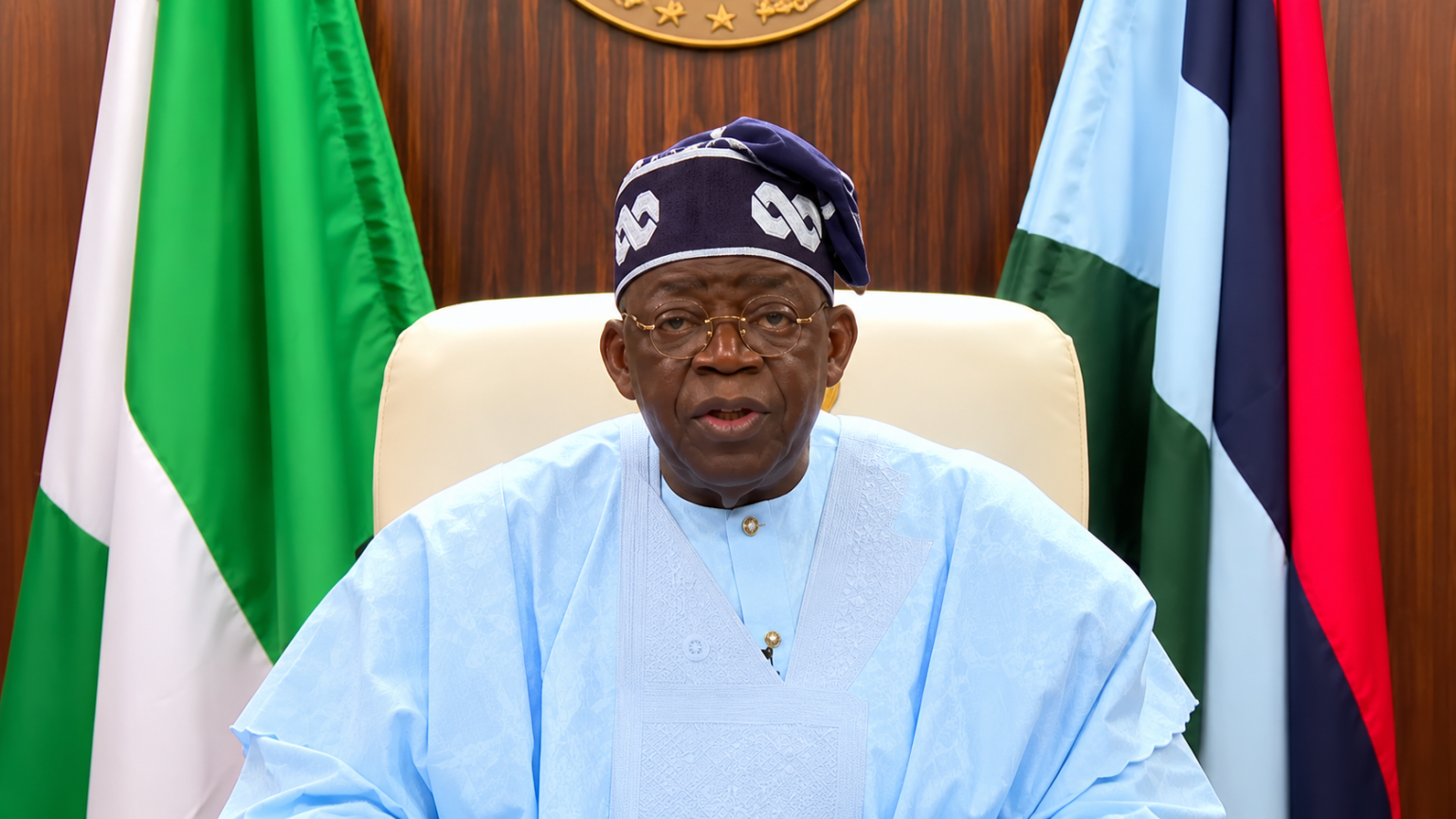
The Federal Government’s plan to introduce a fuel tax when economic conditions improve has sparked fresh controversy, with Nigerians warning that the proposed levy could increase the cost of living and place further pressure on struggling businesses.
Finance Minister and Coordinating Minister of the Economy Taiwo Oyedele disclosed the plan during an interview on the sidelines of the 2026 International Monetary Fund and World Bank annual meetings in Bangkok, Thailand. He said the government would introduce the tax only when the economy had stabilised and household incomes had improved enough to accommodate the additional cost.
Oyedele explained that revenue from the proposed levy would support road infrastructure and help establish a fuel reserve to cushion the impact of future price shocks. He added that the tax could not take effect until the finance minister issued an order published in the Official Gazette, making the implementation process public.
The proposal relates to a five per cent surcharge on chargeable fossil fuel products provided for under Nigeria’s tax framework. Its implementation has previously faced resistance from organised labour and business groups, while the government said in June 2026 that it was not then considering activating the surcharge. The existing framework exempts products including household kerosene, cooking gas, compressed natural gas and clean or renewable energy products.
Oyedele argued that introducing the levy while petrol was subsidised would have meant the government effectively paying the charge itself. He also said imposing it immediately after subsidy removal would have added to the financial burden on consumers. According to the minister, the government’s priority should be to grow incomes faster than prices rise rather than attempt to suppress fuel prices.
He said the proposed fuel reserve could help moderate prices when unexpected events cause market shocks. The government could also temporarily waive the tax during periods of severe price pressure, he explained. Oyedele maintained that the levy would be introduced only when the government considered the economic conditions suitable and the benefits clear to Nigerians.
However, the proposal has drawn strong criticism from citizens already struggling with fuel costs, inflation and the naira’s depreciation. Tailor Niyi Osundare said another charge would increase operating costs for small businesses that depend on petrol-powered generators because of unreliable electricity supply. He questioned when the promised improvement in incomes would become a reality and argued that many businesses were already operating at a loss.
Lawyer and public affairs analyst Kunle Onatade also challenged the government’s justification for the proposed tax. He argued that Nigerians had yet to see sufficient infrastructure benefits from revenue generated after fuel subsidy removal and questioned whether additional collections would translate into better public services. His comments reflected broader concerns about government spending, borrowing and accountability, although his allegations about the use of public funds were not independently established in the supplied report.
Business groups have also warned that an additional fuel charge could raise production and transportation costs, with possible consequences for consumer prices. The Association of Small Business Owners of Nigeria urged the government to prioritise relief for businesses and households instead of introducing another levy. The controversy comes amid continuing debate over President Bola Tinubu’s May 29, 2023 declaration that “fuel subsidy is gone.” For critics, the central question is whether the government can demonstrate sustained improvements in living standards before asking Nigerians to shoulder another potential cost.