
Trump Says Strait of Hormuz Deal Could Come Within Days, Warns Iran of Consequences if Talks Fail
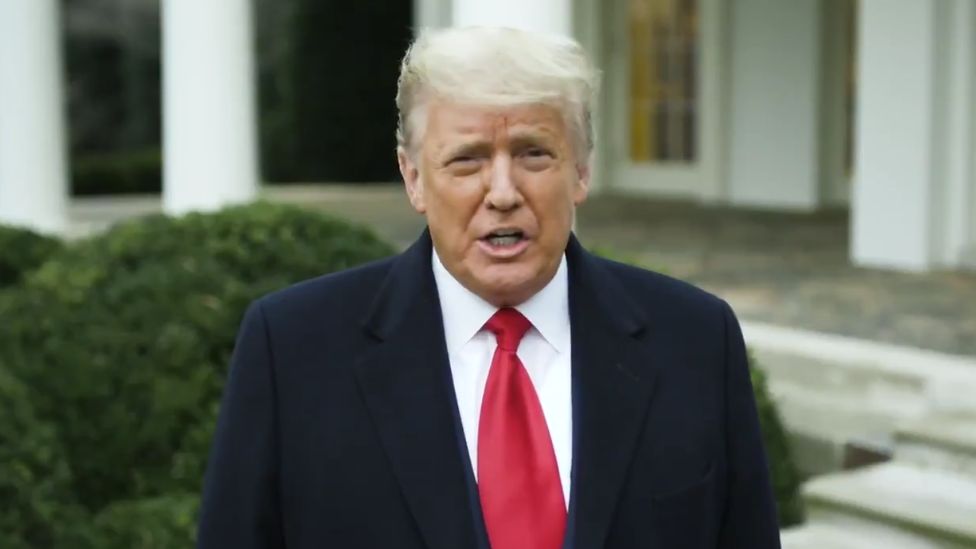
Tensions in the Middle East remain high as U.S. President Donald Trump says a deal to reopen the Strait of Hormuz could be reached within days, while warning that Iran would face severe consequences if negotiations collapse.
Speaking to reporters in California on Tuesday, Trump expressed optimism that ongoing diplomatic efforts could produce an agreement as early as Wednesday. He said negotiators had made significant progress, describing the latest round of discussions as productive.
“We had a very good day,” Trump said, adding that a deal to restore access through the strategic waterway could happen “tomorrow or the next day.”
Hours earlier, however, the U.S. president adopted a tougher stance during an interview with Fox News, warning that Iran would be “hit very hard” if the talks failed. He insisted that the Strait of Hormuz would eventually reopen, either through diplomacy or by force if necessary.
The Strait of Hormuz, one of the world’s most critical maritime trade routes, carries a significant share of global oil and natural gas exports. The waterway has remained at the centre of negotiations following renewed hostilities after an April ceasefire. Iran has reportedly tightened its control over the strait and is seeking authority to regulate traffic and impose transit tolls.
U.S. Treasury Secretary Scott Bessent also indicated that an agreement could be close, telling CNBC there was a possibility of reaching a deal by Wednesday or Thursday. Meanwhile, Secretary of State Marco Rubio confirmed that Washington is participating in negotiations involving Oman aimed at increasing maritime traffic through the strait.
Reports by U.S. news outlet Axios suggest that the United States, Iran and Oman are discussing a proposed 60-day interim arrangement that would guarantee safe passage through the Strait of Hormuz. While the report cited unnamed officials familiar with the talks, Qatar—one of the key mediators—said diplomatic efforts remain ongoing but noted that no direct talks between Washington and Tehran have been scheduled.
Despite the optimism surrounding negotiations, security concerns continue to grow across the region. Britain’s maritime security agency reported that a merchant vessel was struck by an unidentified projectile in the Strait of Hormuz, leaving one crew member missing. Separately, an Indian cargo ship sank in the Red Sea following an unattributed attack, although all crew members were rescued.
The ongoing disruptions have increased pressure on alternative shipping routes, particularly through the Red Sea, where Iran-backed Houthi rebels continue to threaten commercial vessels. With global energy markets closely monitoring developments, the outcome of the Hormuz negotiations is expected to have significant implications for international trade, regional stability and oil prices.