
US Midterm Elections: What Democrats’ Congressional Victory Could Mean for Nigeria
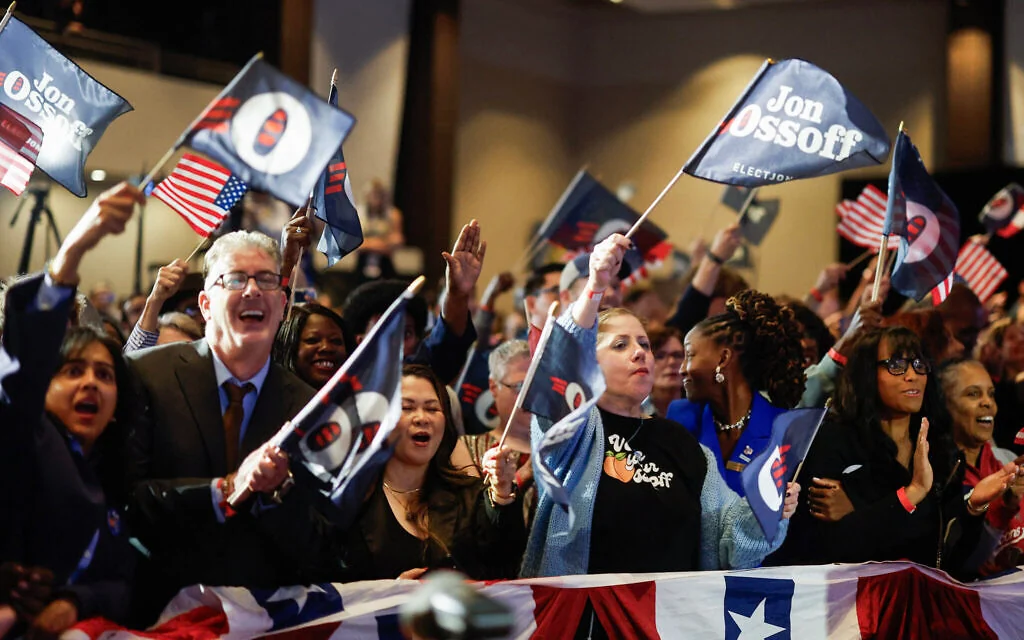
The outcome of the 2026 United States midterm elections could reshape Washington’s relationship with Nigeria, particularly in areas of security cooperation, immigration, trade and diplomatic engagement.
With Democrats reportedly reclaiming control of both chambers of Congress, Nigeria may face a different political environment in Washington, one in which President Donald Trump’s foreign policy decisions could attract stronger congressional scrutiny.
The implications extend beyond American politics. Nigeria’s relationship with the United States is shaped by security cooperation, oil and trade, migration, religious freedom and the interests of millions of Nigerians living in the diaspora.
For Abuja, the emerging political landscape presents both opportunities and challenges, particularly as the country prepares for its own 2027 general elections.
From diplomatic tensions to security cooperation
The analysis traces the recent improvement in Nigeria-US relations to tensions that emerged in October 2025, when the Trump administration designated Nigeria a Country of Particular Concern over religious freedom.
The designation generated diplomatic concerns in Abuja, with the Nigerian government maintaining that insecurity in the country could not be reduced to a religious conflict.
Nigeria argued that its security challenges involved several interconnected factors, including jihadist insurgency, banditry, farmer-herder conflicts, kidnapping networks and instability across the Sahel.
President Bola Tinubu subsequently deployed National Security Adviser Nuhu Ribadu to Washington to engage American officials and present Nigeria’s position.
The diplomatic engagement reportedly led to the establishment of a Joint Working Group involving security, intelligence, foreign affairs, police and humanitarian officials from both countries.
The relationship also expanded into military cooperation, with the analysis highlighting joint security operations, American military training support and a proposed five-year health cooperation agreement valued at approximately $5.1 billion.
These developments represented a shift from diplomatic tension towards greater cooperation. However, the emerging Democratic congressional majority could introduce additional scrutiny into how the partnership operates.
- Stronger congressional oversight of security cooperation
One of the immediate implications of the election outcome could be increased congressional oversight of the Trump administration’s foreign policy decisions.
While the President retains significant authority over foreign policy, Congress plays an important role in approving funding, scrutinising security arrangements and demanding accountability.
For Nigeria, this could introduce additional conditions and bureaucratic delays in military cooperation.
However, stronger oversight could also make the relationship more sustainable by moving it beyond personal diplomatic relationships between Tinubu and Trump.
A partnership supported by legislation, institutional agreements and bipartisan congressional backing could survive changes in political leadership in either country.
- Religious freedom could return to the centre of diplomatic discussions
Religious freedom is another area likely to attract renewed attention.
Democratic lawmakers, particularly those involved in human rights and religious freedom advocacy, could demand greater scrutiny of Nigeria’s response to attacks against religious communities.
The Nigerian government may therefore face pressure to demonstrate how it protects Christians, Muslims and other vulnerable communities affected by insecurity.
The analysis argues that Abuja must maintain a consistent diplomatic engagement with Congress and present credible evidence of its security operations, civilian protection efforts and prosecution of perpetrators of violence.
Rather than relying exclusively on diplomatic explanations, Nigeria would need to demonstrate measurable progress.
- Immigration restrictions and the Nigerian diaspora
Immigration policy could become another important area of engagement between Washington and Abuja.
The Trump administration’s restrictive immigration measures have reportedly affected Nigerian students, business travellers and families seeking to visit relatives in the United States.
A Democratic-controlled Congress could challenge some of these policies and demand greater transparency in visa restrictions and immigration enforcement.
For Nigerians living in the United States, such developments could have significant implications for family connections, education, employment and business opportunities.
The Nigerian diaspora also remains important to the country’s economy through remittances, investments and international advocacy.
However, any relaxation of immigration restrictions would depend on the administration’s policies, congressional influence and the relevant legal processes.
- AGOA and the future of Nigeria-US trade
Trade policy could become one of the most consequential areas for Nigeria following the midterm elections.
The African Growth and Opportunity Act (AGOA), which provides eligible African countries with preferential access to the American market, remains particularly important to Nigeria’s non-oil export ambitions.
The analysis highlights uncertainty surrounding the programme’s renewal and argues that Nigeria should intensify its lobbying efforts in Washington.
A Democratic-controlled Congress could provide an opportunity for renewed discussions about African trade preferences and the impact of American tariffs.
For Nigerian exporters in agriculture, textiles, manufacturing and the creative industries, the future of AGOA could influence access to one of the world’s largest consumer markets.
The Federal Government should therefore pursue a bipartisan approach to securing a longer-term trade arrangement rather than relying on temporary extensions.
Why Nigeria should not overreact
Despite the political changes in Washington, three important factors remain relevant to the bilateral relationship.
First, Nigeria remains strategically important to the United States because of its population, economic influence, energy resources and position in West Africa.
Second, President Trump remains in office and retains substantial executive authority over foreign policy. A Democratic congressional majority does not automatically terminate existing security and diplomatic arrangements.
Third, Nigeria’s own 2027 elections will influence how Washington assesses its democratic credentials.
The credibility, transparency and peaceful conduct of the elections could shape future American engagement with Nigeria.
What Abuja should do next
The changing political environment requires Nigeria to adopt a more deliberate diplomatic strategy.
The first priority should be early engagement with the incoming leadership of the House Foreign Affairs Committee and Senate Foreign Relations Committee.
Nigeria should also strengthen its case for a long-term AGOA arrangement, demonstrating the mutual economic benefits of trade between both countries.
On security, Abuja should work towards institutionalising existing cooperation through formal agreements, measurable targets and transparent reporting mechanisms.
The government must also improve its communication around insecurity, presenting credible information on civilian protection, interfaith relations, military operations and prosecutions of violent offenders.
Ultimately, Nigeria’s diplomatic influence will depend not only on its strategic importance but also on the credibility of its domestic institutions and policies.
The 2026 US midterm elections may introduce a more demanding congressional environment for the Tinubu administration. However, they could also create an opportunity to build a more institutionalised and sustainable relationship.
For Nigeria, the challenge is to prepare for that transition rather than react to it after the new Congress takes office.