
Alarm as Fish Sellers Allegedly Use Industrial Red Dye to Make Spoiled Fish Look Fresh
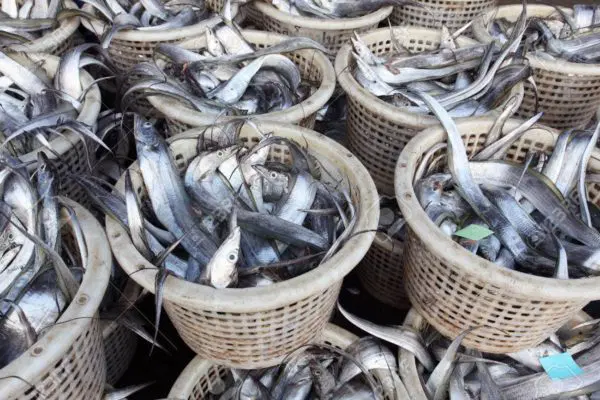
Growing economic hardship and the rising cost of food preservation are reportedly pushing some fish sellers to adopt a dangerous practice—using industrial red dyes to disguise spoiled fish as freshly caught seafood.
Investigations and accounts from consumers suggest that some traders are artificially restoring the bright red colour of fish gills, a traditional indicator of freshness, to deceive unsuspecting buyers. The practice has raised fresh concerns over food safety and public health.
According to caterer Mrs. Yemisi Dauda, the chemicals are carefully applied to the dull or grey gills of fish that have been stored for too long or have already started to deteriorate.
“These chemicals were being meticulously brushed into the dull, grayish gills of day-old or decaying fish to give them the vibrant, crimson appearance of a morning catch,” she said.
Health experts have warned that the alleged use of industrial-grade dyes on food could expose consumers to serious health risks. Dr. Hassan Abdullahi, a medical practitioner, described the practice as a direct threat to public health.
“What we are witnessing is not just economic fraud; it is a calculated threat to human life. These sellers are prioritising profit over safety. Industrial dyes may contain heavy metals and toxic compounds that can cause severe food poisoning, gastrointestinal complications, and long-term damage to the liver and kidneys,” he warned.
Several residents who spoke on the issue linked the practice to worsening economic conditions and the high cost of preserving perishable goods. With electricity tariffs rising and refrigeration becoming increasingly expensive, some traders reportedly struggle to keep unsold fish fresh overnight.
Rather than discard spoiled stock and suffer financial losses, dishonest vendors are allegedly choosing to alter the appearance of the fish to attract buyers.
Consumer Mrs. Josephine Audu recounted a recent experience that left her alarmed.
“I bought red snapper that looked fresh at the market, but when I soaked it in water at home, the gills lost their colour and the water turned bright red. The fish had an unpleasant smell underneath. Now we have to inspect everything carefully before cooking,” she said.
Another resident, Mrs. Sherifatu Kazeem, said the revelation had shaken her confidence in buying fresh fish.
“We were always taught to check that the gills are bright red. If people are now using chemicals to fake that, it becomes much harder for consumers to know what is safe,” she said.
Restaurant owner Chef Mabel Ajede advised buyers not to rely solely on the colour of fish gills. She recommended checking the smell, firmness of the flesh and scales, adding that any fish that releases red or pink colouring into water should be avoided.
Meanwhile, trader Mrs. Fatimetu Dirisu argued that while the practice is unacceptable, authorities should also address the underlying challenges facing honest traders by investing in affordable cold-storage facilities, including solar-powered refrigeration systems in major markets.
Food safety advocates are urging regulatory agencies to intensify market inspections, investigate reports of chemical adulteration and prosecute anyone found endangering public health through the sale of contaminated food products.