
Army Explains Arrest of Influencer Justice Crack Over Alleged Subversive Chats With Soldiers
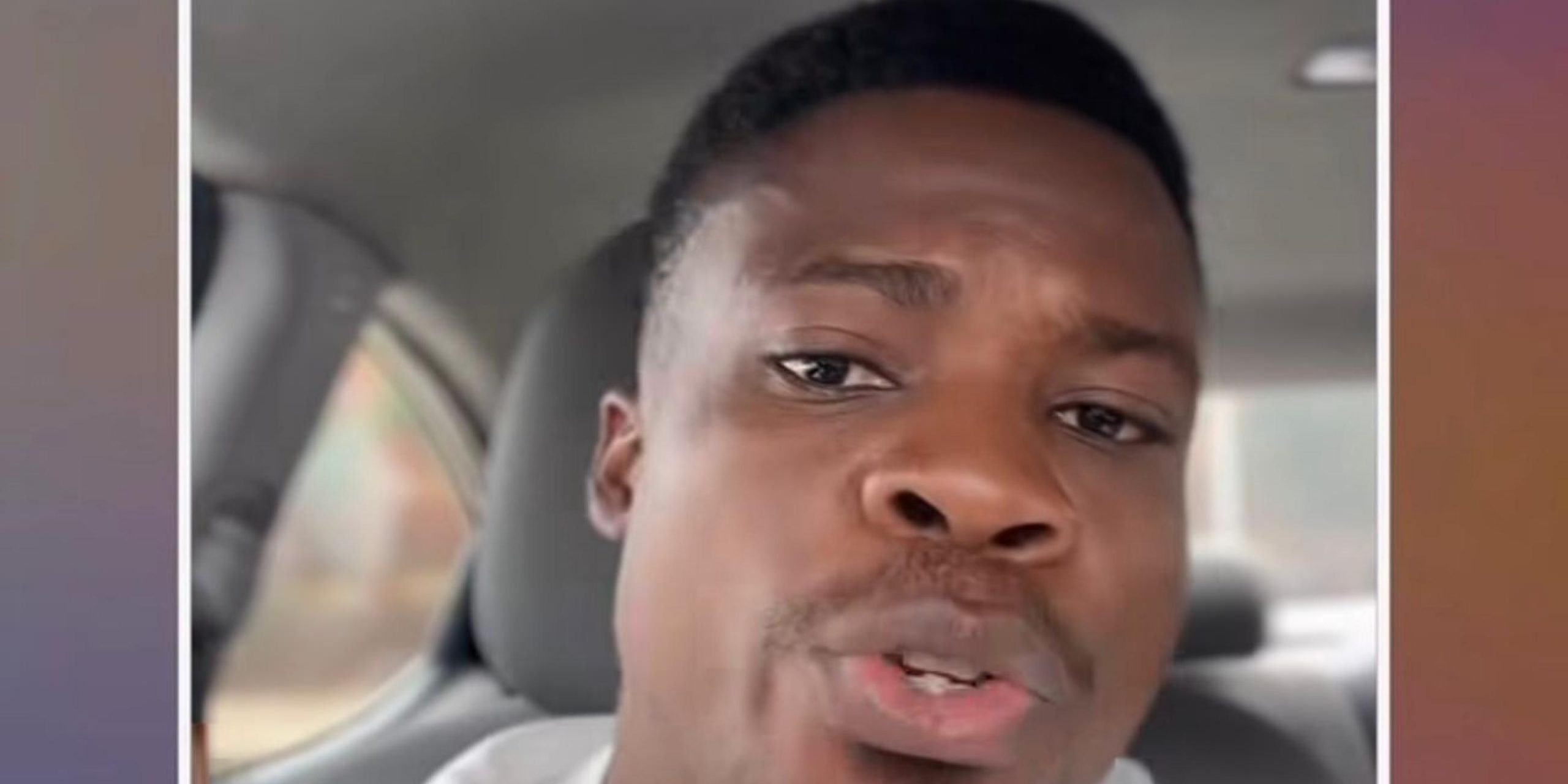
The Nigerian Army has clarified why social media influencer Justice Chidiebere, widely known as Justice Crack, was arrested, saying his engagement with soldiers went beyond welfare complaints and raised concerns about possible subversive activity.
In a statement issued by the Acting Director of Army Public Relations, Colonel Appolonia Anele, the Army said it became aware of Chidiebere’s online posts featuring soldiers’ grievances about feeding and welfare conditions, prompting an internal review.
According to the military, what began as scrutiny of welfare-related content later revealed deeper concerns after investigators examined conversations between the influencer and serving personnel.
The Army claimed preliminary findings showed that some of the discussions encouraged dissatisfaction within the ranks, with certain exchanges described as bordering on subversion.
It warned that interactions between civilians and vulnerable military personnel that could weaken discipline or operational integrity posed serious national security risks.
Chidiebere was arrested alongside the soldiers involved, while the Army confirmed that the soldiers remain under military custody. The influencer, however, has since been transferred to civil authorities for further investigation and possible prosecution.
The Army also linked the arrest to alleged violations of its social media policy, stating that misinformation and unverified claims about military operations could undermine public trust and security.
Reaffirming its position, the military said its actions were guided by law and aimed at safeguarding national sovereignty while maintaining discipline within the armed forces.
But even before the Army’s clarification, the case had already sparked public controversy. Chidiebere’s wife had gone public with an emotional plea, saying she had not heard from her husband since his arrest and describing the situation as deeply unusual.
She said repeated attempts to reach him failed and insisted he had never previously stayed away from home without communication, raising concern about his sudden disappearance.
Human rights activist Omoyele Sowore also criticised the arrest, calling for Chidiebere’s release and alleging that he was targeted for drawing attention to soldiers’ welfare conditions and alleged extrajudicial killings.
Meanwhile, court proceedings have since added a new layer to the case. Chidiebere was arraigned at the Federal High Court in Abuja on a three-count charge bordering on cybercrime, breach of public peace, and felony, all of which he denied.
Following the arraignment, the Department of State Services (DSS) requested that he remain in custody, a position supported by the prosecution on grounds of public security concerns.
Justice Joyce Abdulmalik ordered that he be remanded in DSS custody, with the case adjourned to May 25 for hearing of the bail application and commencement of trial.
The DSS further alleged that Chidiebere’s arrest was linked to a viral post on his X account in which he reportedly criticised the condition of military equipment and personnel welfare.
The unfolding case has now become a flashpoint in ongoing debates around free expression, military discipline, and the limits of online commentary in Nigeria.