
“Don’t Re-elect Tinubu” — Peter Obi Cites Power Crisis, Revives Campaign Promise
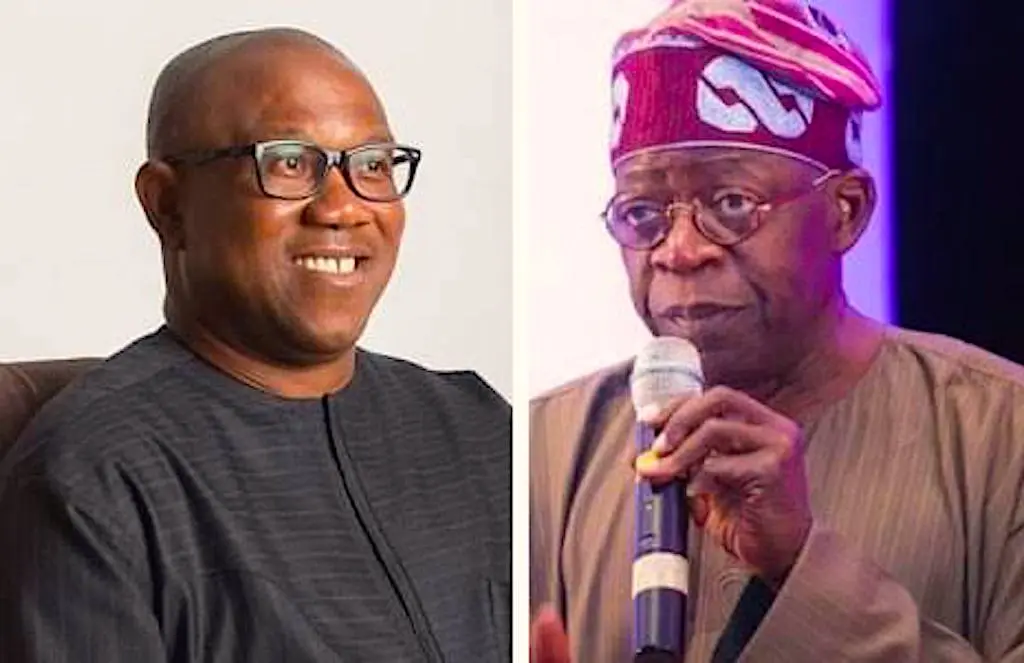
Peter Obi has taken direct aim at President Bola Tinubu’s re-election prospects, urging Nigerians to hold the president accountable for a key campaign promise on electricity.
In a strongly worded statement, the Labour Party’s 2023 presidential candidate reminded voters of Tinubu’s pledge during the last election cycle—that he should not be returned to office if he failed to deliver stable power within four years.
“If I don’t give you constant electricity in four years, don’t vote for me for a second term,” Obi quoted the president as saying, arguing that the benchmark has already been missed.
Obi pointed to what he described as worsening power conditions across the country, noting that electricity generation has dropped below the 4,000 megawatts level recorded when Tinubu assumed office in 2023. At the same time, he said, tariffs have increased, placing additional strain on Nigerians.
He further cited Nigeria’s per capita electricity consumption, putting it at 144 kilowatt-hours compared to Africa’s average of 617 kWh. According to him, this highlights the country’s deepening energy deficit and its impact on economic productivity.
For Obi, the issue goes beyond numbers. He framed the situation as a failure of leadership and accountability, arguing that the gap between promises and reality reflects a broader governance problem.
To underline his point, he referenced a recent moment involving the president during a visit to Jos. Obi claimed Tinubu cut his stay short, citing lack of electricity at the airport—a remark he said underscores the disconnect between leaders and everyday Nigerians.
“At a time when citizens endure prolonged outages, leadership must reflect resilience, not retreat,” Obi argued, positioning the incident as symbolic of a wider issue.
He called on voters to use future elections as a tool for accountability, urging them to reject leaders who fail to deliver on critical promises, particularly in sectors as vital as power.
The intervention adds to growing political debate around Nigeria’s electricity crisis, which remains one of the most defining issues shaping public perception of governance ahead of the next election cycle.