
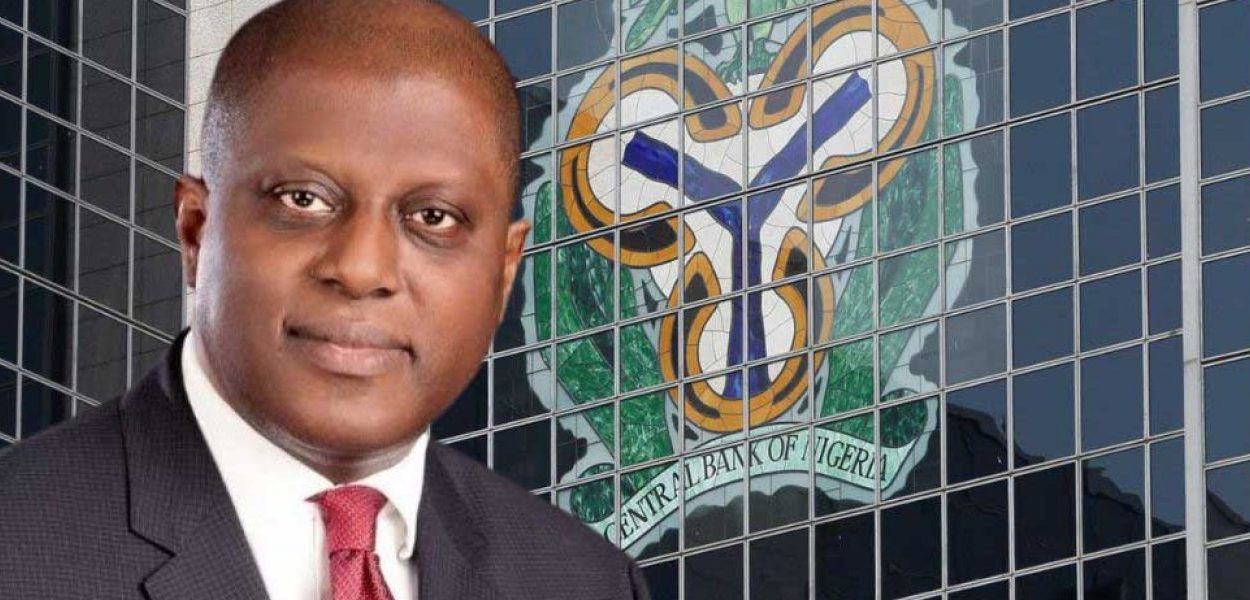
Governor of the Central Bank of Nigeria, Olayemi Cardoso, has warned that cross-border payment systems serving developing nations are excessively expensive, slow and fragmented, limiting access to global economic opportunities.
Speaking at the Technical Group Meeting of the Intergovernmental Group of Twenty-Four in Abuja, Cardoso said inefficiencies in international payment systems directly hurt emerging economies through high remittance costs, foreign exchange charges, delayed settlements and barriers that shut out micro, small and medium enterprises.
“Today, cross-border payments remain too slow, too costly, and too fragmented, especially for developing economies,” he said. He noted that global remittance corridors still average costs above six percent, with settlement periods stretching several days and compliance requirements excluding many smaller businesses.
Cardoso described reforming cross-border payments as a development priority rather than a purely technical matter, arguing that the channels through which remittances, trade flows and capital move now form a critical component of global financial stability.
He pointed to digital innovation as a turning point. Instant payment systems, interoperable platforms, distributed ledger technology and digital identity frameworks, he said, could significantly reduce transaction costs, improve transparency and shorten settlement times.
As an example, he referenced India’s Unified Payments Interface, which has expanded cross-border linkages with Singapore and the United Arab Emirates, lowering remittance costs and widening access to digital transactions.
Nigeria, he revealed, is finalising its Payment System Vision 2028 — a roadmap designed to strengthen financial system resilience, accelerate innovation and deepen financial inclusion, with cross-border efficiency as a central pillar.
Chair of the G-24 and Nigeria’s Minister of Finance and Coordinating Minister of the Economy, Wale Edun, warned that nearly half of low-income countries are either in or approaching debt distress.
He said debt servicing obligations in the Global South now exceed flows from Overseas Development Assistance and Foreign Direct Investment combined. About 25 percent of emerging and developing economies have also lost access to international capital markets, making domestic revenue mobilisation increasingly urgent.
Director and Head of the G-24 Secretariat, Iyabo Masha, described the current global climate as one of “measured resilience but constrained ambition.” She warned that shrinking fiscal space across emerging markets is limiting governments’ ability to invest in infrastructure, climate resilience and social protection.
External public debt servicing in developing economies reached $487 billion in 2023, according to UNCTAD, underscoring what she called a widening structural financing gap.
The Abuja meeting comes at a critical moment for developing economies balancing digital transformation with mounting debt burdens and tightening fiscal conditions.