
Trump Shocks African Economies with 15% Tariff on Nigerian, Regional Exports in New Trade War Escalation
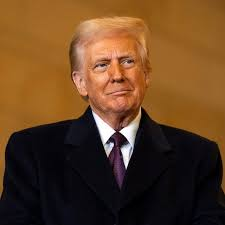
President Donald Trump has signed a sweeping Executive Order imposing a 15% tariff on goods from Nigeria and 10 other African countries, triggering alarm among trade and economic experts across the continent. The move, made public on Thursday, August 1, 2025, has sparked concerns about strained relations and a potential ripple effect on Africa’s fragile export economies.
According to the White House statement titled “Further Modifying the Reciprocal Tariff Rates,” the new duties will take effect from 12:01 a.m. on Monday, August 5, targeting goods “entered for consumption or withdrawn from warehouse for consumption.” The directive lists Nigeria, Zimbabwe, Zambia, Uganda, Ghana, Malawi, Lesotho, Mauritius, Mozambique, and Madagascar among affected nations.
South Africa and Libya face even stiffer penalties with 30% tariffs, while Tunisia was hit with a 25% rate. Beyond Africa, the new tariff list includes India (25%), Japan (15%), and the United Kingdom (10%), reinforcing Trump’s combative “America First” trade posture as he pushes for what he terms a level playing field for U.S. exports.
The Nigerian private sector is already ringing alarm bells. The Centre for the Promotion of Private Enterprise (CPPE) warned that the policy could hurt local exporters and worsen the country’s balance of trade. Nigeria’s agro-processing, textile, and solid minerals sectors are especially vulnerable, as many of their exports fall within the targeted categories.
This latest economic salvo from Washington follows an earlier Executive Order signed on April 2, 2025, when the Trump administration first hinted at punitive tariffs in response to what it called “unfair market access and intellectual property practices” by several nations, Nigeria included.
While official Nigerian government reaction was still pending at press time, diplomatic insiders suggest Abuja may seek dialogue through the U.S. Trade Representative’s office and regional blocs like ECOWAS and the African Continental Free Trade Area (AfCFTA).
Trump’s move threatens to complicate U.S.-Africa trade cooperation at a time when the African Growth and Opportunity Act (AGOA) is set to expire in 2025. With the fate of AGOA’s renewal uncertain and protectionism on the rise, African economies may need to urgently diversify trade partners and shield their export-dependent sectors from further shocks.