
Olamide Defends Yoruba Heritage, Says African Traditions Should Not Be Demonised
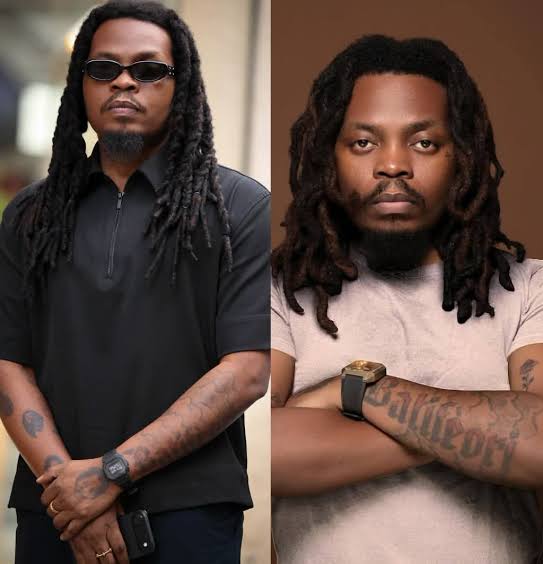
Nigerian rapper Olamide Adedeji, popularly known as Olamide Baddo, has expressed pride in his Yoruba heritage, insisting that indigenous African traditions should not be labelled as diabolical or treated with contempt.
The rapper made the remarks during a private screening of Osun Dagbonu, a new film by Nollywood actress and filmmaker Tayo Sobola, popularly known as Sotayo Gaga.
In a video from the gathering circulating on social media, Olamide declared his support for Yoruba culture and challenged negative perceptions surrounding indigenous traditional practices.
“Our culture and tradition is not diabolical and it is not to be demonised. And we’re proud of who we are, where we’re coming from and everything about our heritage, tradition and culture,” he said.
Reaffirming his connection to his roots, the rapper added: “Omo Yoruba lemi, t’eba fun emi gan ni Ose Dudu malo.”
His comments have drawn attention to the wider conversation about how African traditional beliefs are perceived, particularly the tendency to associate indigenous spiritual practices with evil or diabolism.
The appearance also brought renewed attention to Osun Dagbonu, a film exploring themes of African spirituality, destiny and religious beliefs.
Sobola had previously organised a four-day private screening of the production between June 18 and June 21, 2026, at Vintano Hotel in Lekki, Lagos.
The actress said the screenings were arranged to allow audiences to experience the film collectively while providing immediate feedback on the production.
“I really wanted to hear people’s opinions, get natural feedback from fans and observe their reactions, and the best way to do that was by bringing them together for this experience,” she said.
The film also features veteran actress Toyin Afolayan, popularly known as Lola Idije, who praised the production for exploring African spirituality and indigenous cultural beliefs.
Olamide’s comments reflect a cultural identity that has remained central to his music career. The rapper has consistently incorporated Yoruba language, expressions and cultural references into his songs, helping to maintain the visibility of indigenous languages in contemporary Nigerian music.
Since emerging in the industry, he has established himself as one of Nigeria’s prominent indigenous-language rappers, drawing heavily on Yoruba expressions and everyday experiences in his music.
His appearance at the screening has further brought the discussion about cultural identity, heritage and the representation of African traditional beliefs into the spotlight.