
Nigeria-South Africa Tensions Deepen as Anti-Migrant Protests Put Nigerians on Edge
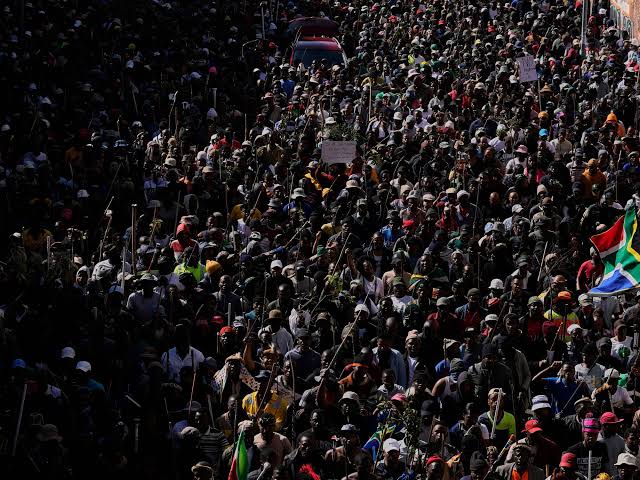
Relations between Nigeria and South Africa are facing renewed strain after anti-migrant protesters gave undocumented foreigners until September 30 to leave the country, raising fresh fears among Nigerians living in parts of South Africa.
The unofficial deadline has no legal force, but Nigerian community representatives say the campaign has already affected daily life. Some Nigerians are reportedly leaving the country, closing businesses, keeping children away from school or seeking safety around Nigerian diplomatic facilities as tensions rise.
At the centre of the unrest is South Africa’s difficult economic climate, with anti-migrant groups blaming foreigners for unemployment, crime and pressure on public services. Fola Aina, an international security analyst and development studies lecturer at SOAS University of London, said economic insecurity can create conditions where migrants become convenient targets for public frustration.
Nigerians have been particularly affected by the tensions. Nigerian officials say nearly 100 Nigerians have died in mob attacks and other incidents linked to anti-migrant violence in South Africa since 2022. Pretoria, however, has repeatedly pointed to allegations that some Nigerian nationals are involved in organised crime, drug trafficking and financial fraud, while insisting that immigration enforcement remains the responsibility of the state.
The latest crisis has also reached Abuja. Nigeria’s parliament suspended official visits and legislative engagements with South Africa following growing anger over attacks against Nigerians. The deaths of two more Nigerian nationals this month have added to the diplomatic pressure.
The two countries had attempted to ease tensions earlier this year. South African Foreign Minister Ronald Lamola visited Abuja in July for talks on migration, security and the protection of foreign nationals. South African President Cyril Ramaphosa has also publicly rejected xenophobia, Afrophobia and violence against migrants.
But the diplomatic efforts have been followed by further deaths. Nigeria said Michael Taiwo Fakunle, a bishop, was shot dead at his Johannesburg home on September 4 after allegedly receiving threats. The Nigerian government also said James Uchechukwu Nwankwo died after what it described as “gruesome interrogation techniques” by South African police. South African police disputed that account, saying Nwankwo had been arrested over suspected drug possession and developed breathing difficulties while being taken to a police station. Police said an inquest had been opened and that there were no visible signs of assault.
The dispute has also created a financial argument over the cost of the crisis. Nigeria has sought compensation for citizens who lost property and businesses during the June violence, while South Africa says it intends to seek reimbursement from African governments for the cost of repatriating and deporting their nationals. Nigeria has said it has not received a formal request for such payment.
The latest confrontation is significant because Nigeria and South Africa are two of Africa’s most influential political and economic powers. Their relationship has survived previous disputes over xenophobic attacks, deportations and diplomatic disagreements, but analysts warn that repeated crises could damage trade and cooperation on regional security and economic integration.
Fola Aina said the wider concern is that a prolonged dispute between the two countries could weaken confidence in the African Union’s commitment to continental solidarity and free movement. For Nigerians living in South Africa, however, the immediate concern remains safety as authorities investigate attacks and communities prepare for further demonstrations.