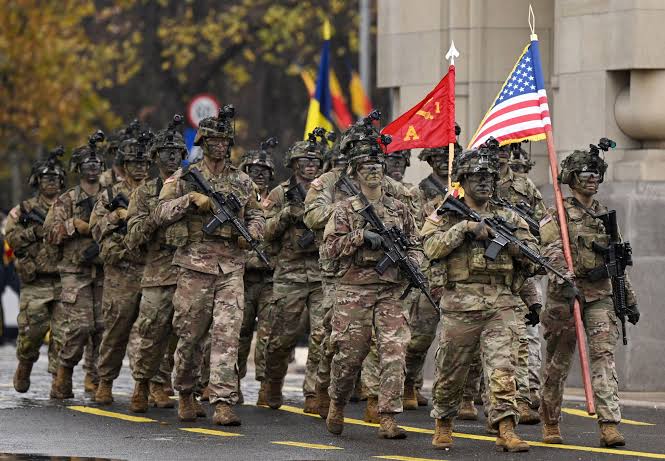
The United States is preparing to withdraw about 200 troops deployed to Nigeria earlier this year to support the fight against Islamist militants, with the main contingent expected to leave by late September.
The planned withdrawal was reported by The New York Times on Thursday, citing US military officials as well as American and Nigerian officials familiar with the deployment. The report said the relatively small US presence had produced results that officials considered significant.
While most of the troops are expected to leave, smaller teams of US trainers and intelligence analysts are likely to remain in Nigeria. The continuing presence would allow Washington to maintain security cooperation and intelligence sharing with Nigerian authorities.
US officials reportedly view the Nigeria deployment as a potential model for future American counterterrorism operations in Africa. The development comes after a joint US-Nigeria operation in May that targeted senior Islamic State leadership in the Lake Chad Basin.
Dagvin Anderson, commander of US Africa Command, said last month that the US had already withdrawn many troops following the operation that killed Abu-Bilal al-Minuki, identified as the second-in-command of ISIS. Anderson said the strike significantly weakened ISIS leadership in Nigeria and beyond.
He also said Nigerian forces had remained active since the operation, particularly in efforts to prevent terrorist groups from rebuilding their capacity and becoming self-sufficient. AFRICOM has indicated that its intelligence partnership with Nigeria will continue despite the reduction in US personnel.
The troop withdrawal comes amid broader security and diplomatic discussions between Washington and Abuja. The two countries recently held their second round of talks in Washington through a joint working group focused on the protection of Christian communities in Nigeria’s Middle Belt.
The security situation, however, remains complex. Nigeria faces threats ranging from ISWAP and Boko Haram insurgencies to banditry, farmer-herder clashes, militia activity and cult violence. Analysts have warned that Islamist militancy accounts for only part of the country’s wider insecurity, meaning the US troop reduction is unlikely to signal an end to Nigeria’s broader security challenges.