
Senate Promises Speedy Passage of State Police Bill as Committees Continue Work During Recess
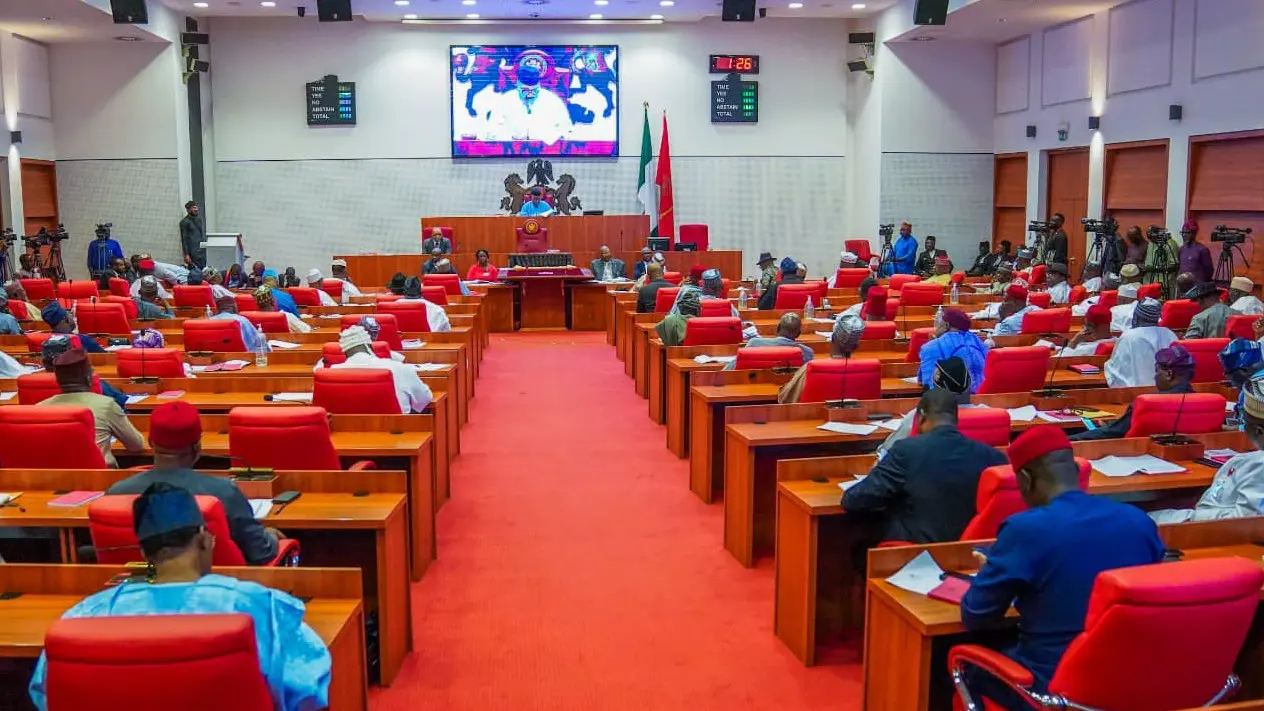
The Nigerian Senate has assured citizens that the ongoing harmonisation of the State Police Bill will not be delayed by the National Assembly’s annual recess, saying legislative committees remain active and committed to completing the constitutional amendment process.
Chairman of the Senate Committee on Media and Publicity, Yemi Adaramodu, gave the assurance in an interview, explaining that although lawmakers have suspended plenary sessions until September 14, committees of both chambers will continue working on key legislative matters.
The move comes amid growing public demand for the establishment of state police, a reform many stakeholders consider a major step towards addressing Nigeria’s worsening security challenges. The proposal has gained momentum after both the Senate and House of Representatives passed versions of the bill, with support from governors, state lawmakers and other stakeholders.
Adaramodu explained that the harmonisation process would continue during the break because committee activities are not affected by the suspension of plenary meetings.
“Our holiday does not stop harmonisation since we have committees. The National Assembly will resume on September 14 if we have anything to do. So, the recess doesn’t stop the committees of the two chambers from meeting,” he said.
The senator disclosed that the Constitution Review Committee, chaired by Deputy Senate President Barau Jibrin, is responsible for handling the state police amendment because it is a constitutional matter. He expressed confidence that the committee would complete the harmonisation before lawmakers return from recess.
According to Adaramodu, the State Police Bill has been separated from other constitutional amendment proposals because of its urgency and widespread support among Nigerians. He said combining it with other issues could slow down the process due to lengthy debates and public hearing requirements.
The Senate spokesperson also revealed that consultations had already been held with Speakers of the 36 state Houses of Assembly, whose approval is required before the constitutional amendment can take effect. He added that governors had also indicated their support for the proposed reform.
He said the positive response from state legislatures and governors would make the process smoother once the harmonised version is transmitted to them. Adaramodu expressed optimism that the entire process could be completed within about two months.
The Senate’s assurance comes shortly after the Presidency announced plans to present the draft Executive National Policing Bill to President Bola Tinubu on September 3. Chief of Staff to the President, Femi Gbajabiamila, who chairs the Presidential Working Group on the bill, said the proposed legislation is designed to create the operational framework for implementing a new policing structure.
While the constitutional amendment will provide the legal foundation for state police, the Executive National Policing Bill is expected to establish the practical guidelines, funding arrangements and implementation framework needed to make the system functional.