
Iran Recloses Strait of Hormuz, Shatters Hopes of Petrol Price Drop in Nigeria
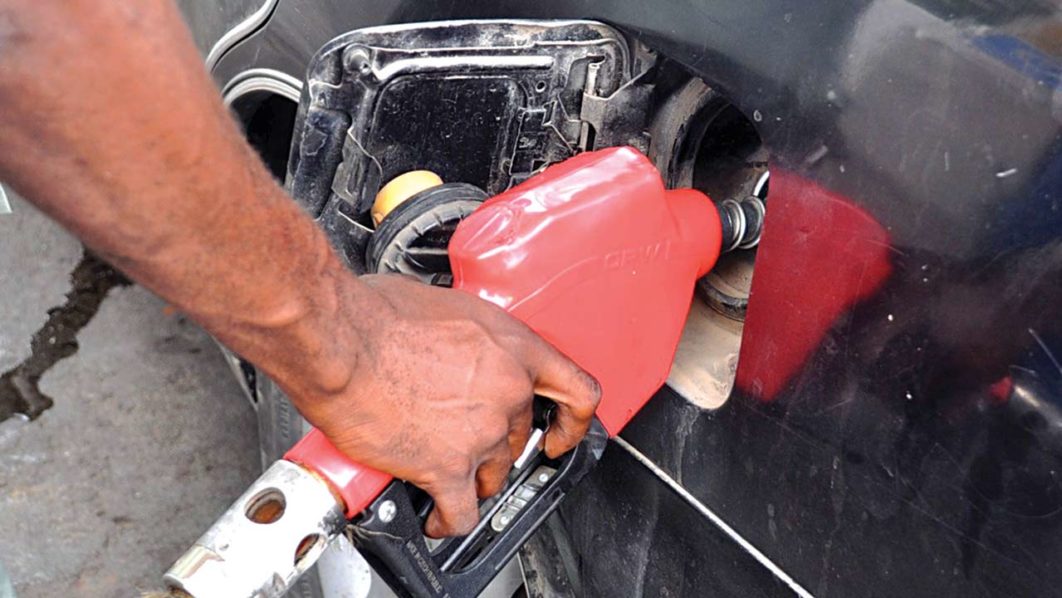
Fresh uncertainty in global oil supply has dealt a blow to expectations of cheaper fuel in Nigeria after Iran moved to reclose the Strait of Hormuz, a critical route for global crude oil shipments.
The development comes barely 24 hours after the waterway was reopened following a ceasefire agreement between Iran and the United States, a move that had briefly raised hopes of a drop in petrol prices.
Iranian authorities said the decision to shut the strait again was in response to continued restrictions on its ports, while reports indicated that military vessels fired at a merchant ship attempting to pass through the channel.
The Strait of Hormuz handles roughly 20 per cent of globally traded oil, making any disruption a major factor in international energy pricing and supply stability.
In Nigeria, fuel marketers had earlier projected that petrol prices could fall significantly—from about ₦1,250 per litre to around ₦900—if the reopening had been sustained.
However, the spokesman of the Petroleum Products Retail Outlet Owners Association of Nigeria, Joseph Obele, said the renewed closure has effectively halted those expectations, with prices likely to remain unchanged for now.
He noted that any meaningful reduction in fuel costs would depend on a lasting resolution between Iran and the United States, as ongoing tensions continue to influence crude oil prices.
Global oil markets have shown only modest reactions so far, with Brent crude trading around $90 per barrel, slightly up from previous levels but still below recent peaks recorded during earlier stages of the crisis.
Meanwhile, US President Donald Trump accused Iran of violating the ceasefire agreement, alleging that attacks on vessels in the strait undermined diplomatic efforts to stabilise the situation.
He warned of potential military action targeting Iranian infrastructure if a broader agreement is not reached, further escalating tensions in the region.
Negotiators from both sides are expected to meet again in Islamabad, Pakistan, as efforts continue to salvage the fragile ceasefire before its scheduled expiration.
For Nigeria, the renewed disruption underscores how global geopolitical tensions continue to directly impact domestic fuel prices, leaving consumers exposed to volatility beyond the country’s control.