

The 2026 FIFA World Cup will unfold without some of football’s most storied nations. As kickoff approaches on 11 June, the tournament landscape has already been reshaped by historic absences. Spain, England, Brazil, Argentina, France, and Portugal remain in contention, but the tournament will proceed without several former heavyweights, leaving fans stunned.

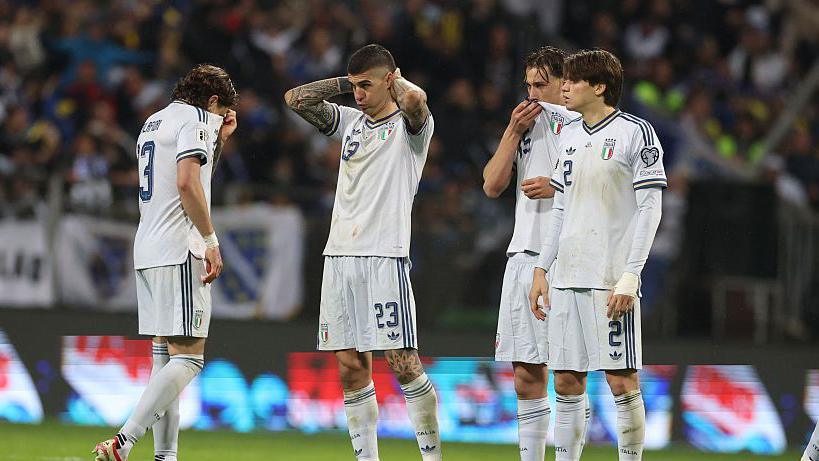
Italy, four-time world champions and 12th in the FIFA rankings, failed to qualify for a third consecutive World Cup after losing to Bosnia and Herzegovina in a playoff final on 31 March. Despite taking the lead through Moise Kean, extra time and a penalty shootout ended their hopes. For Gli Azzurri, this absence signals a full-blown identity crisis.
Denmark, ranked 20th, were eliminated on penalties by the Czech Republic after a 2-2 draw in the playoff semi-finals, leaving the Red and Whites on the sidelines despite a reputation for consistency in European tournaments.

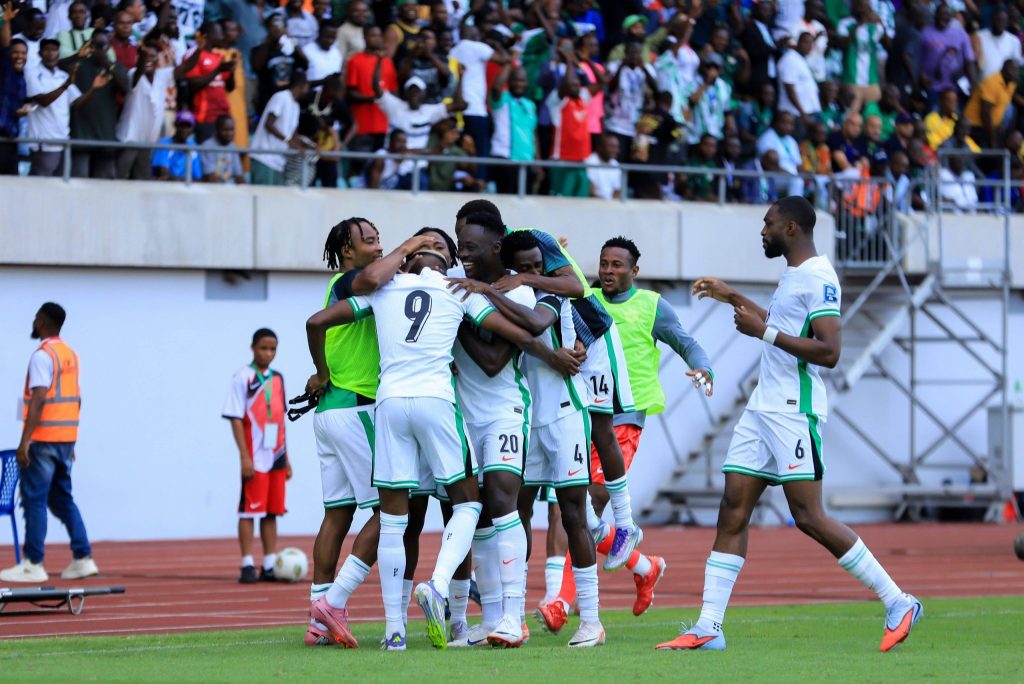
Nigeria, Africa’s Super Eagles, ranked 26th, also missed out after losing to DR Congo on penalties in the CAF playoff final. For a nation that has been a regular World Cup participant since 1994, this marks a second consecutive cycle without qualification, leaving stars like Victor Osimhen and Ademola Lookman unable to showcase their talents on football’s biggest stage.
Poland, ranked 35th, fell to Sweden in a playoff after twice leveling the match at 2-2, with Viktor Gyökeres scoring the decisive goal. Robert Lewandowski may now face the reality of a World Cup-free conclusion to his international career.
Cameroon, Africa’s Indomitable Lions and 1990 quarter-finalists, will also miss the tournament after being eliminated by DR Congo in CAF qualification, denying players like Bryan Mbeumo and Carlos Baleba the chance to compete.
Every World Cup tells a story of both rising contenders and fallen giants. The 2026 edition will be remembered as much for those who won’t be there as for the stars who will, proving that football’s legacy is shaped not only by triumphs but also by absence.