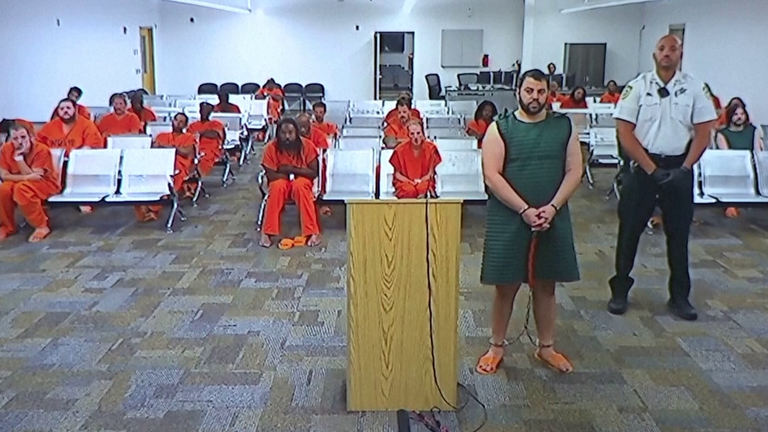
USF Double Murder Case: Suspect Allegedly Asked ChatGPT About Disposing Body Before Students Vanished
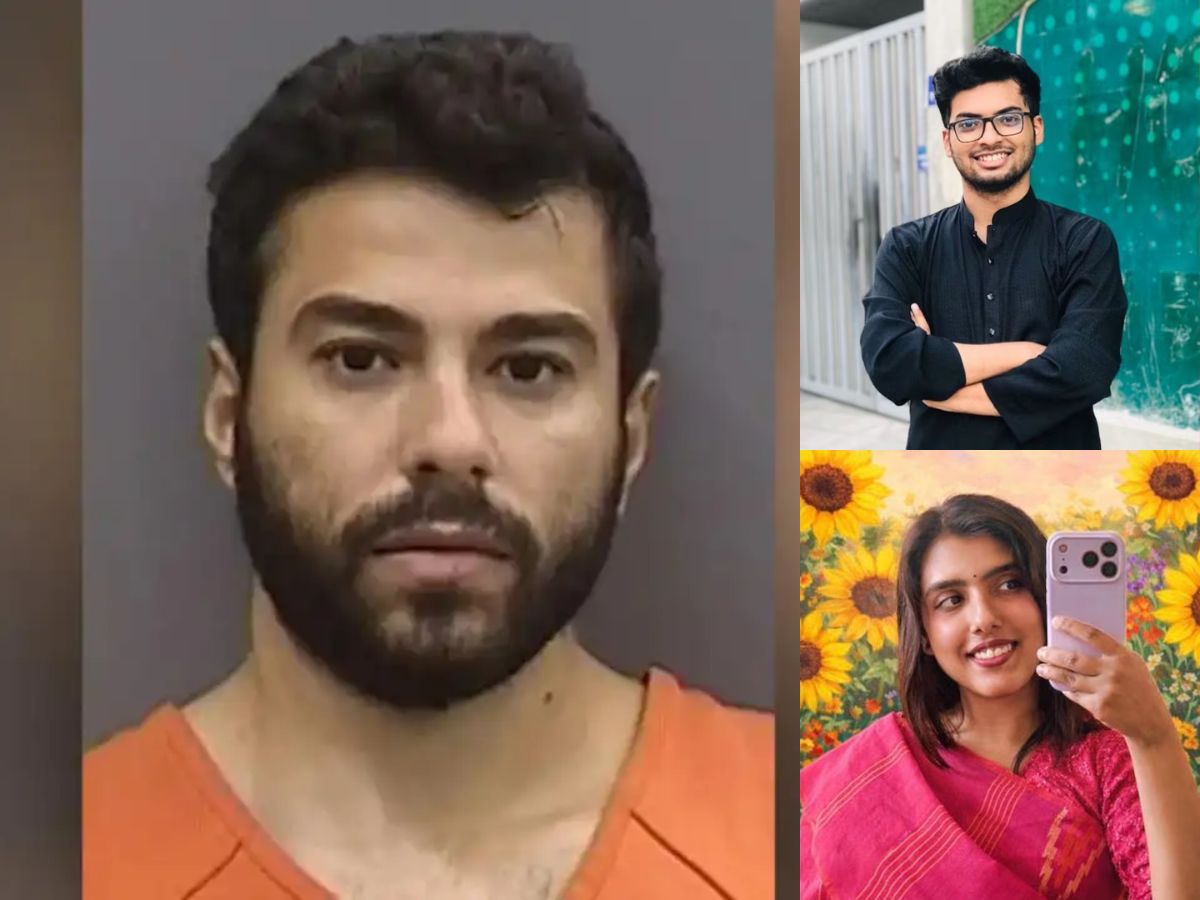
A disturbing murder investigation involving two University of South Florida doctoral students has taken a darker turn, with court filings alleging the suspect searched ChatGPT for ways to dispose of a body days before the victims were last seen alive.
Authorities say 26-year-old Hisham Abugharbieh has been charged with two counts of first-degree murder with a weapon in the deaths of his roommate, Zamil Limon, and fellow student Nahida Bristy, both 27.
The students were last seen on April 16. A mutual friend reported them missing the following day after failing to reach either of them, triggering a police investigation that quickly escalated into a homicide case.
According to prosecutors, Limon’s remains were later discovered near a Tampa bridge. His body was found inside multiple black trash bags and showed signs of severe decomposition. Court documents describe deep cuts to his hips and bound wrists and ankles, suggesting an attempt to conceal and transport the body.
Medical examiners determined Limon died from multiple stab wounds and sharp force injuries to his abdomen and lower back. Investigators say human remains believed to be linked to Bristy were later recovered from nearby waterways, though official identification is still pending.
Prosecutors allege the second victim may have been disposed of in a similar manner, reinforcing suspicions of a coordinated and premeditated attack.
A central focus of the case is digital evidence reportedly recovered from the suspect’s online activity. Court filings claim Abugharbieh used ChatGPT in the days leading up to the disappearances to ask questions about concealing a body in a black bag and whether such actions could be detected. He also allegedly made inquiries about changing vehicle identification numbers and avoiding detection in public spaces.
Investigators further outlined a timeline that places the suspect’s vehicle near Clearwater Beach at the same time one victim’s phone last pinged in the area. Surveillance and location data are said to form a key part of the prosecution’s case.
The filings also detail suspicious purchases allegedly made before the incident, including cleaning supplies, trash bags, duct tape, fire-starting materials, and other household items. Prosecutors argue these purchases align with efforts to conceal evidence.
Inside the apartment, investigators reportedly found blood evidence, damaged areas consistent with a human-sized outline, and discarded items linked to the victims, including personal belongings found in a trash compactor.
A third roommate told detectives he witnessed Abugharbieh disposing of multiple boxes around the time the students disappeared. Some of those boxes allegedly contained bloodied clothing and personal items belonging to the victims.
Abugharbieh has denied involvement in the killings. During questioning, he reportedly gave inconsistent explanations for his movements and injuries, including claims that cuts on his body came from everyday activities. He also told investigators he had dropped the victims off alive at a beach location.
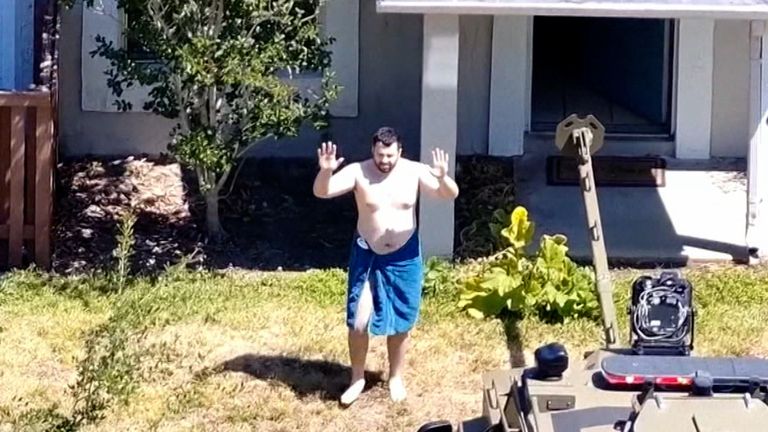
Authorities say he was arrested after a brief standoff, during which he surrendered to police outside a residence. He is currently being held without bond ahead of a detention hearing.
Prosecutors have described the case as one involving strong evidence of premeditation and have argued that the suspect remains a danger to the public. A final motive has not yet been established.
The case has sent shockwaves through the USF community, with officials confirming that Abugharbieh was not a student or staff member at the university. Families of both victims continue to receive support as the investigation moves forward.