
Several African and Caribbean countries, including Nigeria and Jamaica, could face visa restrictions to the United Kingdom if Reform UK wins the next general election, the party has announced.
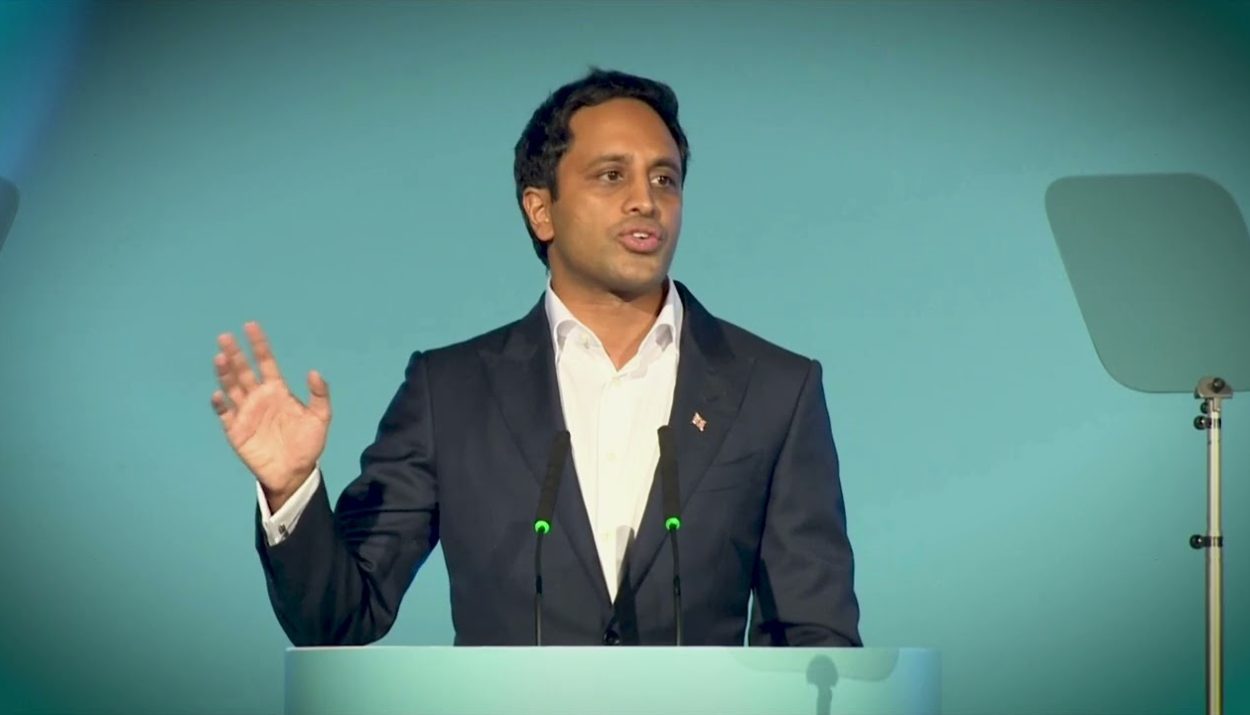
The policy targets nations that have formally called for reparations for slavery, amid growing debates over historical accountability. Reform UK’s home affairs spokesperson, Zia Yusuf, defended the proposal, arguing that countries requesting reparations have already received significant aid and visa access from the UK over the past two decades.
“Astonishingly, these countries have received 3.8 million visas and £6.6 billion in foreign aid over the past 20 years. Enough is enough,” Yusuf said.
Other nations flagged by Reform UK include Kenya, Haiti, Guyana, Barbados, and The Bahamas. The announcement comes weeks after a United Nations vote urging former colonial powers to pay reparations for slavery. The UN resolution described the forced displacement of Africans as one of the “gravest crimes against humanity,” though Britain abstained from the vote.
Reform UK leader Nigel Farage criticized the UN’s position, asserting that the organization has no authority to dictate reparations. The party also pledged to cap foreign aid spending at £1 billion annually, a reduction of roughly 90% from current levels.
A UK Foreign Office spokesperson acknowledged the horrors of the transatlantic slave trade but reiterated that the government’s position on reparations remains unchanged. Opposition leader Keir Starmer has similarly rejected reparations, emphasizing the need to focus on future development rather than historical apologies.
The call for reparations reflects the enduring impact of slavery. Centuries ago, millions of Africans were forcibly removed from their homes, sold into slavery across the Americas and Europe, and subjected to systemic violence. These atrocities have left generational scars, shaping societies long after abolition.
Modern advocacy for reparations has been led by countries such as Ghana and groups including the Caribbean Community (CARICOM) and the African Union. In March and April 2026, the UN General Assembly adopted a resolution classifying the trafficking of enslaved Africans as the “gravest crime against humanity.” The vote, supported by 123 nations, urged former colonial powers to engage in dialogue, issue apologies, and consider restitution of cultural items.
The ongoing debate highlights a clash between historical justice and contemporary political priorities, with Reform UK proposing strict measures against nations demanding accountability for centuries-old injustices.