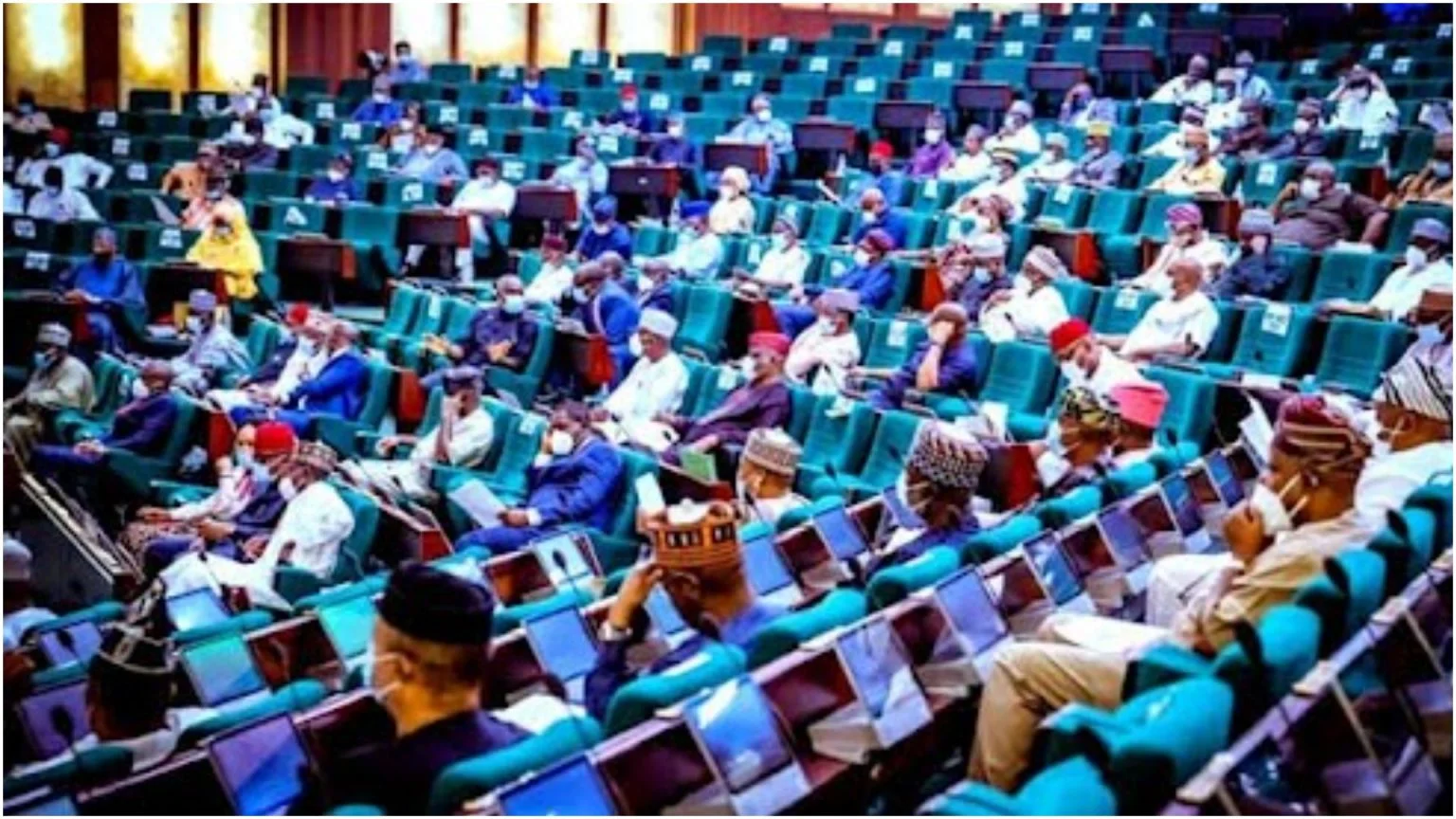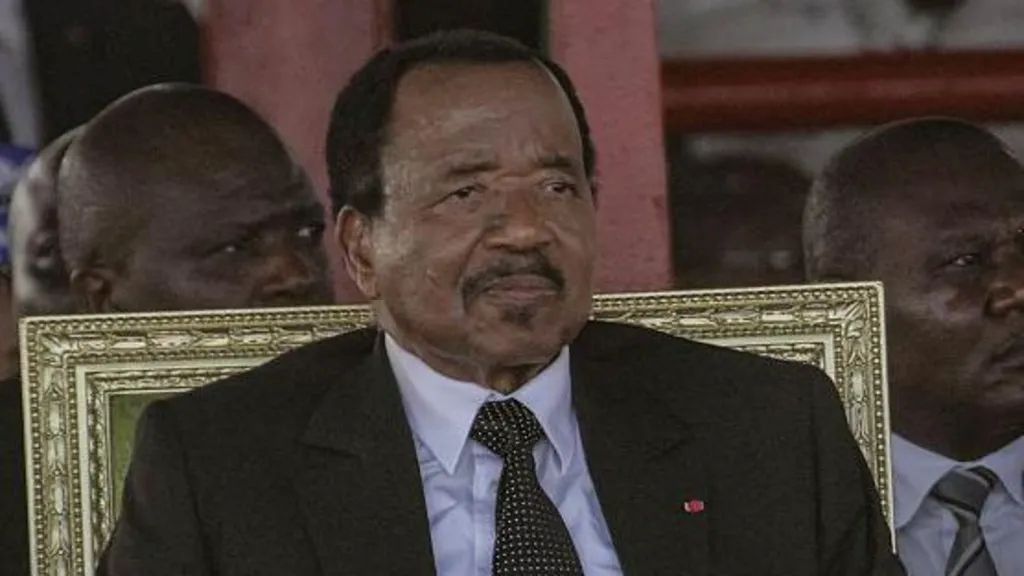

Cameroon has approved a major constitutional change that could redefine its political future, introducing a vice-president position for the first time in over four decades under President Paul Biya.
The amendment, passed by parliament with a strong majority, means that if anything happens to the 93-year-old leader, the newly created vice-president will automatically assume office and complete the remainder of the presidential term.
For a country long dominated by one man, this is not just a structural tweak—it’s a signal that succession is finally being formalised, even if the details remain controversial.
Biya, who has ruled since 1982 and is currently the world’s oldest sitting head of state, has governed without a clear transition framework since the vice-presidency was scrapped in 1972. Until now, the Senate president was designated to act temporarily before fresh elections were organised.
That system has now been replaced.
Under the new arrangement, the vice-president—appointed directly by the president—will step in as head of state without triggering an immediate election. Supporters argue this ensures continuity and reduces political uncertainty during a transition.
Critics, however, see something very different.
Opposition figures have condemned the reform as rushed and lacking transparency, accusing the government of tightening its grip on power. Some lawmakers, including members of the ruling party, reportedly questioned the process, describing it as “suspicious.”
The Social Democratic Front (SDF) boycotted the vote, insisting that if a vice-president must exist, the role should be elected alongside the president—not appointed. The party also pushed for a system that reflects Cameroon’s linguistic divide between English-speaking and French-speaking regions.
“This could have been a moment of political courage,” said SDF chairman Joshua Osih. “Instead, it is a missed historic opportunity.”
Even stronger criticism came from opposition leader Maurice Kamto, who described the move as a “constitutional and institutional coup,” warning that it risks entrenching what he called a “republican monarchy.”
Beyond the politics, there’s an underlying reality driving the change: uncertainty over succession.
For years, speculation about Biya’s health has circulated quietly, often dismissed publicly but widely discussed in private. His long absences from public view have only intensified those conversations.
Now, with the vice-presidency reinstated, attention shifts to a new question—who will be chosen?
Because in a system where the president appoints his potential successor, the decision could shape Cameroon’s future long after Biya’s tenure ends.