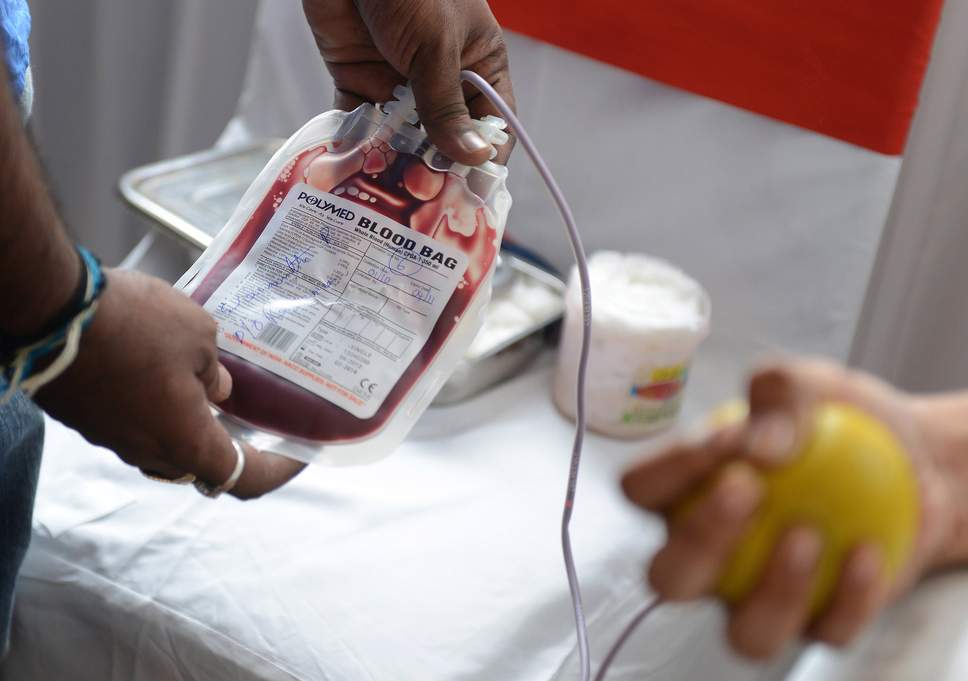

A severe shortage of blood donors, especially those with A blood group, is threatening the survival of victims injured in recent triple suicide bombings in Maiduguri, health workers and residents have warned.
Several injured individuals are receiving treatment at the University of Maiduguri Teaching Hospital and other medical facilities across the city, with some reported to be in critical condition and urgently in need of blood transfusions.
A health worker, speaking on condition of anonymity, urged the public to donate immediately. “Please, if you or anyone you know has A blood group and can donate, kindly reach out immediately. Your support can save a life,” the source said.
Relatives of victims, including Mallam Usman Mohammed and Babagana Yusuf, also appealed to residents, particularly eligible donors, to visit hospitals and treatment centres to assist in the emergency response. The ongoing Ramadan fast has worsened the shortage, as many potential donors are unable to give blood during fasting hours.
The Borno State Police Command confirmed that at least 23 people were killed and 108 others injured in the coordinated explosions, though some sources suggest the casualty figure could be higher.
In a related update, the Joint Task Force North East Operation HADIN KAI warned of increased threats of further suicide attacks in the North-East during the final days of Ramadan. In a statement, spokesman Lt. Col. Sani Uba highlighted recent attacks in Maiduguri, including Monday Market, the Post Office area, and the entrance of UMTH, as evidence of terrorist groups like Boko Haram and ISWAP targeting crowded civilian areas.
The task force noted that such groups often escalate attacks during major religious periods, particularly towards the end of Ramadan when mosques, markets, and other public spaces see increased activity. Residents were urged to remain vigilant, report suspicious activities, and cooperate with security personnel, especially during night prayers like Taraweeh and Tahajjud. Parents were advised to monitor their children’s movements, and community leaders, market associations, and transport unions were encouraged to support public sensitisation efforts.
Security agencies have heightened patrols, surveillance, and protective measures across critical locations to prevent further attacks and ensure a peaceful end to Ramadan and upcoming Eid celebrations. The statement emphasized, “Public cooperation remains a critical component of counter-terrorism efforts. If you see something, say something. Security is everyone’s responsibility.”