
A group of U.S. lawmakers has introduced the Nigeria Religious Freedom and Accountability Act of 2026, a proposed legislation aimed at strengthening protections for religious minorities and holding Nigeria accountable for acts of religious violence.
The bill, sponsored by Chris Smith, Riley Moore, Brian Mast, Mario Diaz-Balart, and Bill Huizenga, would require the U.S. Secretary of State to submit periodic assessments to Congress detailing Nigeria’s compliance with international religious freedom standards and actions taken to protect vulnerable communities.
If enacted, the legislation would also authorize U.S. authorities to impose targeted sanctions, provide humanitarian assistance, and develop security cooperation frameworks to combat impunity for perpetrators of religious violence.
Lawmakers cited alarming statistics showing that between 2009 and 2025, 50,000 to 125,000 Christians were killed in Nigeria, with over 19,000 churches destroyed. They referenced attacks in Yelwata, Christmas Eve massacres of 2023 and 2024, and Holy Week and Easter attacks of 2024 and 2025, which together left more than 9,500 people dead and displaced over half a million others. According to Open Doors’ 2026 Watch List, Nigeria accounts for 72 per cent of Christians killed worldwide.
The bill highlights cases such as Rhoda Jatau and Deborah Yakubu, who suffered mob violence, imprisonment, or death over alleged blasphemy, while perpetrators largely went unpunished.
Sponsors praised former U.S. President Donald Trump for redesignating Nigeria as a Country of Particular Concern (CPC) and argued that the Nigerian government has historically failed to prevent or respond adequately to religiously motivated attacks.
The legislation also proposes that the Secretary of State determine whether certain Fulani-ethnic militias in Nigeria qualify for designation as Foreign Terrorist Organisations, with the Departments of State and Treasury empowered to impose Global Magnitsky sanctions on individuals or entities responsible for severe violations.
The bill specifies potential targets for sanctions, including:
- Fulani-ethnic nomad militias in Nigeria
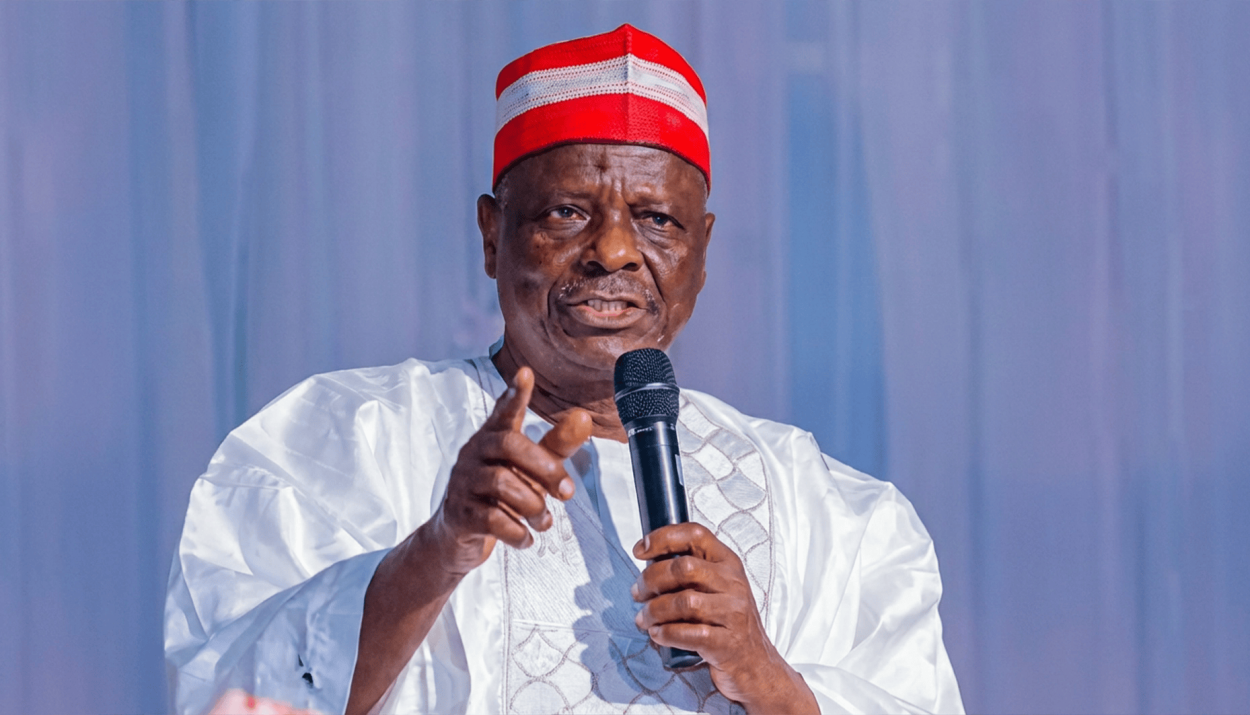
- Rabiu Musa Kwankwaso, former Kano State Governor
- Miyetti Allah Cattle Breeders Association of Nigeria (MACBAN)
- Miyetti Allah Kautal Hore
Additionally, the legislation calls for U.S. humanitarian assistance, co-funded by the Nigerian government, delivered through trusted civil society and faith-based organizations in Nigeria’s Middle Belt. It encourages collaboration with international partners such as France, Hungary, and the United Kingdom to promote religious freedom and peace.
Lawmakers warned that future U.S.–Nigeria relations could hinge on Nigeria’s response to these atrocities. They noted that Nigeria could strengthen its role in regional stability, particularly in the Sahel, if it takes concrete steps to combat persecution and protect vulnerable communities.