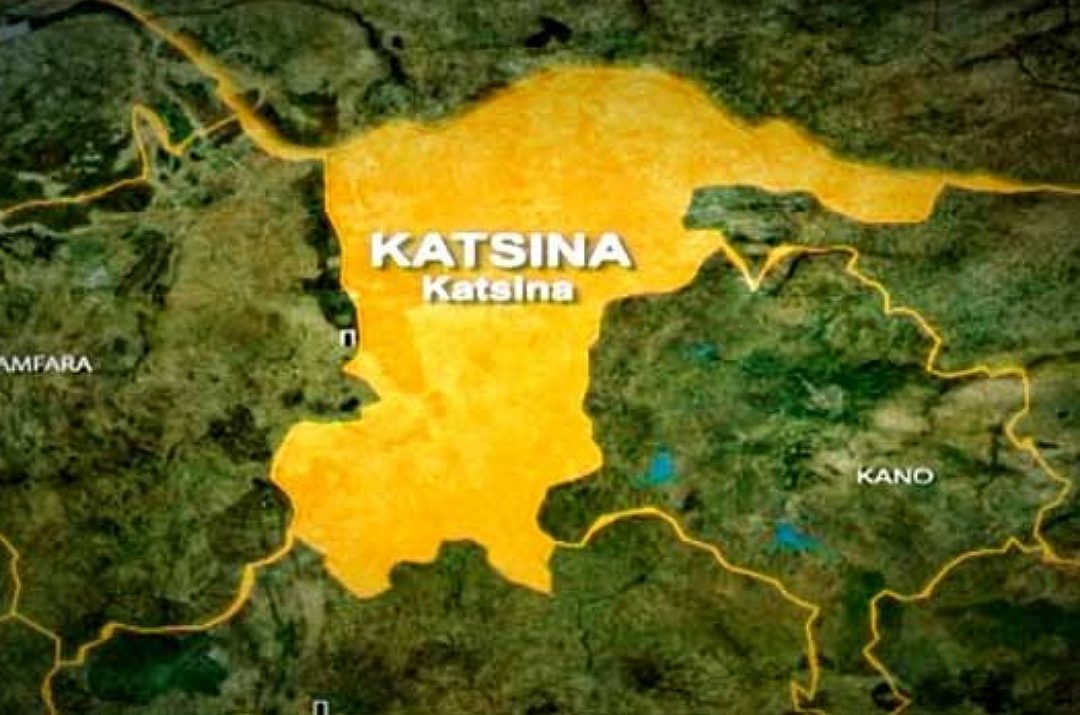

A disturbing wave of rural insecurity in Katsina State took a deadly turn on Monday, August 4, as kidnappers shot and killed a farmer, Malam Magaji Kankara, shortly after abducting him from his farmland on the outskirts of Kankara Local Government Area.
The brutal killing was confirmed by security analyst @Bakatsine, who posted an urgent alert on social media platform X (formerly Twitter), stating that the farmer was murdered almost immediately after being taken. “He was shot dead shortly after being taken. Sadly, such kidnappings happen almost daily in the area,” the analyst wrote.
This incident adds to the growing fear among rural dwellers in Katsina, especially in Kankara, a district already notorious for its persistent cases of banditry, abductions, and farmer-targeted violence. Locals say attacks are now so frequent that many have abandoned their farms altogether.
Despite several military operations in the North-West, including aerial bombardments and joint task force deployments, bandit groups continue to operate with impunity. Just last month, five schoolchildren were abducted along the same Kankara axis, prompting renewed calls for government intervention.
The victim, Magaji Kankara, was described as a respected and hardworking father of six. His sudden death has sparked outrage in the community, with residents staging a quiet protest to demand better protection from security agencies.
Security experts warn that the rising trend of immediate execution after abduction is a shift in tactics, signaling either desperation or a desire to terrorize and discourage ransom negotiations. Many residents are now demanding the creation of rural response units, tailored to address the peculiar terrain and logistics of farming villages.
The Katsina State Government is yet to release an official statement on the latest killing, but sources within the Kankara vigilante network say patrols have been doubled and intelligence gathering has been intensified. However, confidence remains low among locals who feel abandoned in the face of such recurring tragedy.