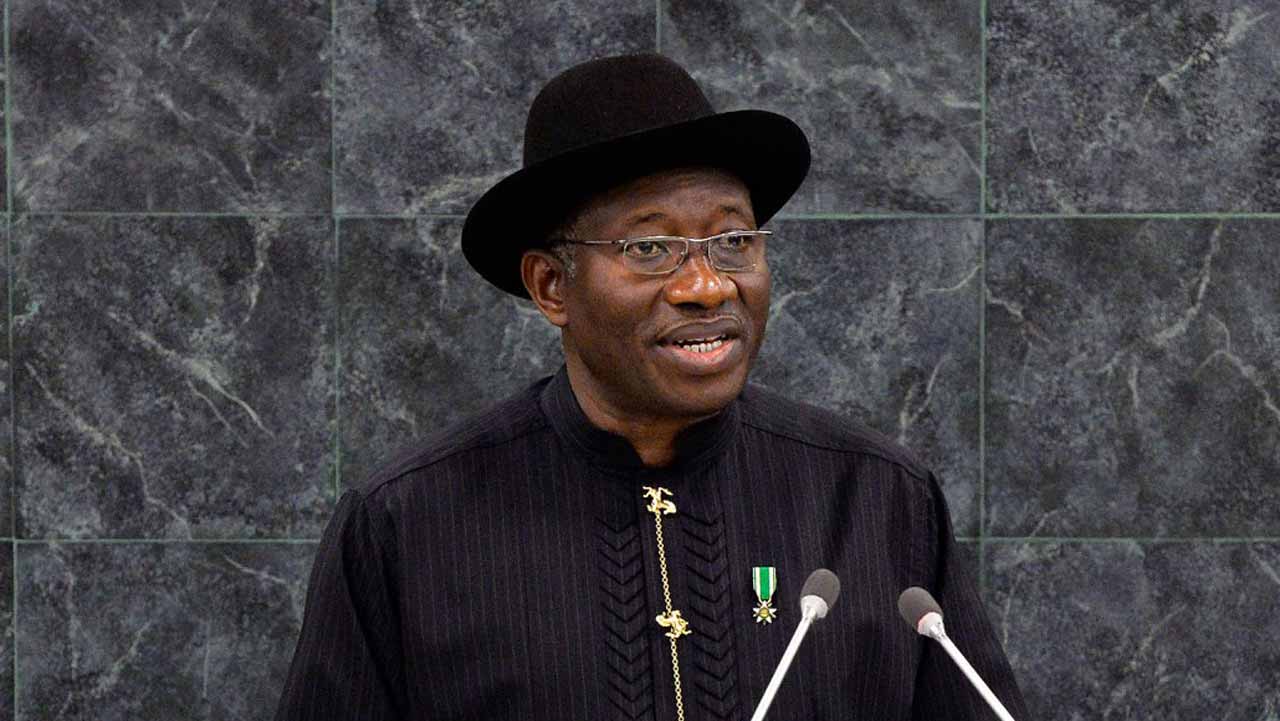

Calls are mounting, particularly from northern political groups, urging former president Goodluck Jonathan to re-enter the 2027 presidential race—a pressure campaign that has intensified in recent weeks. Yet, the ex-president remains publicly quiet, making no statements to address the growing clamor around his possible return to the political arena.
Jonathan, who served as Nigeria’s president between 2010 and 2015, arrived in office after the passing of Umaru Musa Yar’Adua and later won a full term in 2011. Defeated in 2015 by the All Progressives Congress, speculation about a comeback has drawn both praise and criticism, with many Northern stakeholders citing the need for national unity and continuity under a familiar leader.
Despite a Federal High Court judgment in Yenagoa in 2022 clearing Jonathan’s eligibility to contest again, legal hurdles and constitutional doubts remain. The court ruled that the constitutional amendment barring a vice-president who succeeded cannot be applied retroactively to disqualify him. Still, ambiguity lingers, adding complexity to his potential candidacy.
Some political commentators, like former senator Shehu Sani, suggest Jonathan should decline the push to run, arguing the ruling People’s Democratic Party (PDP) has evolved and that his return could obscure opportunities for new leadership. A similar warning comes from lawyer Dele Farotimi, who asserts public sentiment that ousted Jonathan in 2015 for valid reasons may not support his resurgence.
PDP insiders also voice reservations. Dr. Adetokunbo Pearse, a Lagos PDP stalwart, downplayed Jonathan’s chances of securing the party ticket. He cited Jonathan’s lengthy absence from active party politics, lack of funding, and absence of grassroots support as significant obstacles—suggesting he may struggle to mobilize delegates in competitive primaries.
Others see the pressure as symbolic of nostalgia and regional bargaining rather than a serious push. With the presidency zoned to the South, Jonathan fits the criterion—but critics argue that youthful, reform-minded candidates like Governor Seyi Makinde of Oyo State represent the future rather than a return to the past.
For now, Jonathan’s silence continues to fuel speculation. As PDP and national politics brace for the 2027 contest, the question remains: will nostalgia and regional strategy outweigh calls for generational change—and will Jonathan break that silence?