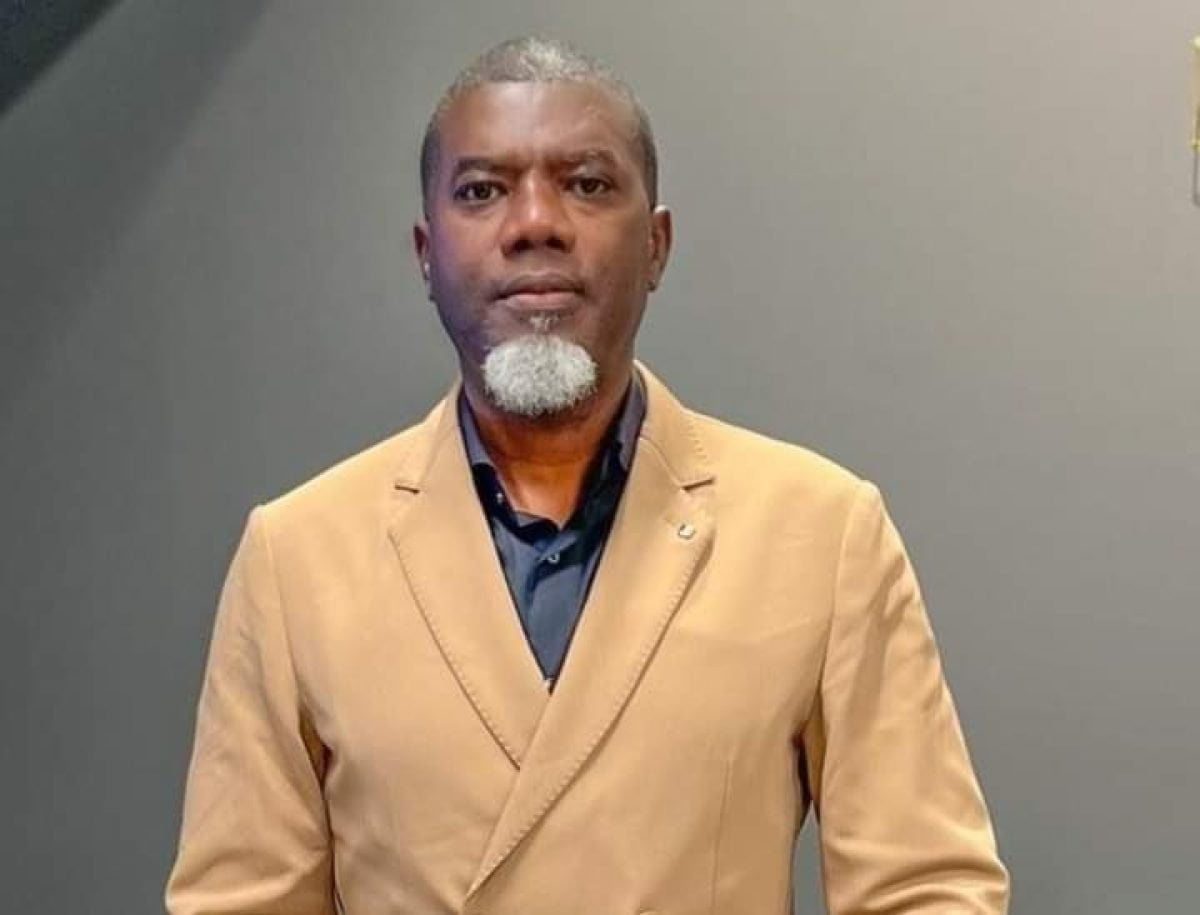

Reno Omokri, former presidential aide and known online provocateur, has openly declared that content creation on social media is his only stream of income. Speaking during a candid appearance on Arise TV on Tuesday, July 9, 2025, Omokri admitted, “I make up to $1,000 a post,” effectively confirming long-standing speculation that his online activism doubles as a monetized business.
The controversial figure, who once served as Special Assistant to President Goodluck Jonathan, revealed that he operates entirely as a content creator, with no formal employment or political appointment. This revelation has sent shockwaves across Nigeria’s digital and political communities, especially among critics who have long accused him of being a paid influencer disguised as a political commentator.
Omokri’s disclosure has stirred fresh scrutiny over the authenticity of his public advocacy, particularly his aggressive defense of Northern political elites and constant attacks on Southern opposition figures. Many now question whether his posts are motivated by ideology or by lucrative brand deals masked as political opinions.
Financial figures from his past posts indicate a pattern. In a January 2024 Instagram story, Omokri shared a screenshot of an influencer marketing dashboard showing a $985 payment for a sponsored thread. While critics dismissed it as vanity, his Arise TV confession has now placed those claims into clearer perspective — he isn’t just tweeting for clout; he’s cashing in on controversy.
Beyond politics, Omokri runs a large following across Twitter (X), Facebook, Instagram, and YouTube, with a combined audience exceeding 2 million. His platforms regularly feature motivational content, religious commentary, paid promotions, and political hot takes — all curated to trigger high engagement, shares, and debates. His most viral post of 2025 — a tweet endorsing Bola Tinubu’s handling of the naira crisis — racked up over 2.3 million views and allegedly attracted multiple paid reposts.
Critics argue this monetized activism compromises the integrity of Nigeria’s public discourse, especially with increasing dependence on social media for political awareness. “Reno is not a patriot; he’s a brand. A human billboard for hire,” said one Lagos-based analyst who preferred anonymity. The debate is intensifying on whether prominent influencers should disclose when their opinions are sponsored.
As Nigerians grapple with economic hardship and rising unemployment, Omokri’s unapologetic admission may inspire a new wave of digital opportunism — or fuel deeper distrust of social media figures who blur the lines between advocacy and ad revenue. For now, one thing is clear: behind every viral post, there may be a price tag.