
Tears of shock and joy flowed freely at the Kirikiri Maximum Security Prison in Lagos as Ogbonna Igbojionu, now 48, walked out a free man after spending 26 years on death row for purchasing a generator later discovered to be stolen. He was only 22 years old when arrested in 1999—a decision that would unjustly consume nearly three decades of his life.
Ogbonna, who hails from Abia State, was convicted of armed robbery—a charge he consistently denied throughout his incarceration. Legal records indicate he had bought the generator from a third party without knowing it was stolen. He was swiftly convicted under the military-era Robbery and Firearms Decree, which carried a mandatory death sentence.

His release followed years of relentless advocacy from human rights lawyers, prison reform groups, and recent intervention from the Legal Aid Council of Nigeria. A Lagos High Court, upon reviewing his case this year, ruled that the evidence did not meet the threshold for a capital conviction. The judgment was overturned, and he was discharged immediately.
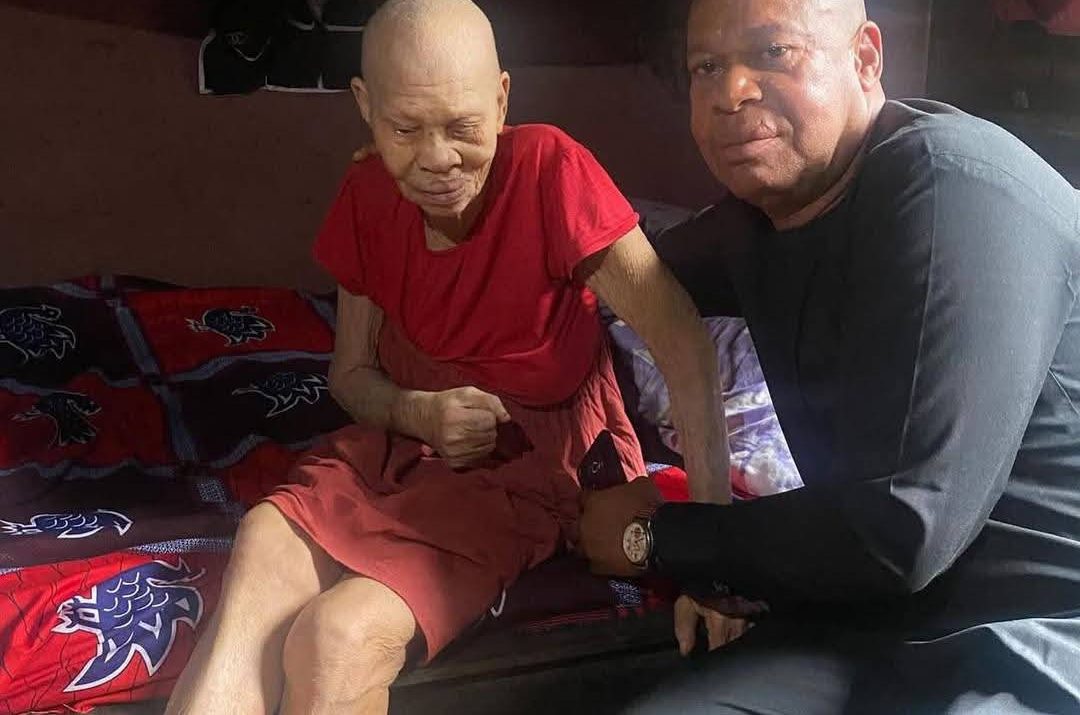
Ogbonna’s mother, who believed her son was long dead, collapsed upon seeing him walk through the prison gates. “They buried my child alive,” she sobbed as the two embraced for the first time since 1999. “God has brought him back.” The emotional moment has since gone viral, with video clips circulating widely on social media.
Prison authorities confirmed that Ogbonna was a model inmate, teaching fellow prisoners literacy and offering counseling. “He should have never been here in the first place,” said one officer. “We’re glad he walked out a better man, not a broken one.”
Justice reform advocates are now using his case to push for a review of hundreds of other inmates on death row, many of whom were convicted under questionable circumstances or outdated laws. According to Amnesty International, Nigeria currently has over 3,400 people on death row—the highest in sub-Saharan Africa.
Ogbonna has returned to Abia State to begin rebuilding his life, with help from non-profit organizations offering housing and mental health support. “They took my youth,” he said quietly, “but I still have my voice—and I will use it for others who are still trapped.”