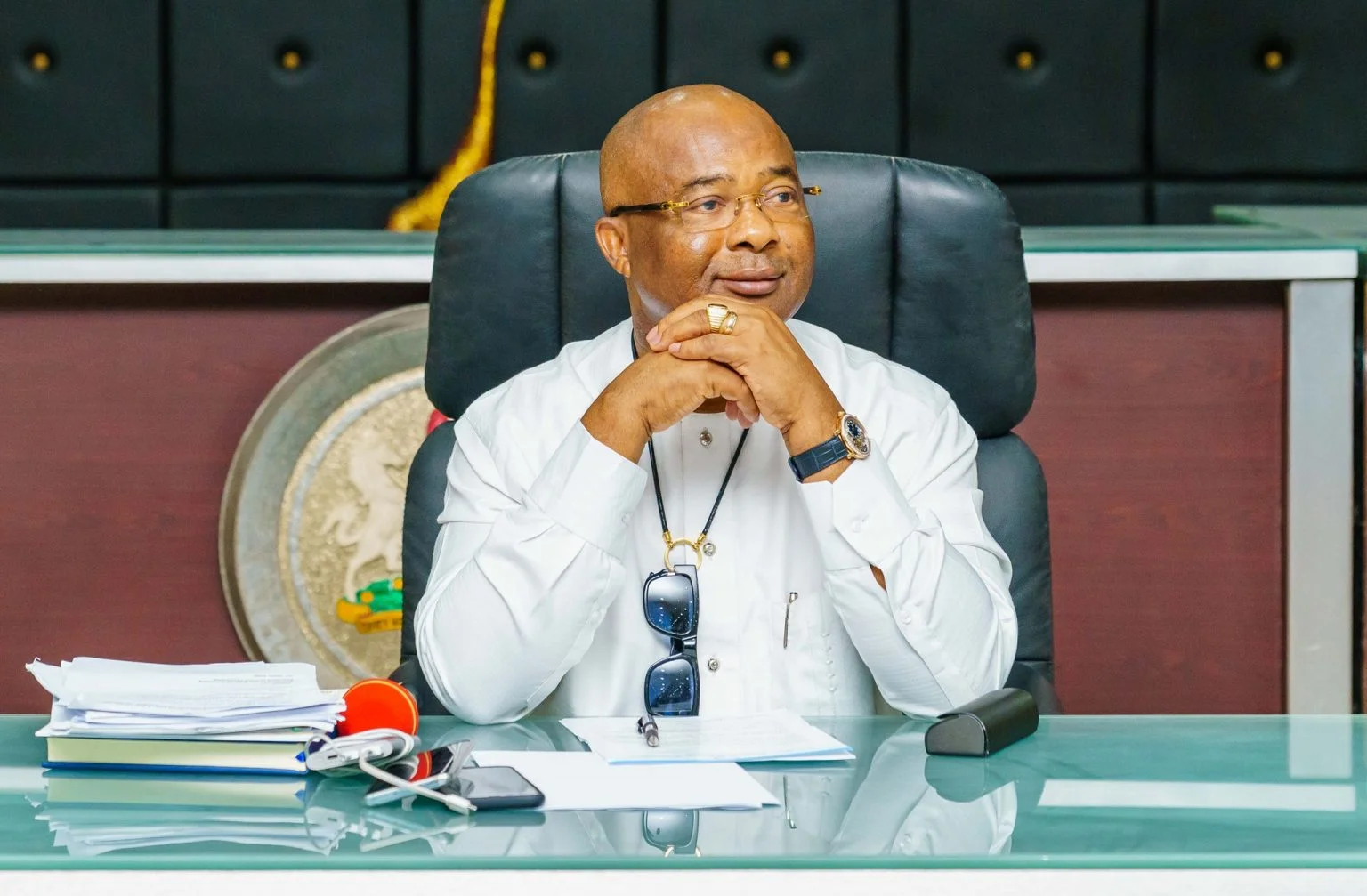

Mining operations across the Owerri capital territory have been officially shut down following a decisive order issued by Imo State Governor, Senator Hope Uzodimma, to curb environmental degradation and rising safety threats. The announcement, made public on Tuesday, June 4, 2025, by the Commissioner for Industry, Mines, and Solid Minerals, Rt. Hon. Ernest Ibejiako, marks a significant policy shift in the state’s environmental governance.
The ban, which affects key zones including the Army Barracks area and Obinze in Owerri West Local Government Area, takes immediate effect. The commissioner stressed that the directive was not selective and would be enforced “to the letter,” noting that no individual, company, or institution will be spared if found violating the order.
Concerns have mounted in recent months over the impact of unregulated mining activities in residential areas, especially within urban Owerri. Stakeholders had repeatedly warned that unchecked excavation could trigger underground water pollution, land instability, and long-term damage to the city’s infrastructure. The state government appears to be responding to these warnings with a zero-tolerance policy.
A dedicated monitoring team, according to Ibejiako, has already been constituted to oversee strict enforcement. The task force will patrol known mining zones and report any illegal operations for immediate shutdown and prosecution. “Anyone caught flouting this directive—no matter how highly placed—will face the full weight of the law,” he declared.
Ibejiako emphasized that mining may still be allowed in rural areas outside the capital, but only under strict regulation and renewed licensing. “This is about securing lives and safeguarding the future of our city. Environmental safety must not be sacrificed for profit,” he added.
The policy aligns with Uzodimma’s broader development agenda which has focused on urban renewal, environmental reforms, and infrastructural protection. Analysts suggest the move may also help attract green investors and reduce the risk of disasters associated with illegal mineral exploitation.
As the enforcement phase begins, the state government has urged communities to report any suspicious mining activities. The decision has been hailed by several civil society groups, though mining stakeholders have called for more dialogue and possible relocation strategies for affected operators.