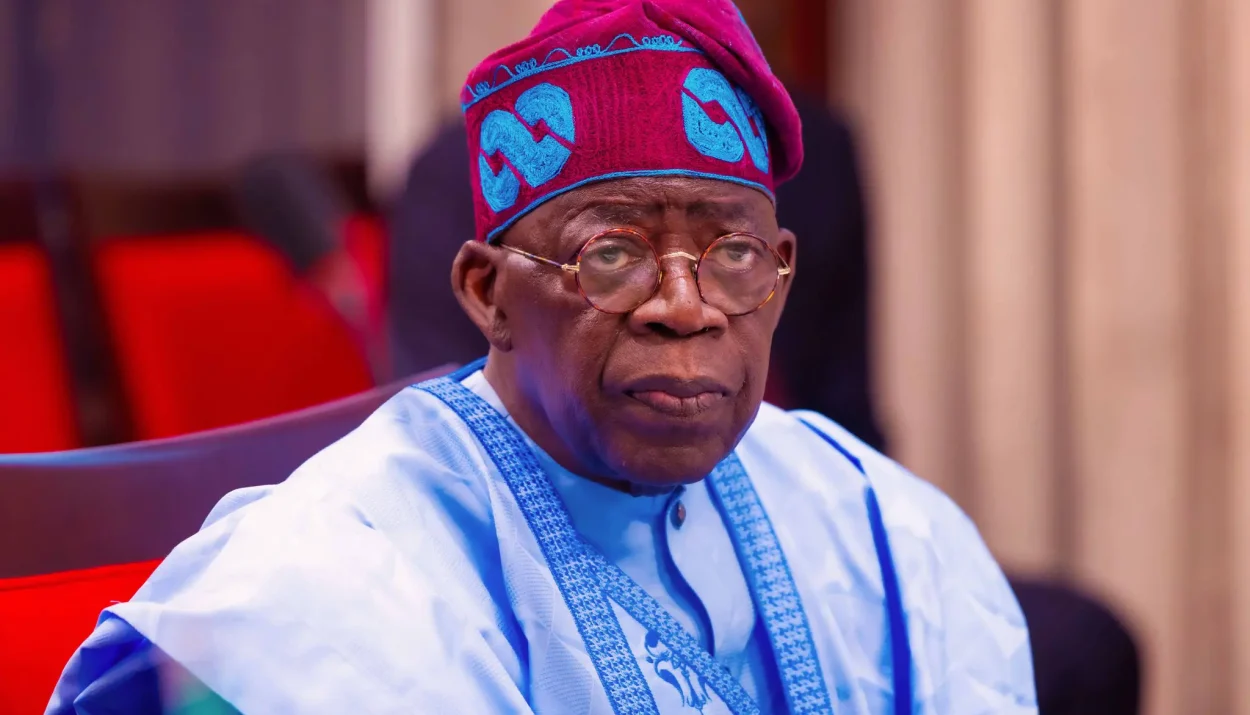

A presidential visit to Benue State took an unexpected turn on the morning of Wednesday, June 18, 2025, as President Bola Ahmed Tinubu’s convoy was engulfed in heavy flooding along the Lafia–Makurdi highway, forcing a dramatic halt to his trip and drawing urgent attention to Nigeria’s worsening infrastructure crisis.
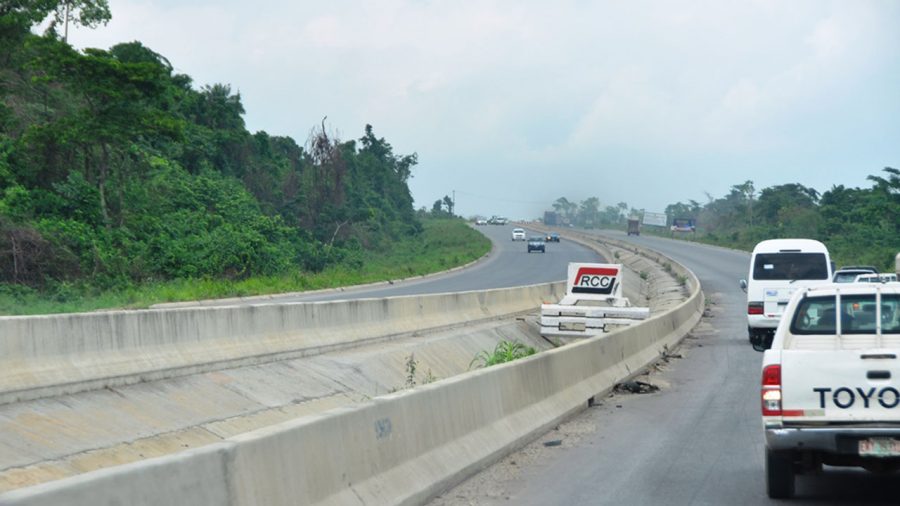
The incident occurred around 8:35 a.m. near Kadarko axis, where torrential overnight rains turned large portions of the highway into rivers, submerging vehicles and stalling movement for hours. Eyewitnesses told journalists that several SUVs in the presidential motorcade were trapped in waist-deep water, with security operatives scrambling to reroute or lift stalled vehicles.
Residents of the area say the road had been on the brink of collapse for years, with multiple government assurances never translating to actual repairs. The flooding, worsened by silted drainage systems and unchecked erosion, has become a seasonal nightmare for travelers in and out of the Middle Belt.
President Tinubu was en route to Makurdi on a scheduled visit following national outrage over the Yelewata massacre that left over 300 dead last week. His symbolic presence in the state was expected to offer some hope, but the disruption has added fresh layers of frustration to an already tense national mood.
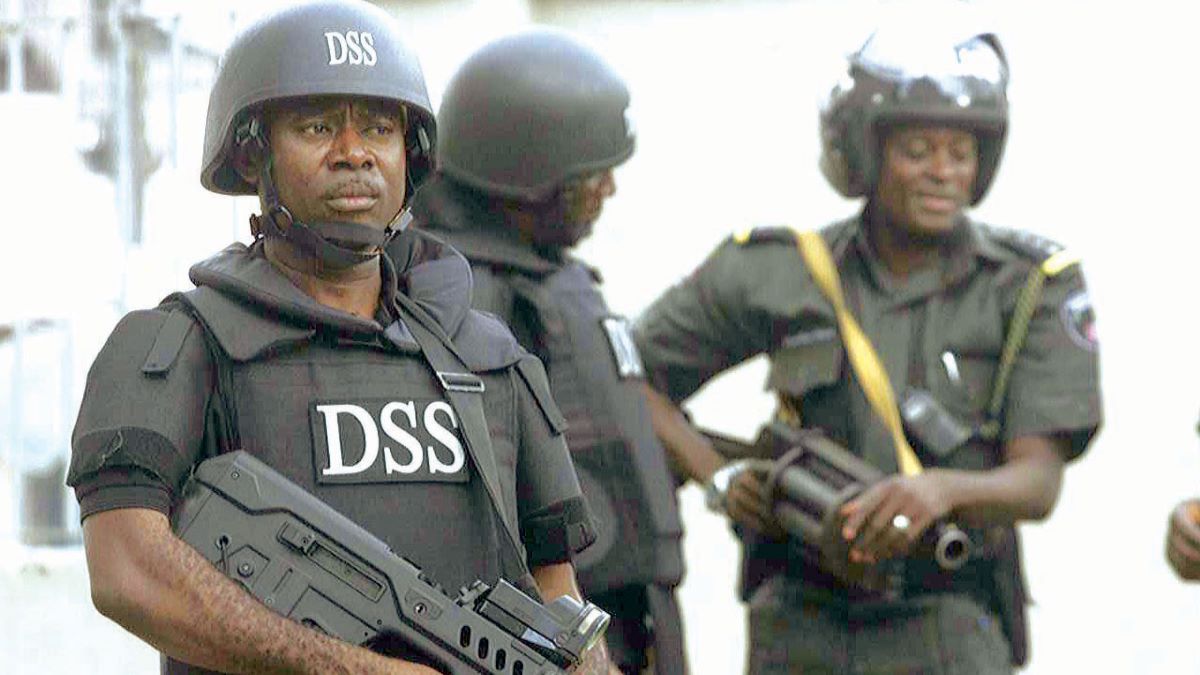
Sources within the Presidency confirmed that while no member of the entourage was injured, the incident delayed the president’s movement for over 90 minutes. The Department of State Services and the Federal Road Safety Corps quickly mobilized a detour, but not before images and videos of the stalled convoy went viral, sparking public commentary on Nigeria’s dilapidated roads and climate unpreparedness.
Critics and civil society groups wasted no time in calling out the irony of the situation. “This is a metaphor for Nigeria—drenched, broken, and stranded,” one activist tweeted. Others expressed hope that the President’s personal experience would finally trigger swift rehabilitation of the Lafia–Makurdi corridor, a critical lifeline connecting North Central states.
As calls for a state of emergency on infrastructure mount, analysts believe the President’s ordeal may force Abuja to revisit and prioritize longstanding flood mitigation projects and inter-state road maintenance, especially with the rainy season expected to intensify through August.