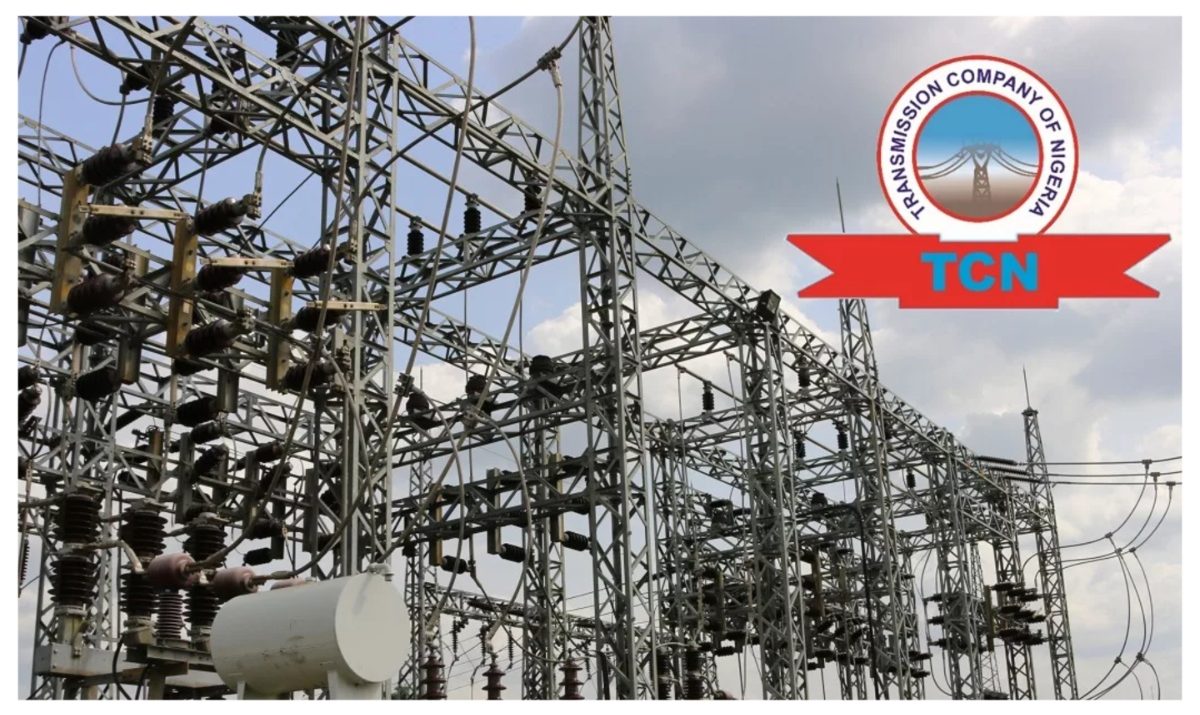

Residents across several North-East states are bracing for a complete electricity blackout following the Transmission Company of Nigeria’s (TCN) announcement of a five-day planned power shutdown, which began on Monday, June 10, 2025. The outage, which affects key cities including Yola, Damaturu, Jalingo, and Molai, is due to major construction work at the new 330kV Bauchi substation.
TCN disclosed the shutdown in an official memo signed by Engr. J.O. Joseph, the Regional Transmission Manager for the Bauchi Region. The power cut, scheduled to run from 10:00 a.m. on June 10 to 5:00 p.m. on June 14, is to facilitate the erection of Turn-In and Turn-Out transmission towers and enable safe crossing of the existing Jos–Bauchi–Gombe 132kV transmission line.
Communities reliant on the Jos-Gombe single circuit (SC) line will experience total blackout for the entire duration of the shutdown. These include major regional hubs like Jalingo in Taraba State, Yola in Adamawa, Damaturu in Yobe, and Molai in Borno. The impact is already being felt by residents, businesses, and hospitals dependent on stable electricity supply, with reports of increased reliance on diesel-powered generators.
Partial supply will be maintained in some areas. Gombe and Biu substations will receive limited power from the Dadin Kowa Hydropower Plant, while Baga Road substation will be powered by the Maiduguri Emergency Power Project (MEPP), a temporary relief initially set up in 2023 to mitigate terror-induced grid failures.
TCN emphasized that the Jos–Bauchi–Gombe 132kV line will be completely taken offline on June 14 for final tower line crossing, marking the most disruptive day of the operation. Engineers are expected to work round-the-clock to avoid delays, though no guarantees have been made regarding early restoration of power.
The North-East has witnessed a series of power challenges in recent years. A major outage in October 2024 plunged 17 northern states into darkness following a collapse of the Ugwaji–Apir 330kV double circuit line. Energy analysts have since called for more resilient and decentralized grid systems to prevent widespread blackouts during such infrastructure upgrades.
Citizens, consumer rights advocates, and business groups have expressed frustration over the timing and scale of the current outage. While they acknowledge the long-term benefits of expanding the power grid through the Bauchi substation, many argue that poor communication and lack of contingency planning continue to undermine trust in Nigeria’s power management framework