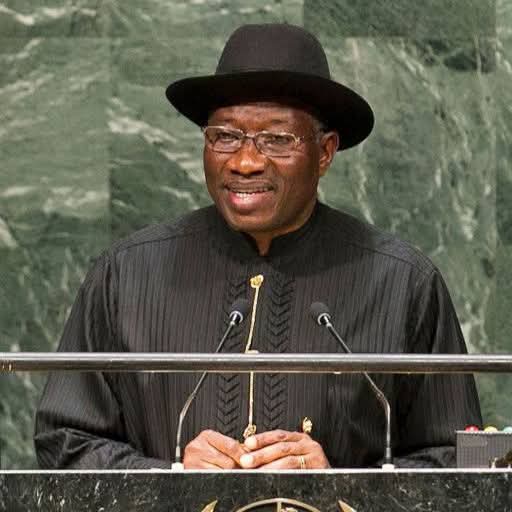

Former President Goodluck Jonathan has disclosed that a senior aide to President Umaru Musa Yar’Adua deliberately withheld a critical letter intended to constitutionally transfer executive powers, sparking a months-long leadership void in Nigeria.
Yar’Adua, seeking medical treatment abroad in late 2009, had drafted the necessary handover letter to authorize Jonathan to act as president. Yet despite being signed and in the aide’s possession, it never reached the National Assembly—triggering intense confusion and political limbo .
Jonathan explained that without the formal letter, he could fulfill some executive duties—like chairing Federal Executive Council meetings and approving ministerial memos—but remained powerless as commander-in-chief. This fragmented authority crippled presidential responsibilities and escalated national tension .
Political sources recall the period as fraught with ethnic and religious undercurrents. The consensus was that Northern Muslims, under Yar’Adua’s leadership, should complete a full eight-year term before returning power to the South. His incapacitation, the delay in power transfer, and the withheld letter were seen as destabilizing elements .
As rumors of coups and unrest circulated daily, Jonathan remarked the National Assembly had no choice but to invoke the “Doctrine of Necessity” in early 2010. This unprecedented constitutional remedy effectively recognized him as acting president—though still without Yar’Adua’s formal endorsement .
Threats to his safety heightened the crisis. Jonathan recalled advisers urging him to leave the State House, but he refused. He wanted any attempt on his life to occur in office, ensuring transparency and truth for Nigerians .
Yar’Adua’s death in May 2010 resolved the constitutional deadlock, allowing Jonathan to assume full presidential powers and secure victory in the 2011 election. Reflecting on the ordeal, he warned that democracy is fragile—especially when critical constitutional mechanisms are obstructed.