
CBN Sets N15bn Minimum Capital Requirement for Foreign Currency-Backed Stablecoin Issuers
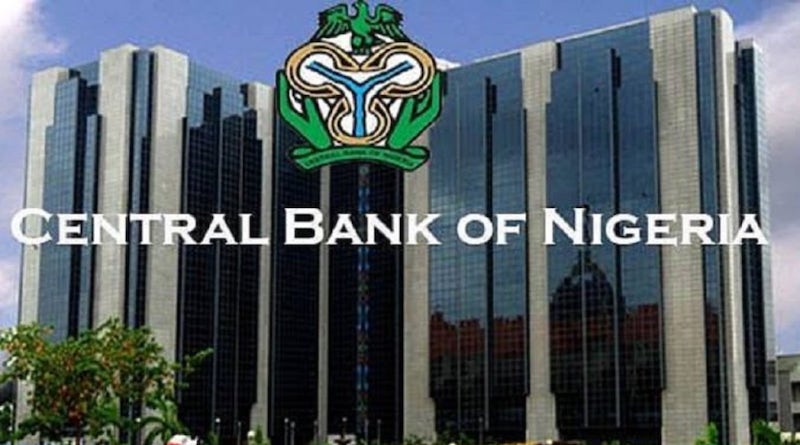
The Central Bank of Nigeria (CBN) has introduced a minimum paid-up capital requirement of N15 billion for companies seeking to issue foreign currency-backed stablecoins in Nigeria, including dollar-pegged digital currencies such as USDT and USDC.
The apex bank announced the requirement in its 169-page Regulations for the Operations of Non-Security Virtual Assets in Nigeria, issued on Thursday, November 5, 2026. The document was signed by Musa Jimoh, Director of the CBN’s Payments System Policy Department.
Under the new framework, companies intending to issue stablecoins backed by foreign currencies, particularly the US dollar, must meet the N15 billion minimum capital threshold before commencing operations in Nigeria.
The regulation establishes a risk-based framework for virtual asset operators, with the stated objectives of strengthening financial system integrity, protecting customers and supporting responsible innovation in the country’s digital payment ecosystem.
Beyond capital requirements, the framework covers licensing and authorisation of stablecoin issuers, virtual asset service providers, deposit money token operators and virtual asset payment services. It also addresses custody, transfers, remittances, clearing and settlement activities, as well as platform-facilitated peer-to-peer transactions.
The CBN outlined additional requirements covering capital adequacy, reserve backing, liquidity, redemption, corporate governance, risk management, cybersecurity and operational resilience. Operators are also expected to safeguard reserve assets and customer funds, provide relevant disclosures and establish effective complaints-handling procedures.
On financial crime prevention, regulated operators must comply with anti-money laundering, counter-terrorist financing and counter-proliferation financing obligations. These include sanctions screening, transaction monitoring, blockchain analytics and compliance with the Travel Rule, which requires relevant information about virtual asset transfers to accompany transactions between service providers.
The regulation also provides for regulatory reporting, supervisory access, information sharing, administrative sanctions and orderly wind-down arrangements for operators that can no longer continue their businesses.
The CBN stated that the rules apply to persons conducting regulated activities in or from Nigeria, targeting Nigerians or undertaking operations capable of materially affecting the country’s payment system, financial system, foreign exchange market or broader economy.
The apex bank also clarified that the new regulation does not replace the statutory responsibilities of the Securities and Exchange Commission (SEC). Virtual assets classified as securities, investment contracts or other capital-market products will remain subject to the applicable capital-market regulatory framework.
“Where an activity involves both Non-Security Virtual Assets and matters falling within another authority’s mandate, the relevant approvals shall be obtained from each competent authority,” the CBN stated.
The bank directed affected financial institutions, issuers, service providers, operators, promoters and other stakeholders to familiarise themselves with the requirements and ensure compliance with applicable licensing, prudential, operational, reporting, customer-protection and technology standards.