
Kemi Badenoch Defends Mixed-Race Children’s English Identity, Criticises Reform UK MPs
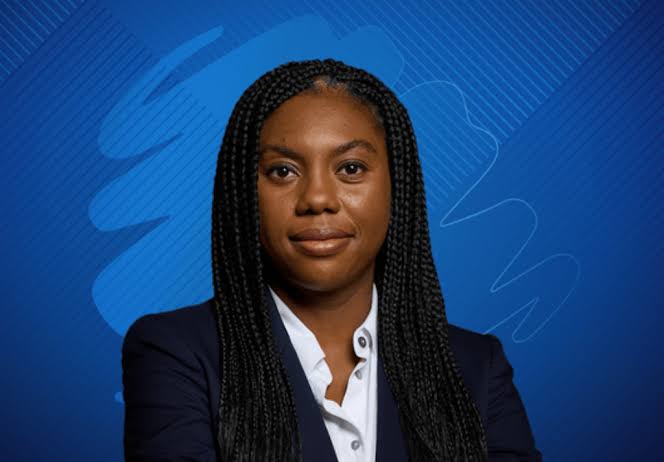
Conservative Party leader Kemi Badenoch has defended her mixed-race children’s British identity, saying she does not want to live in a country where their English identity is questioned.
Badenoch, who represents North West Essex in the UK Parliament, made the remarks on Wednesday during her speech at the 2026 Conservative Party Conference. She criticised Reform UK MPs over what she described as attempts to challenge the identity of people from minority backgrounds.
“I don’t want to live in a country run by people who threaten journalists, who call veterans traitors, and debate whether my mixed-race children are English,” she said.
Badenoch also referred to England’s national football team, saying she did not want to explain to her son that some people did not consider Black players to be English despite representing the country.
“I don’t want to explain to my son when we’re watching our brilliant England team play football that some people don’t think our black players are English,” she said.
The Conservative leader recalled former England internationals Ian Wright and John Barnes, arguing that their English identity was not questioned in the same way. She said it was troubling that sitting members of Parliament were now debating whether people like them were English.
Badenoch warned against what she described as efforts to take Britain backwards and urged the country not to accept divisions over national identity. She also sought to distinguish the Conservative Party from Reform UK, accusing the latter’s MPs of openly questioning people’s identities.
“Reform MPs are openly questioning people’s identity. They are not like us. We are not like them,” Badenoch said, adding that the Conservatives represented a different approach.
Her comments placed questions of national identity, race and belonging at the centre of her conference address, as she challenged Reform UK’s position on who should be regarded as English and criticised what she described as divisive rhetoric.