
UK Politics in Turmoil as Andy Burnham Enters Parliament, Starmer’s Future in Doubt Amid Leadership Pressure
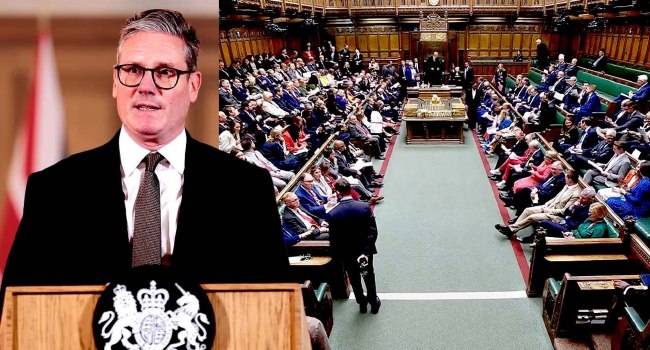
British politics has been thrown into fresh uncertainty after veteran Labour figure Andy Burnham prepared to take his seat in the House of Commons, just days after winning a closely watched by-election that has intensified pressure on Prime Minister Keir Starmer.
Burnham’s entry into Parliament is already fuelling speculation within political circles that a leadership challenge inside the ruling Labour Party may be imminent, especially as party rules require its leader to hold a seat in the House of Commons.
The development has added pressure on Starmer, who is now facing growing internal dissent and media reports suggesting his position as Prime Minister may be under serious threat following months of political turbulence.
Reports in several UK newspapers claim Starmer could announce his resignation as early as Monday, with some outlets suggesting he may step aside after what they describe as mounting pressure from Labour MPs seeking a change in leadership.
The speculation has been amplified by political commentary and international attention, including comments from US President Donald Trump, who publicly predicted that Starmer would leave office soon, citing dissatisfaction with his leadership on immigration and energy policy.
Burnham, the Mayor of Greater Manchester since 2017, is widely seen as a potential challenger for Labour leadership. Following his by-election victory in northwest Makerfield, he warned the party it faced a “final chance to change,” signalling a possible bid for national leadership.
If he succeeds in securing Labour leadership, Burnham could, in effect, become Prime Minister due to the party’s strong parliamentary majority, potentially reshaping the UK political landscape without a general election.
Inside Downing Street, Starmer is reportedly under intense pressure, with sources suggesting he spent the weekend at Chequers, the Prime Minister’s country residence, holding discussions with close allies while weighing his political future.
Senior government figures are said to be divided, with some ministers reportedly encouraging him to step down while others urge caution. Business Secretary Peter Kyle described the Prime Minister as “reflecting on the political realities and challenges” he currently faces.
Media reports further claim that Starmer and his team have even begun preparing for a possible resignation speech, although no official confirmation has been made regarding any timeline for departure.
The political crisis has been deepened by wider dissatisfaction within the Labour Party, with reports indicating that more than 100 MPs have privately called for a leadership change following poor local election performances and declining public approval ratings.
Starmer, who came into office in July 2024, has faced sustained criticism over policy reversals, internal disputes, and ministerial resignations, all of which have contributed to a growing sense of instability within his government.
Burnham’s political rise has also been shaped by recent electoral developments, including Labour’s struggles in regional elections, which opened the pathway for his by-election victory and renewed national prominence.
Although Burnham has not publicly detailed a full policy programme, UK media reports suggest he could consider major changes to cabinet positions if he assumes leadership, including possible shifts in the Treasury and Home Office portfolios.
For now, Britain’s political future remains uncertain, with mounting speculation over whether Starmer will remain in office or become the latest in a series of Prime Ministers to exit Downing Street in quick succession.